Craft cutters for home studios and small jobs
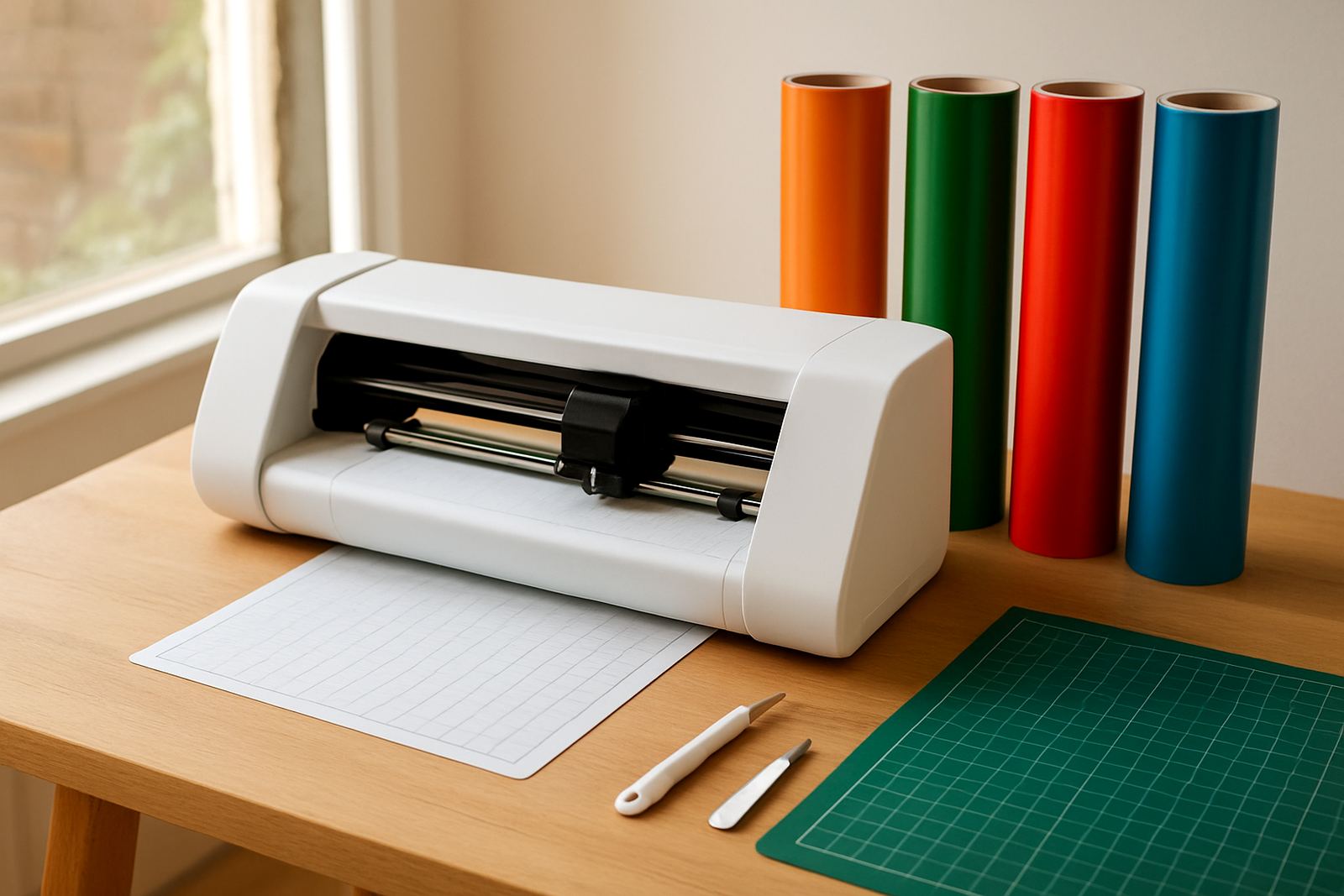
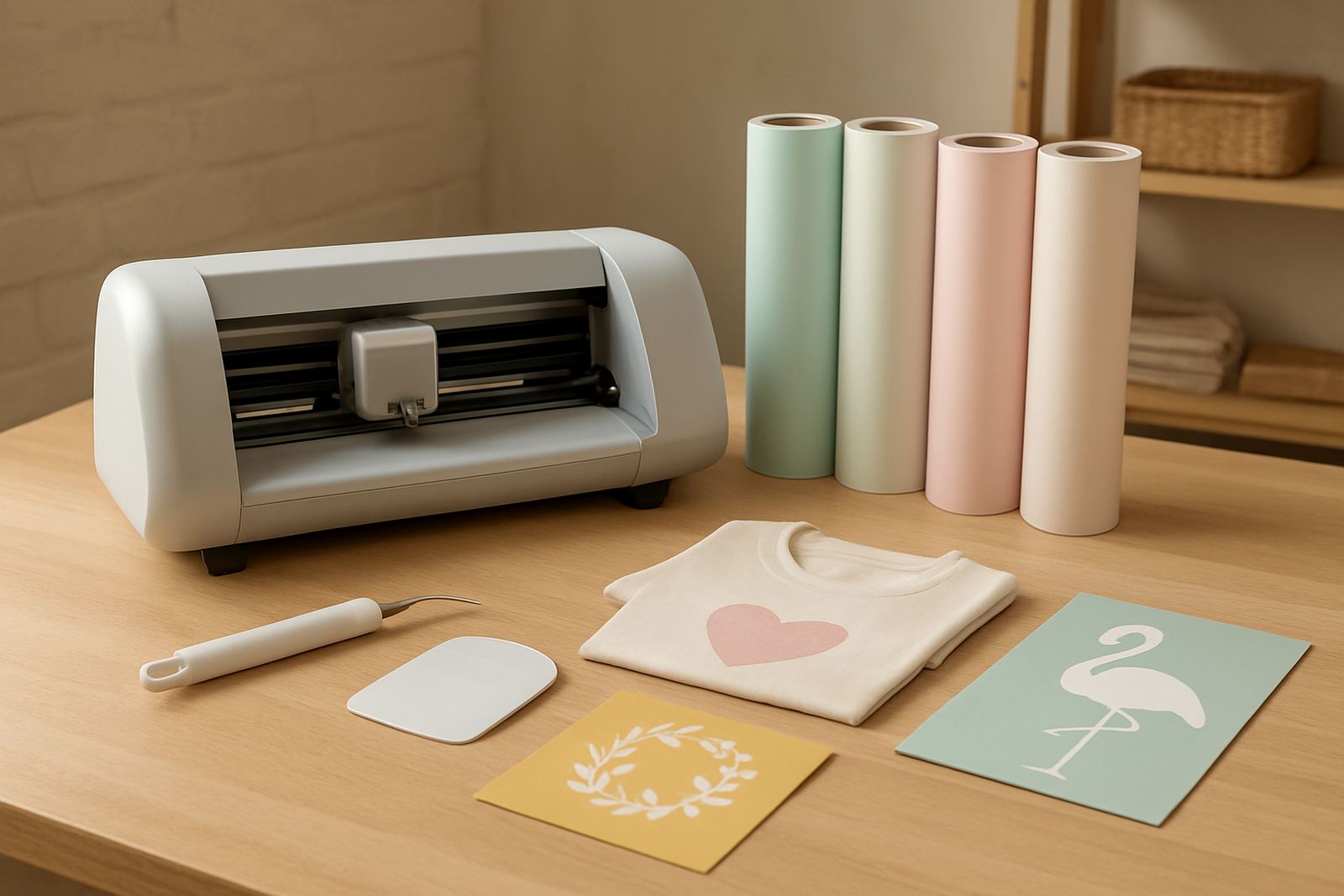
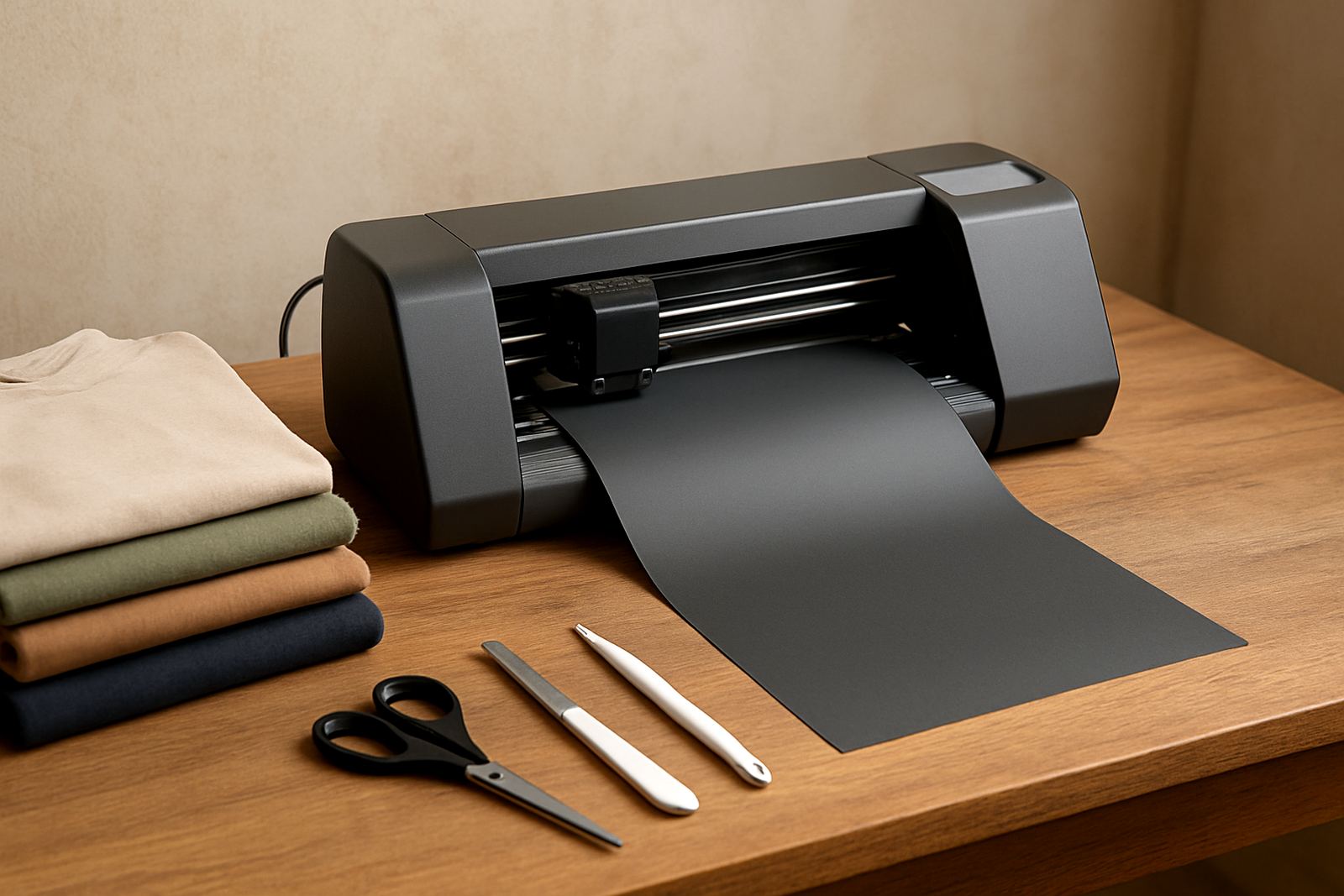
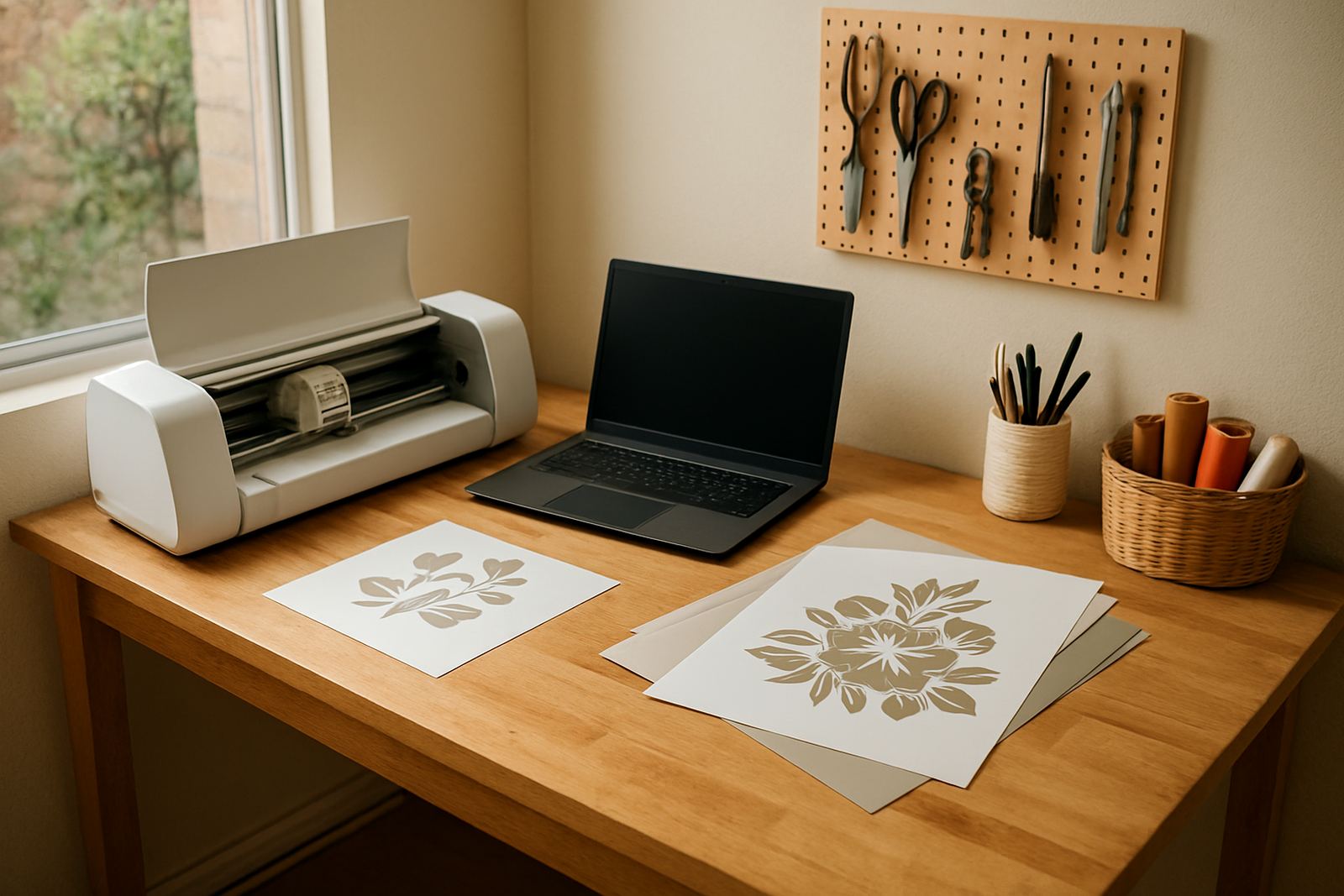
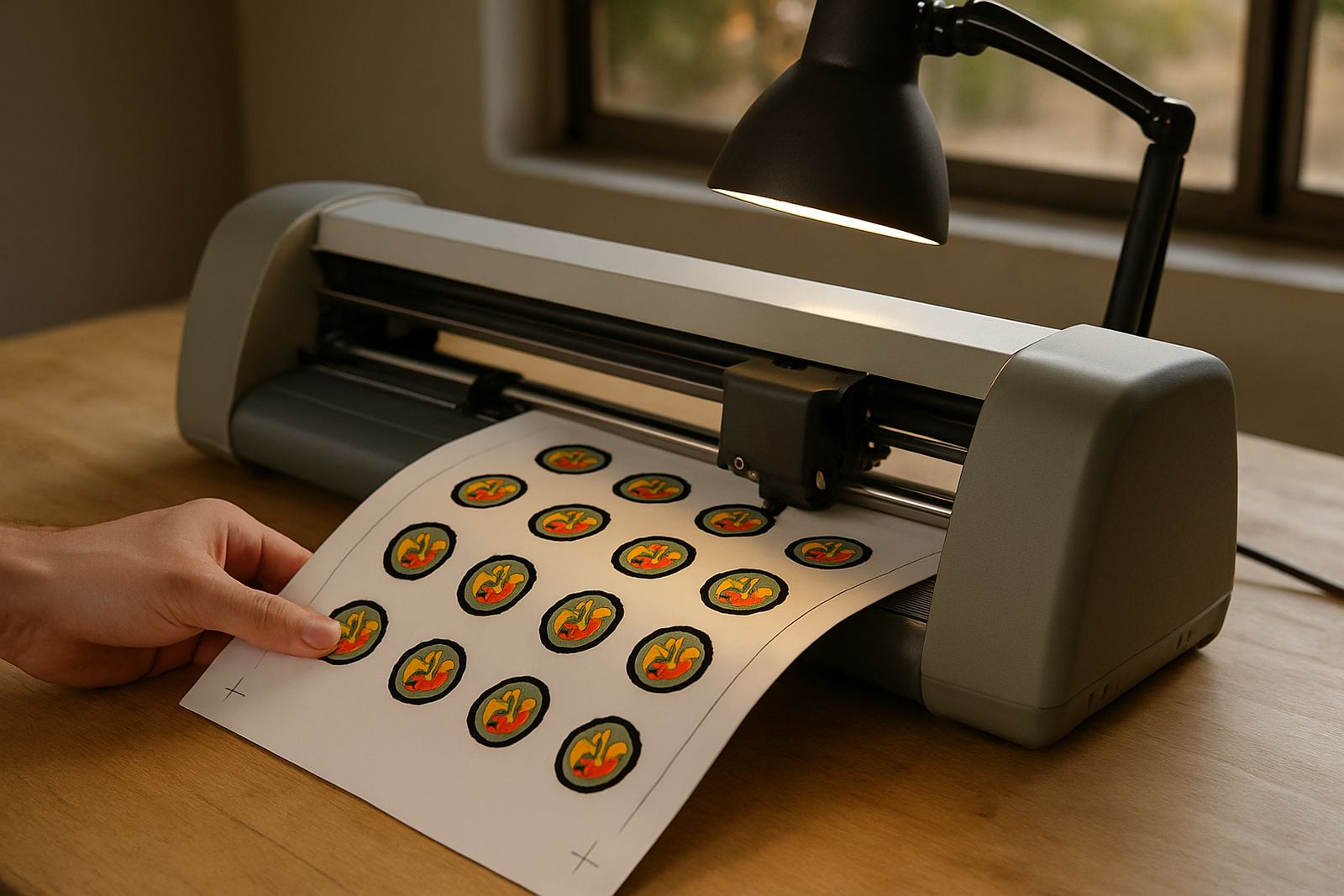
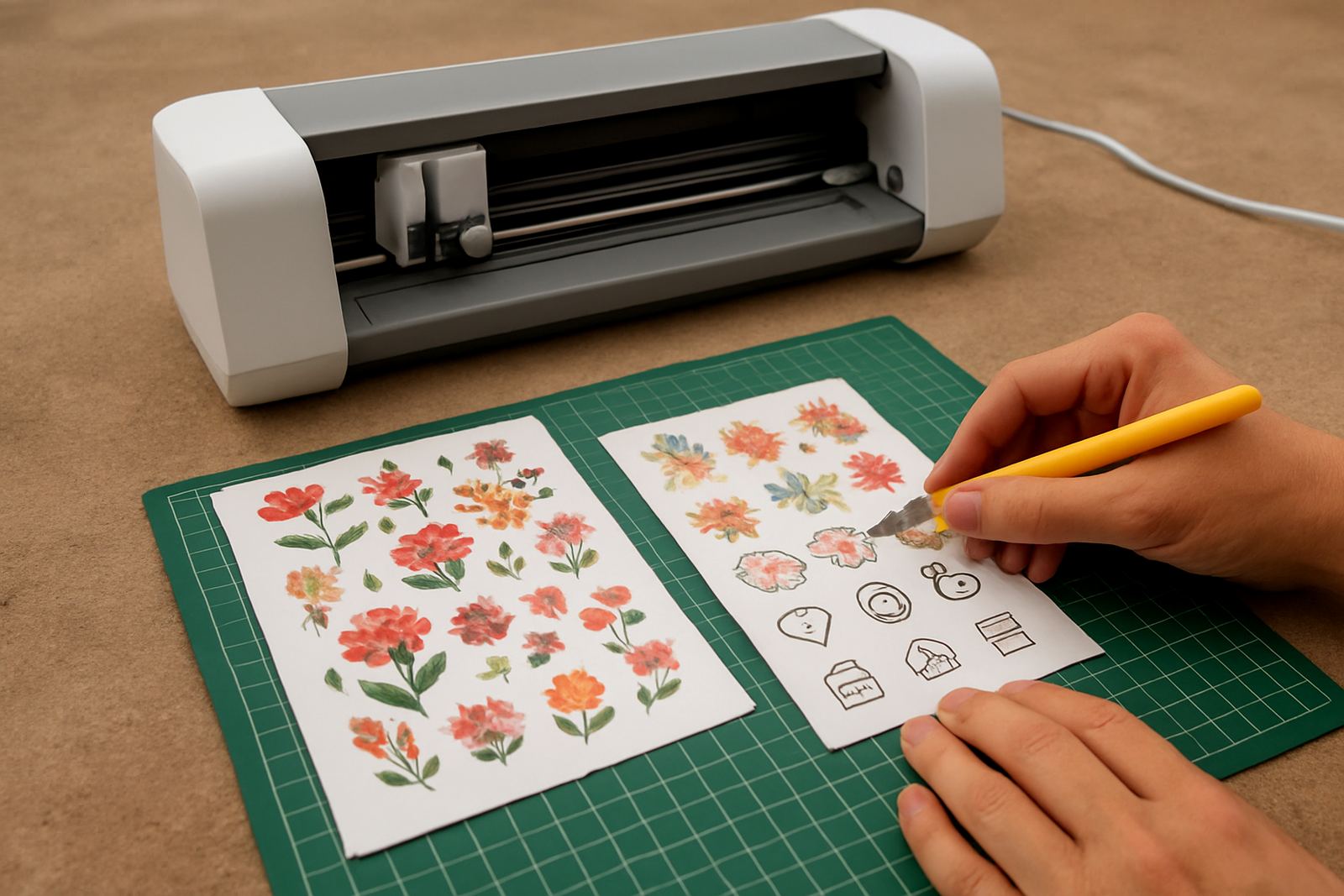
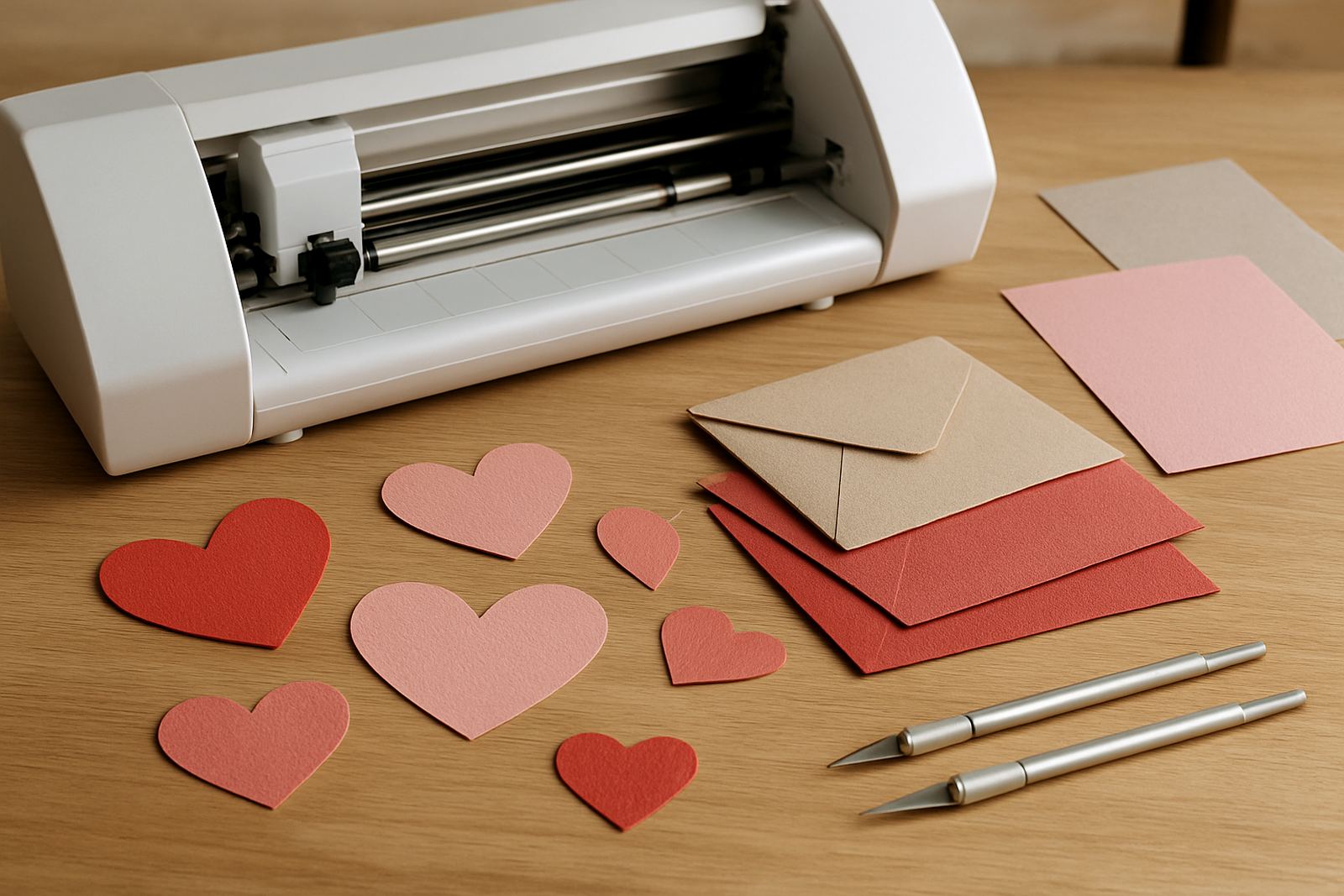
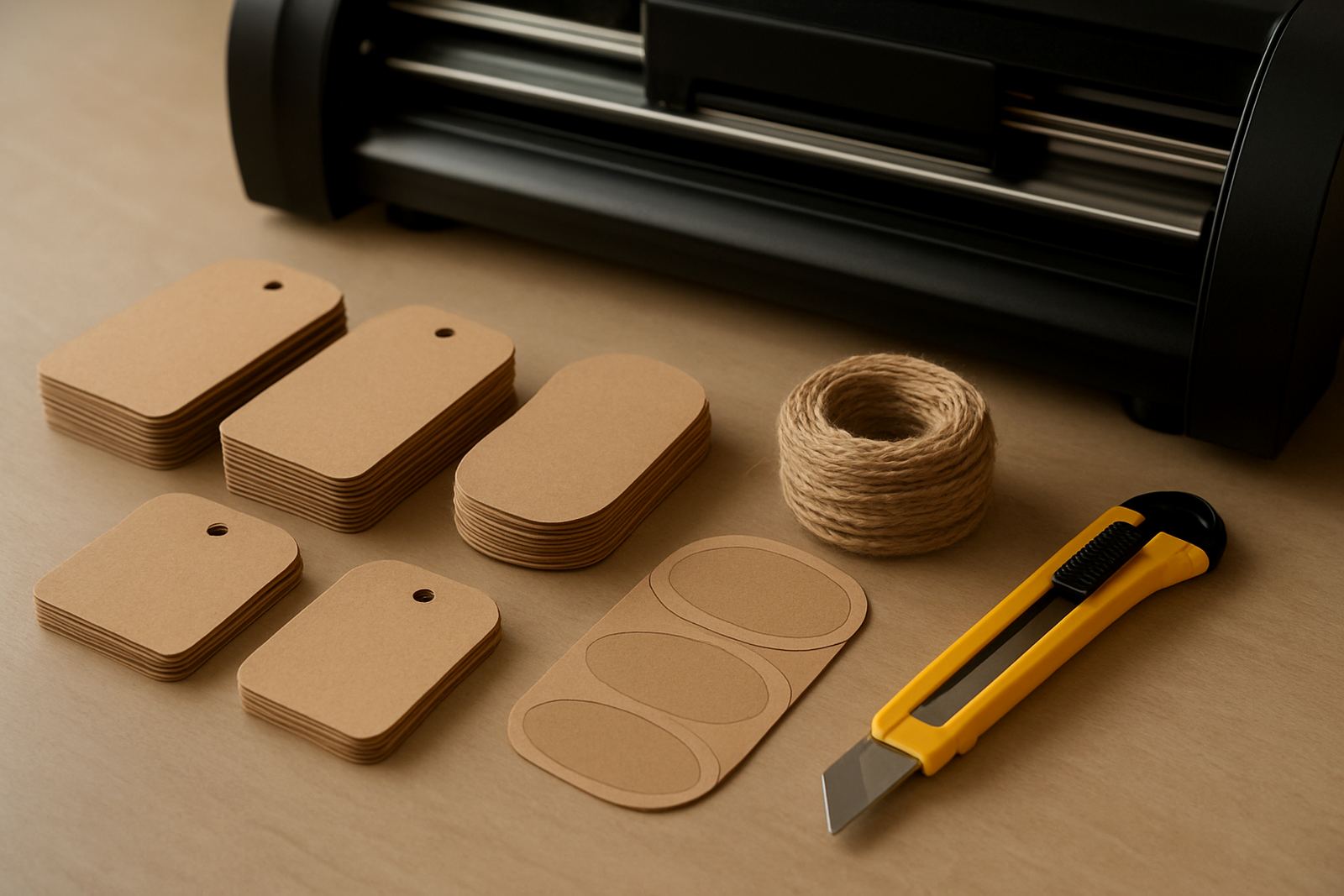
Our craft cutter range is suited to vinyl, HTV, labels, wall lettering and light production work. If you are starting out, a smaller unit can handle t-shirt names, decals and simple décor without taking up much room. For a growing side-hustle, look for steadier feed, tighter blade control and settings that make repeat jobs easier.
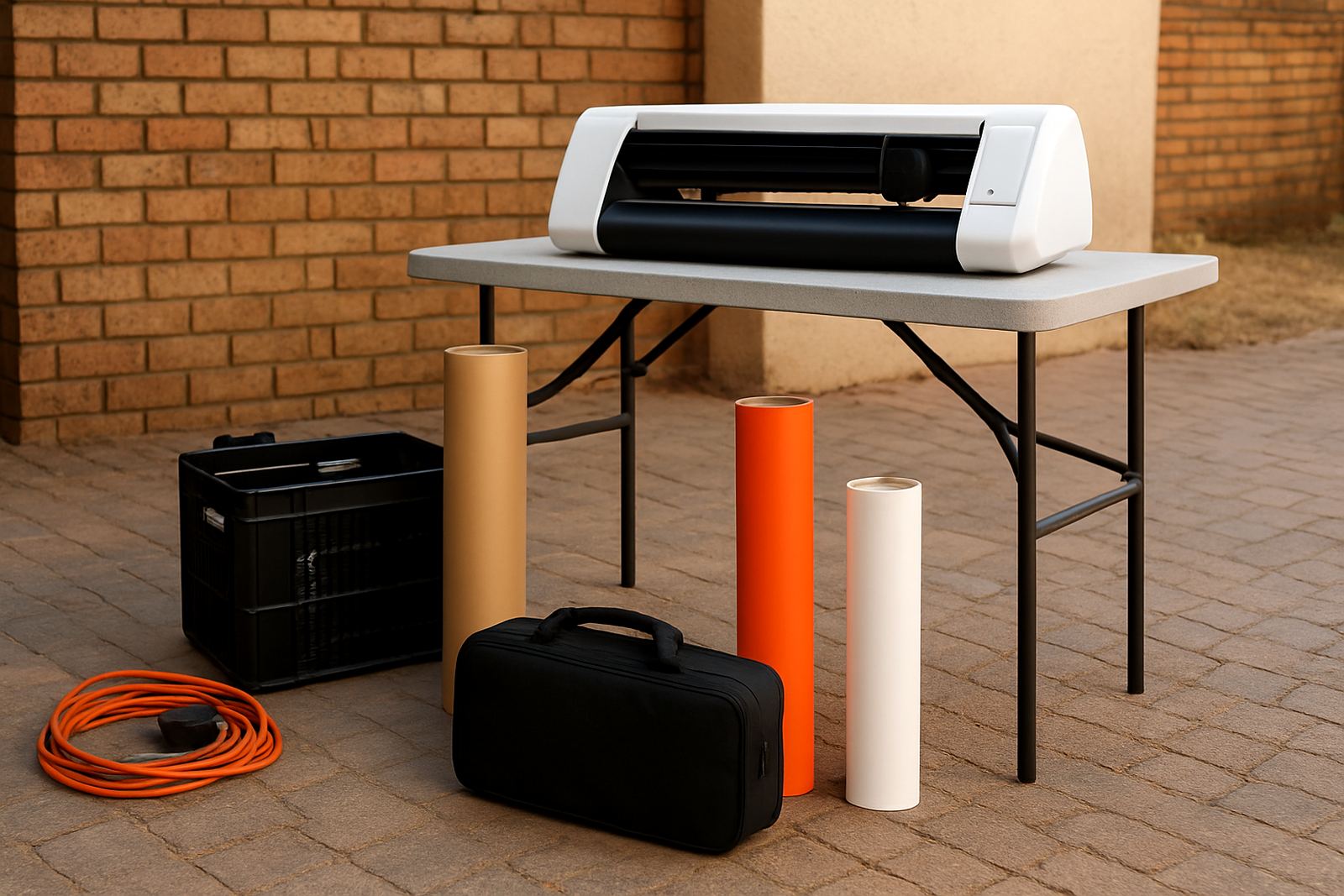
Based in Kya Sand, Johannesburg, we support customers in Randburg, Sandton, Midrand, Roodepoort and Pretoria East, as well as nationwide deliveries. Many clients work from a spare room, garage or compact workshop, so space, noise and power use matter. During load-shedding, a machine that restarts cleanly and keeps its calibration saves a lot of time.
How to choose the right machine size
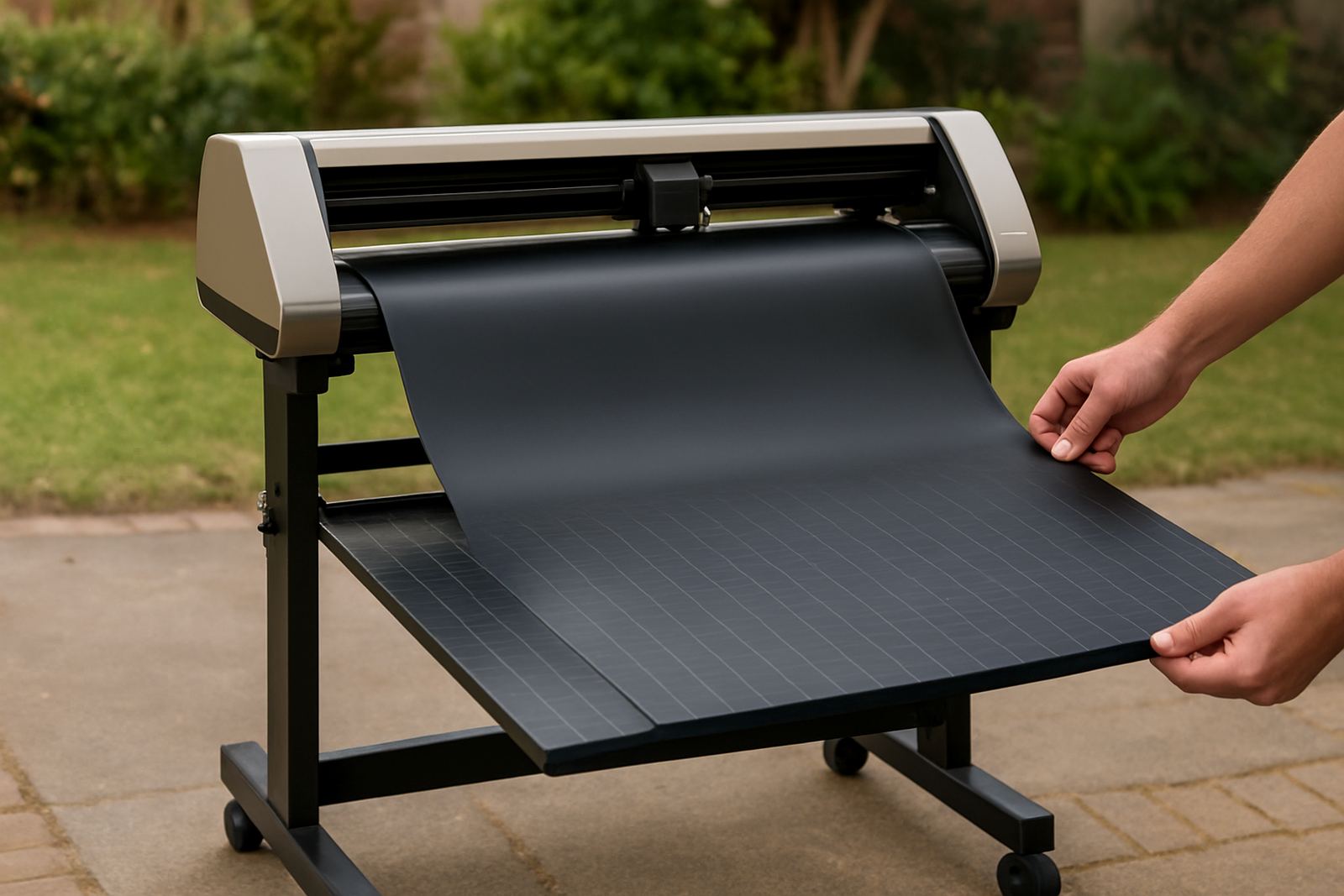
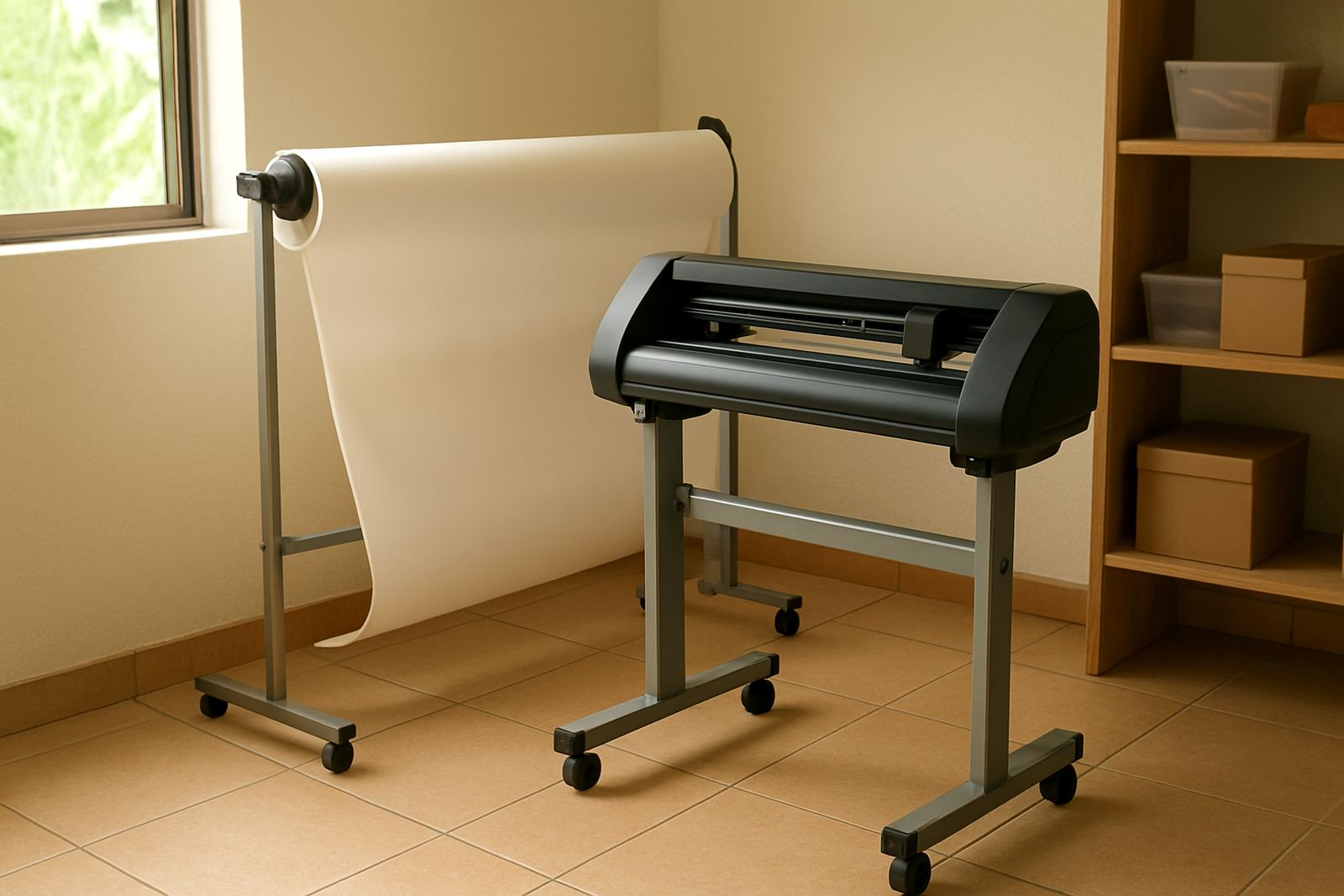
The best choice depends on the widest material you plan to cut, how often you work and the type of finish you need. A hobby user may only need enough width for small decals, while someone making apparel orders may prefer a wider cutting area for names, numbers and repeated designs. If you work with longer rolls, make sure the stand, rollers and tracking are suitable.
- Check the usable cutting width, not only the outside size of the unit.
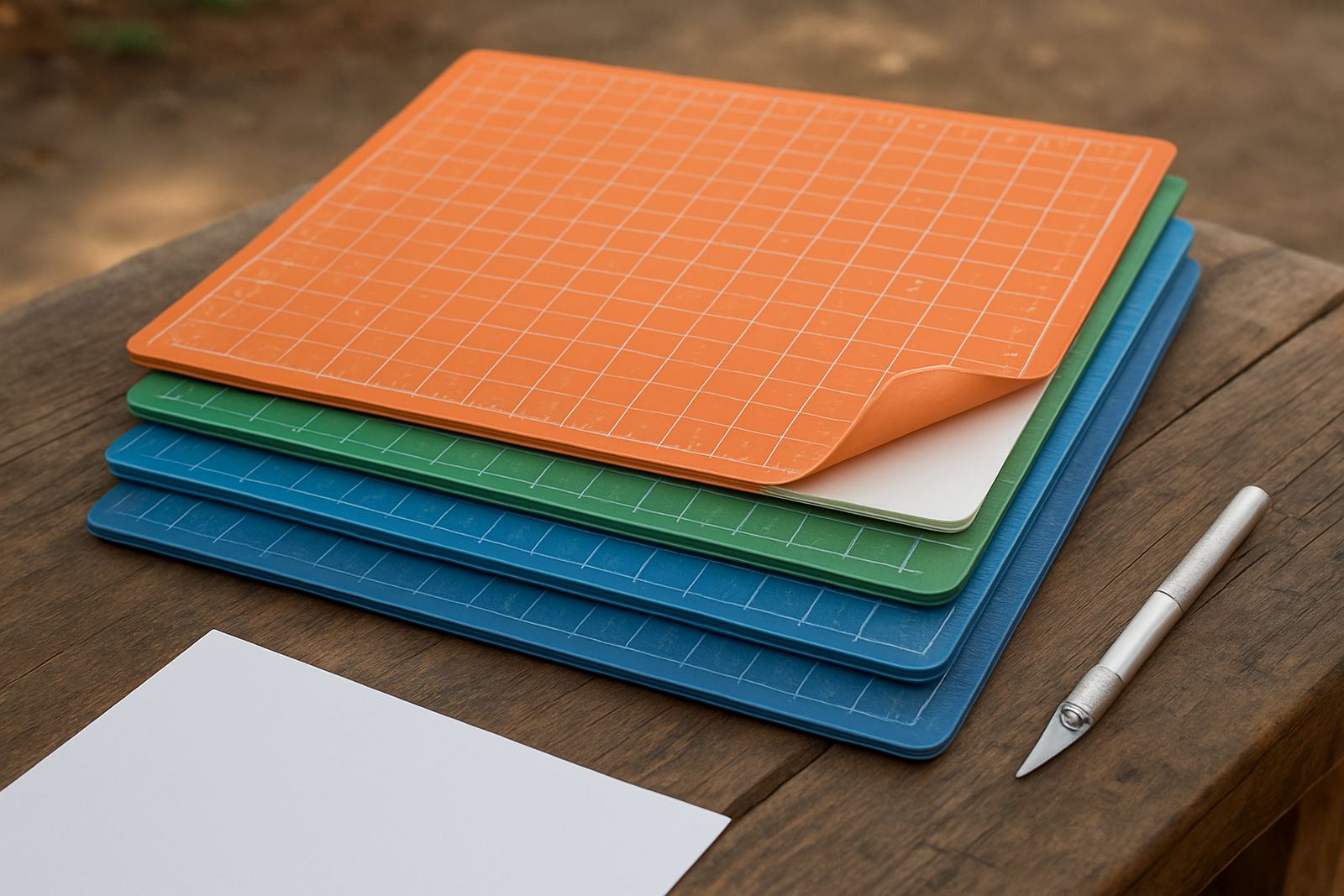
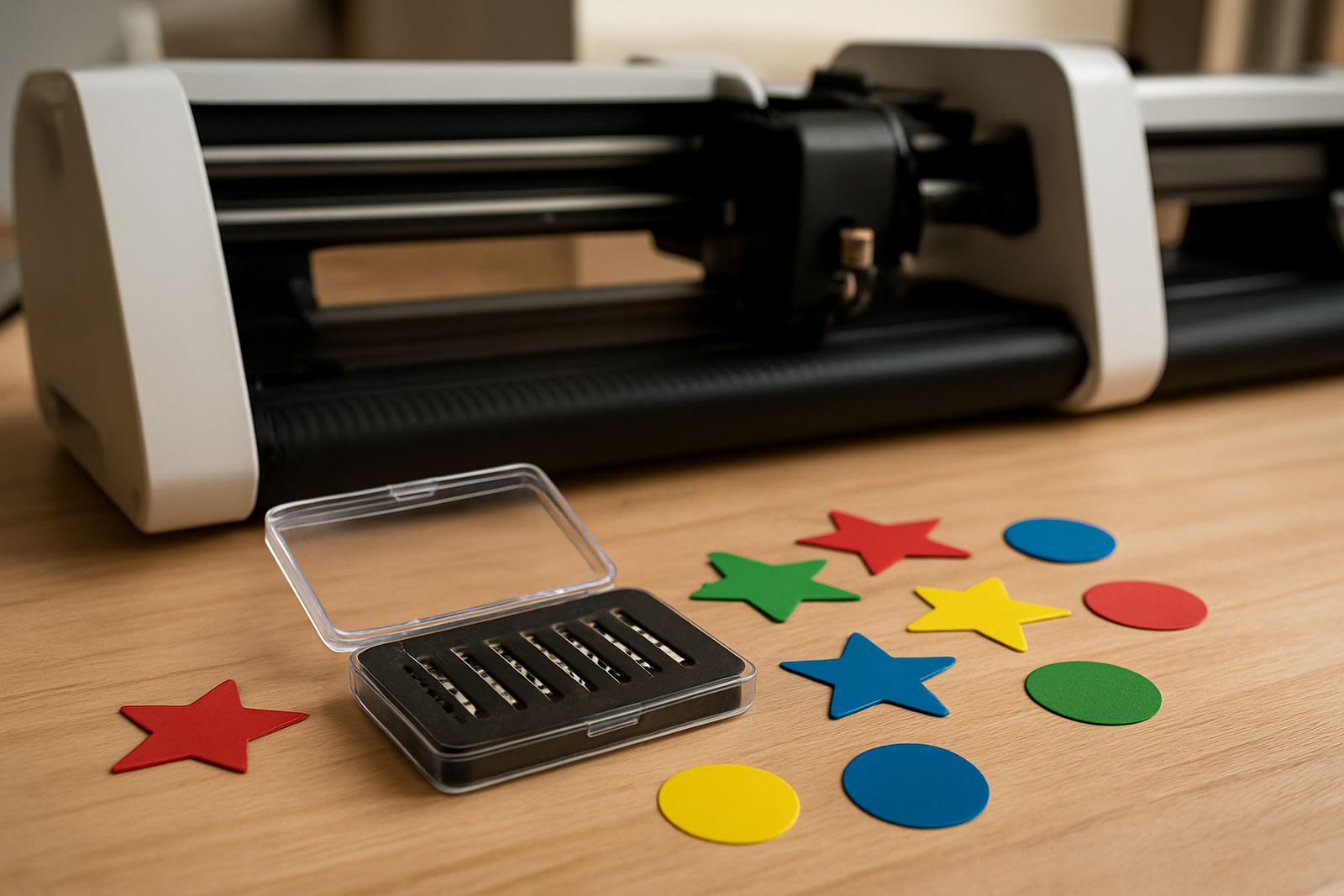
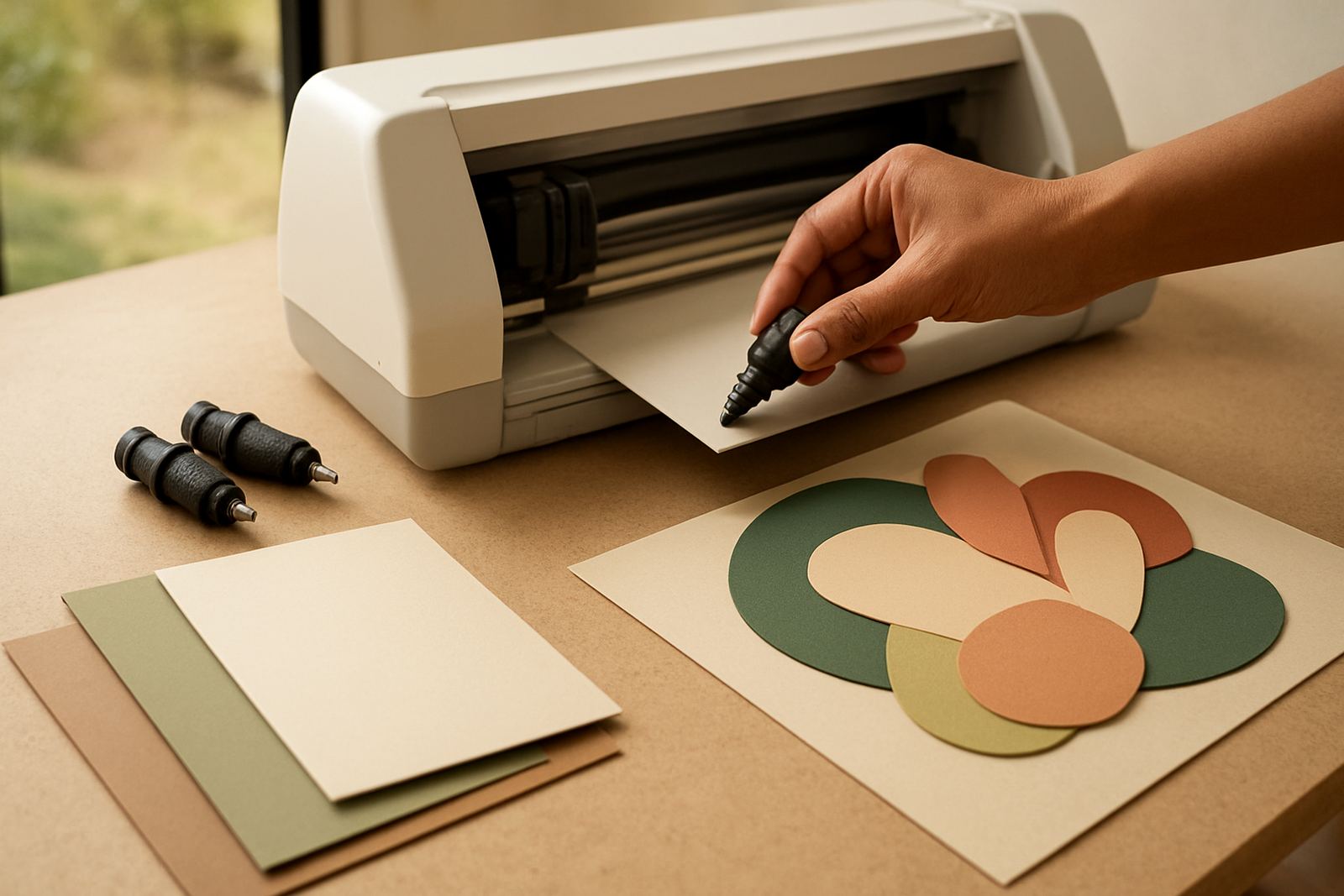
- Confirm what blades, holders and mats are supplied.
- Ask whether the software connection suits your computer setup.
- Think about where the machine will sit, especially if space is limited.
Materials that work well with craft cutters
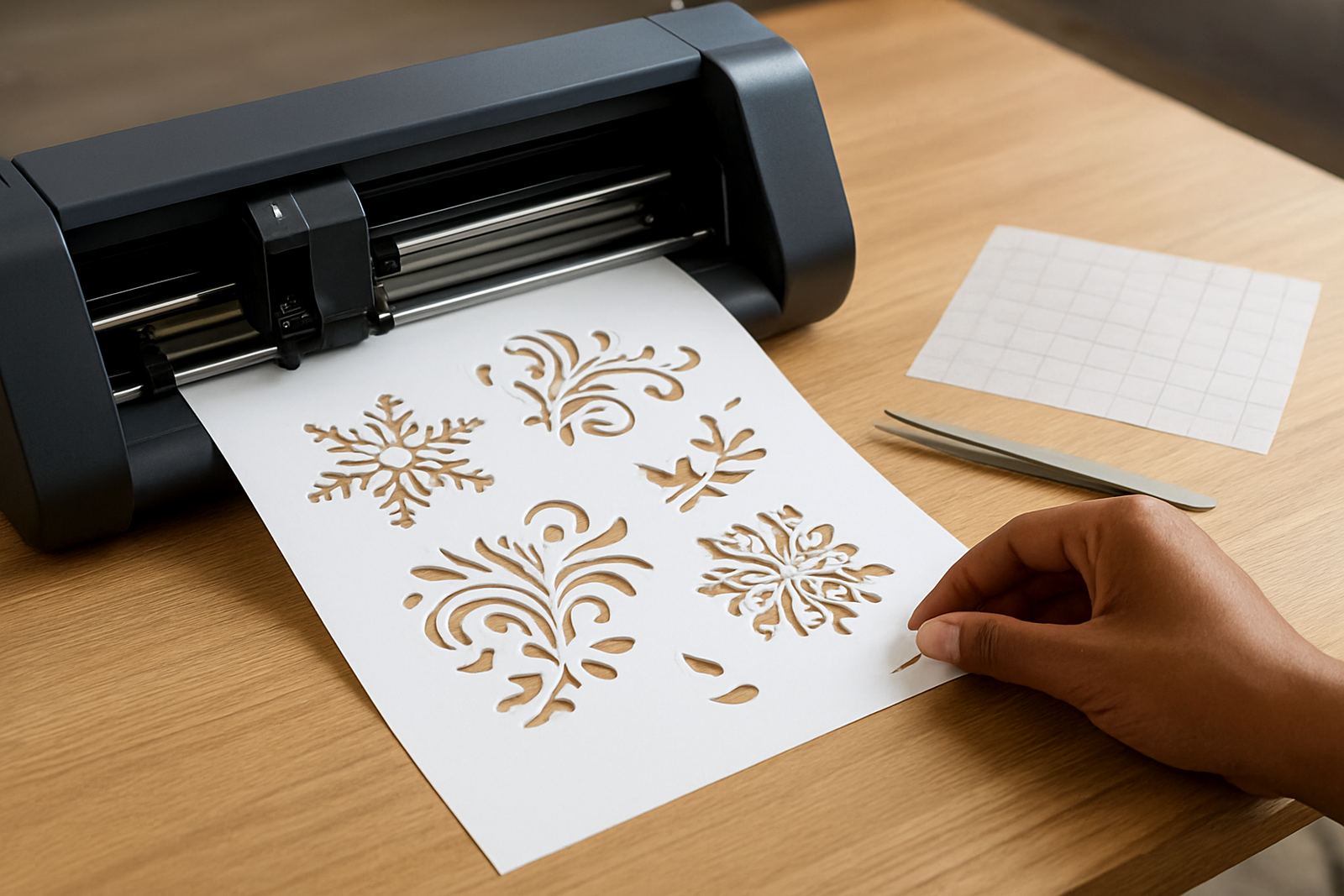
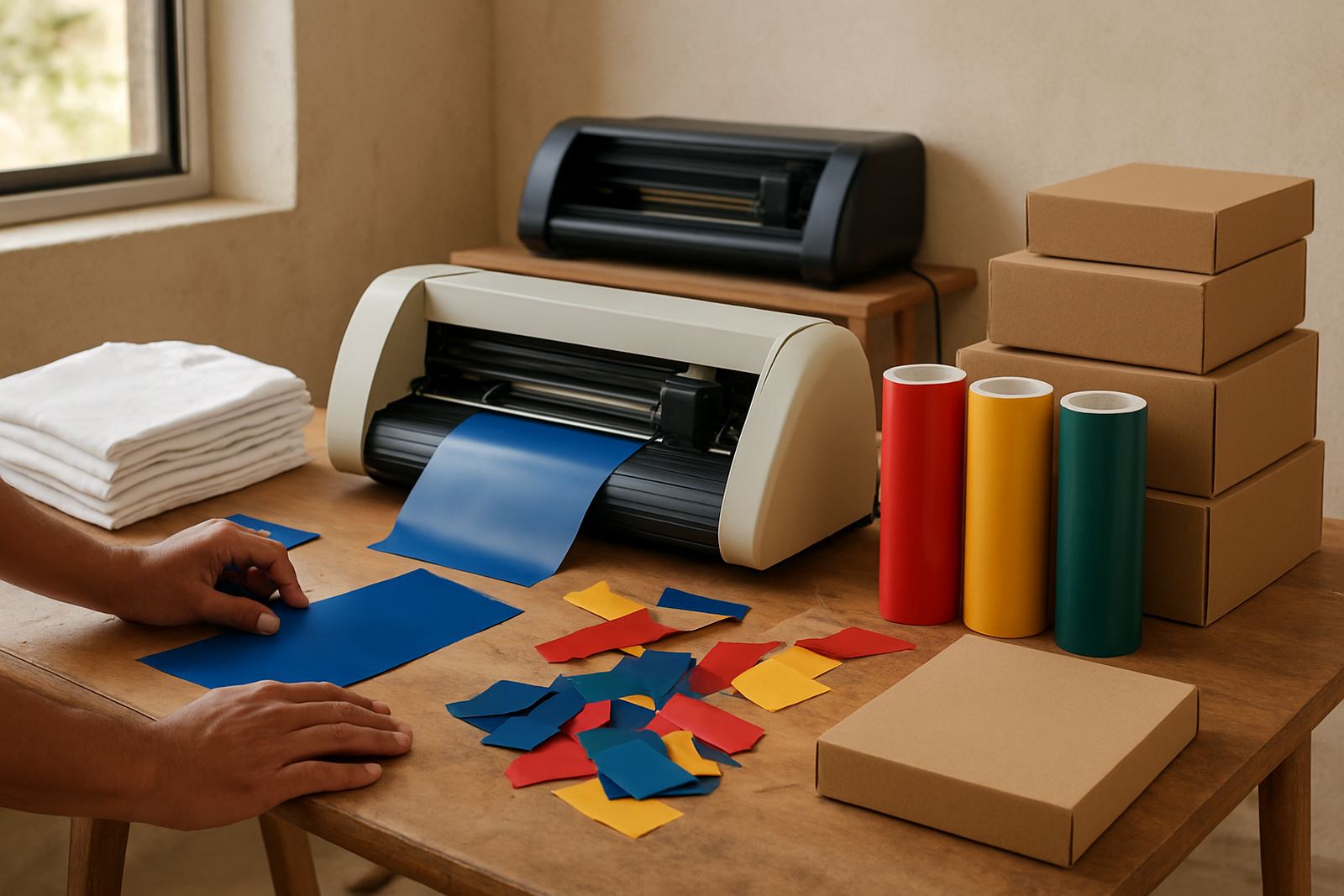
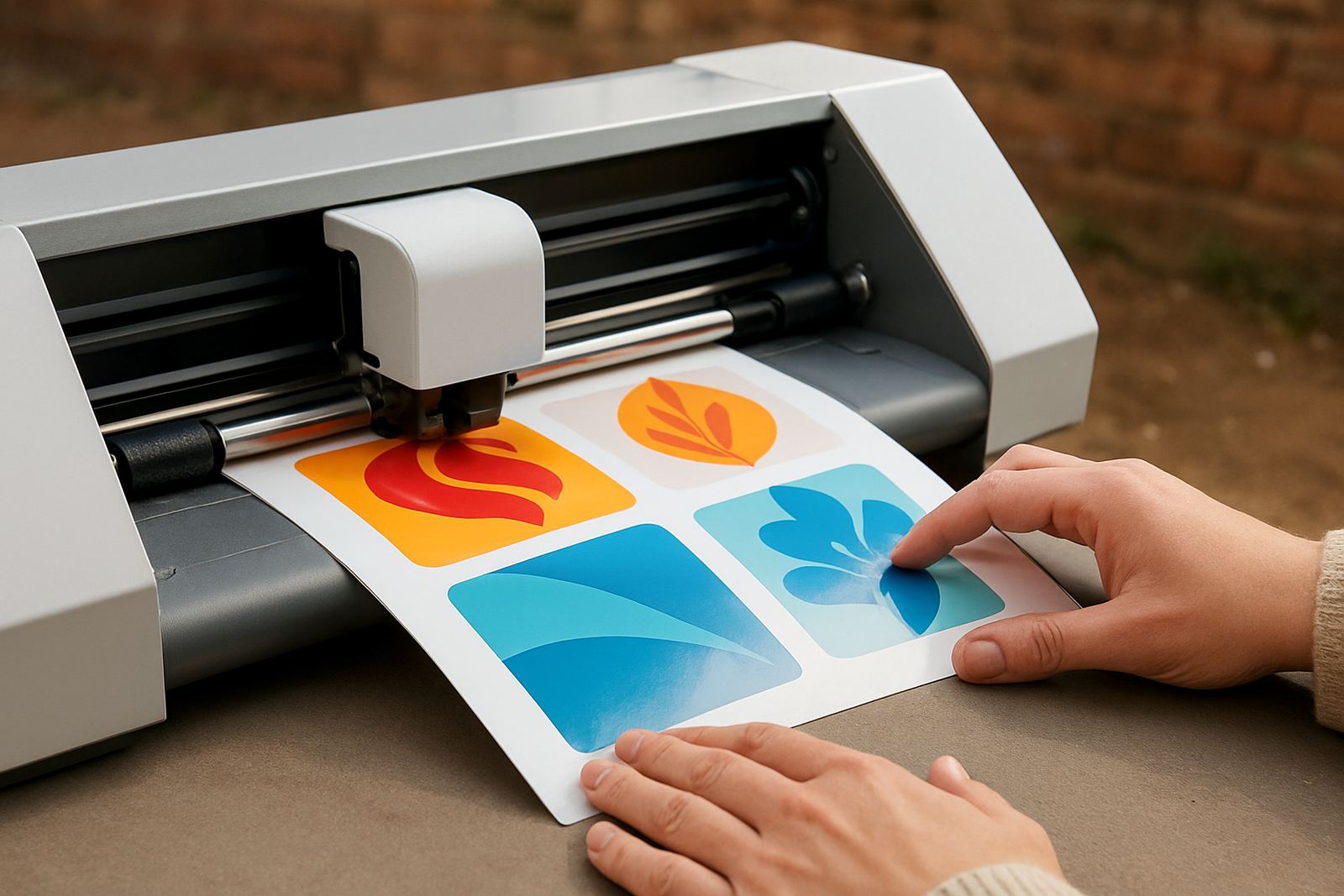
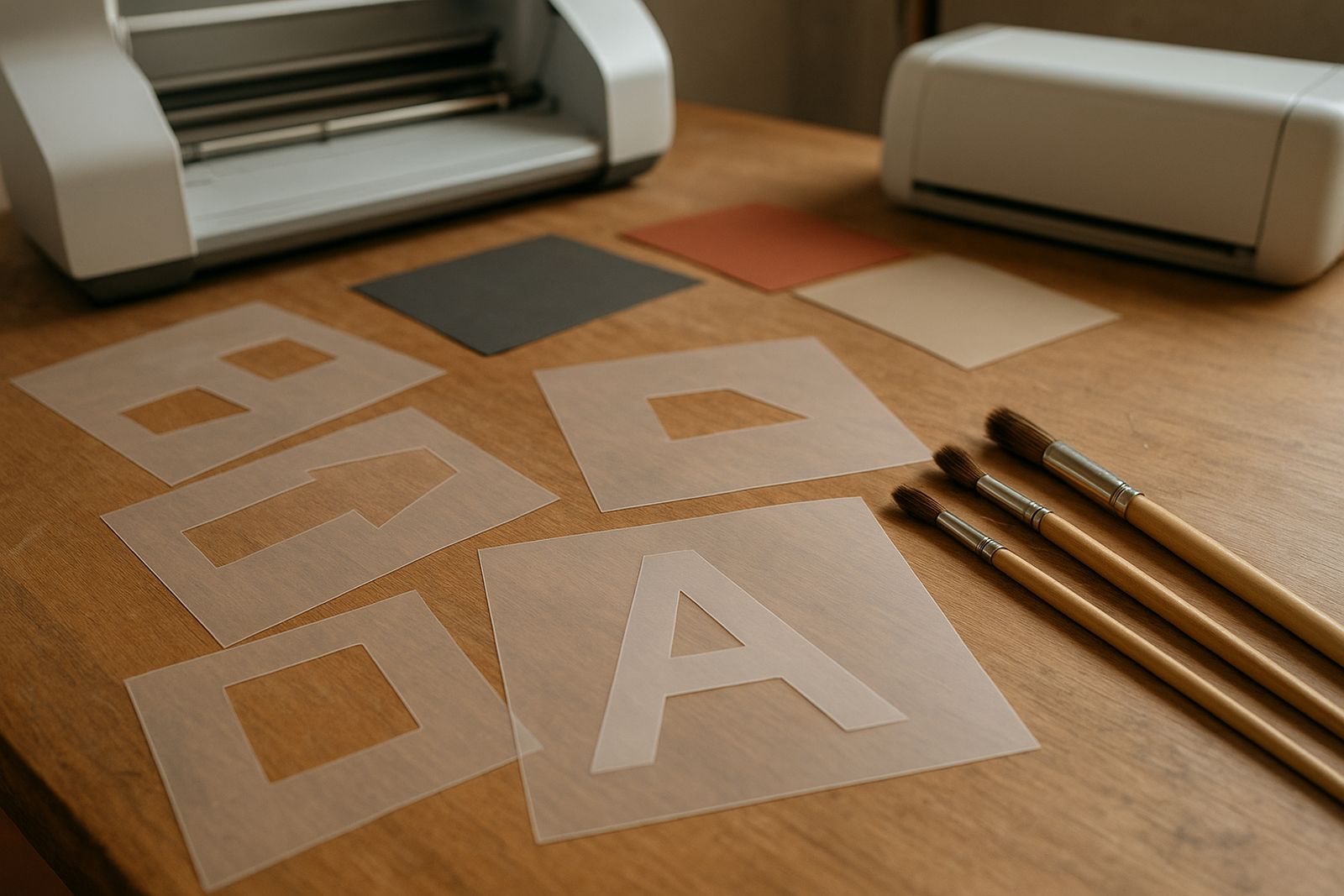
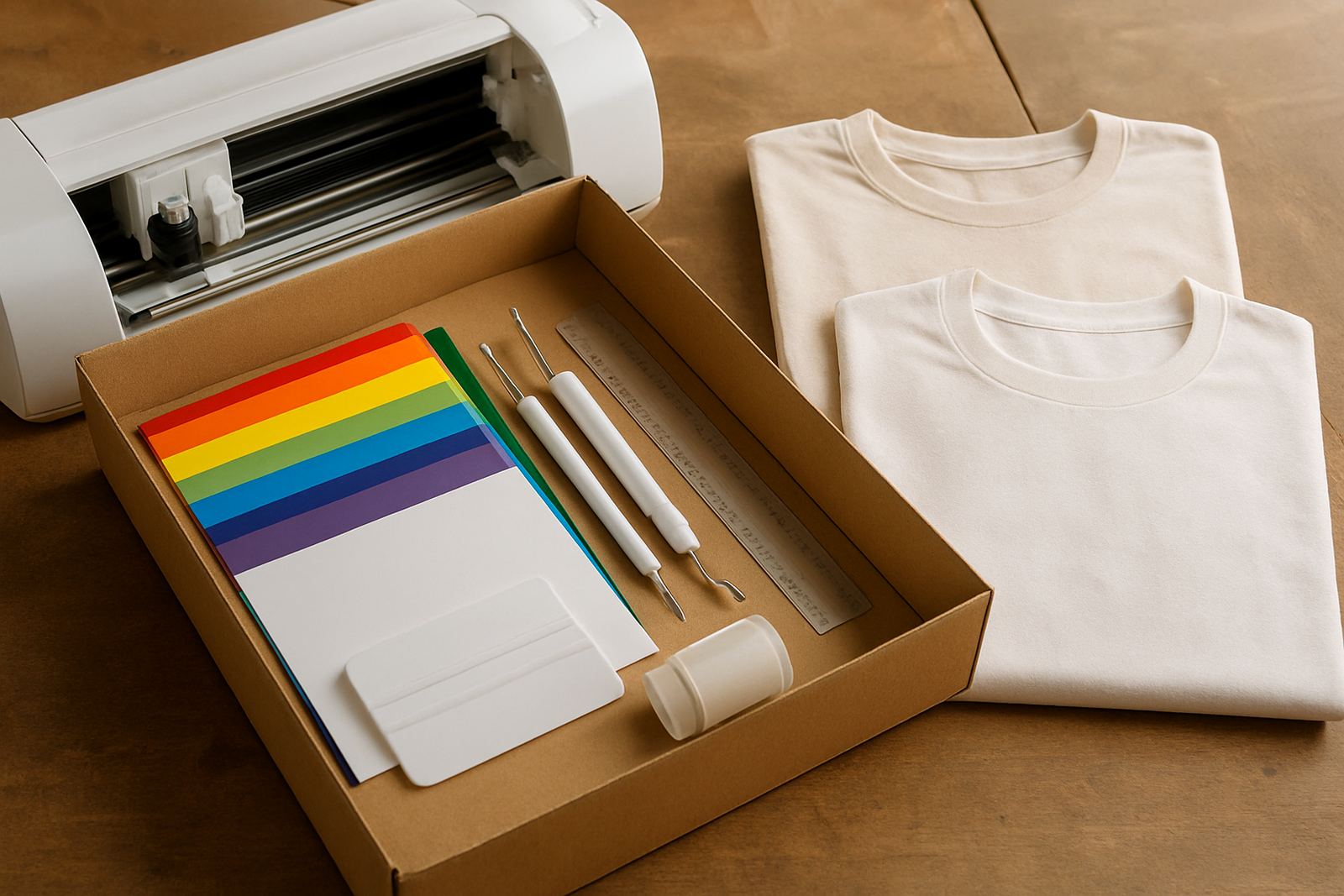
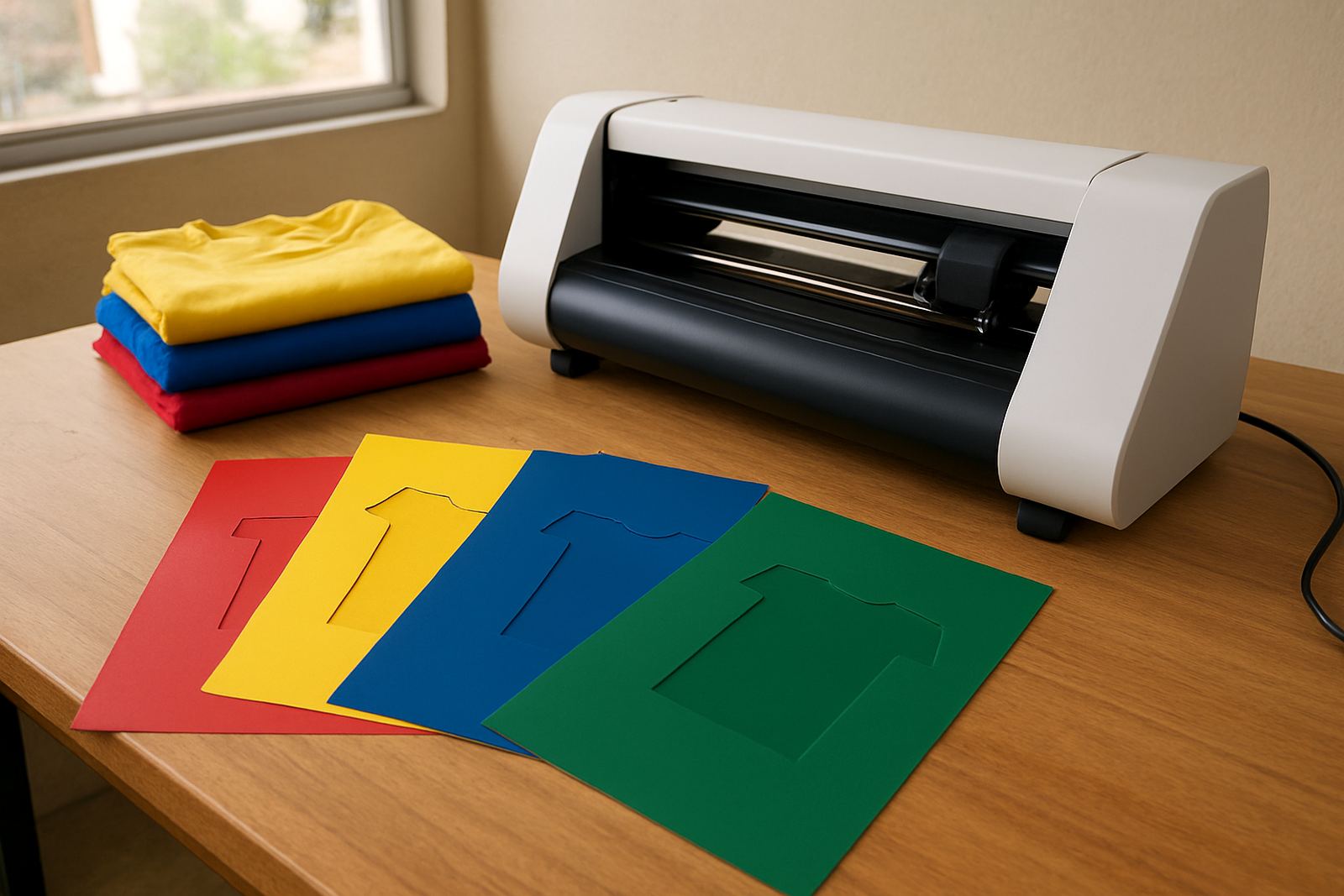
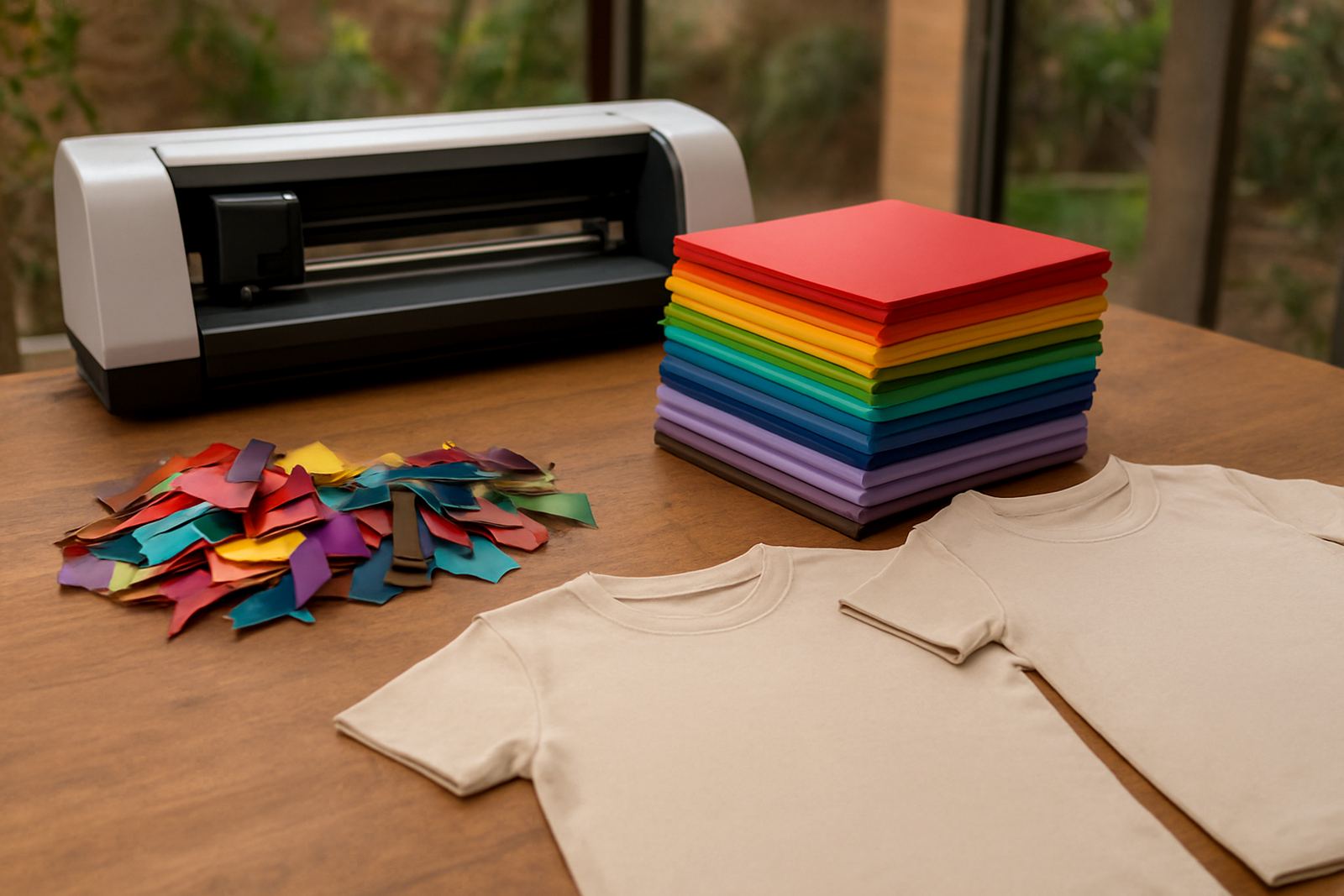
Craft cutters are commonly used with standard vinyl, heat transfer vinyl, stencil film and light adhesive materials. For clothing, HTV needs clean blade depth and good weeding so small letters do not lift. For signs or décor, material finish matters too, since matte and gloss sheets behave differently during cutting and application.
In Johannesburg and Pretoria, dust can collect on rollers and tracks faster than many people expect, and coastal humidity on orders sent to Durban, Gqeberha or Cape Town can affect storage. Keep sheets flat, sealed and away from direct sun. A small bit of care goes a long way when you want neat edges and fewer failed cuts.
Useful extras that make daily work easier
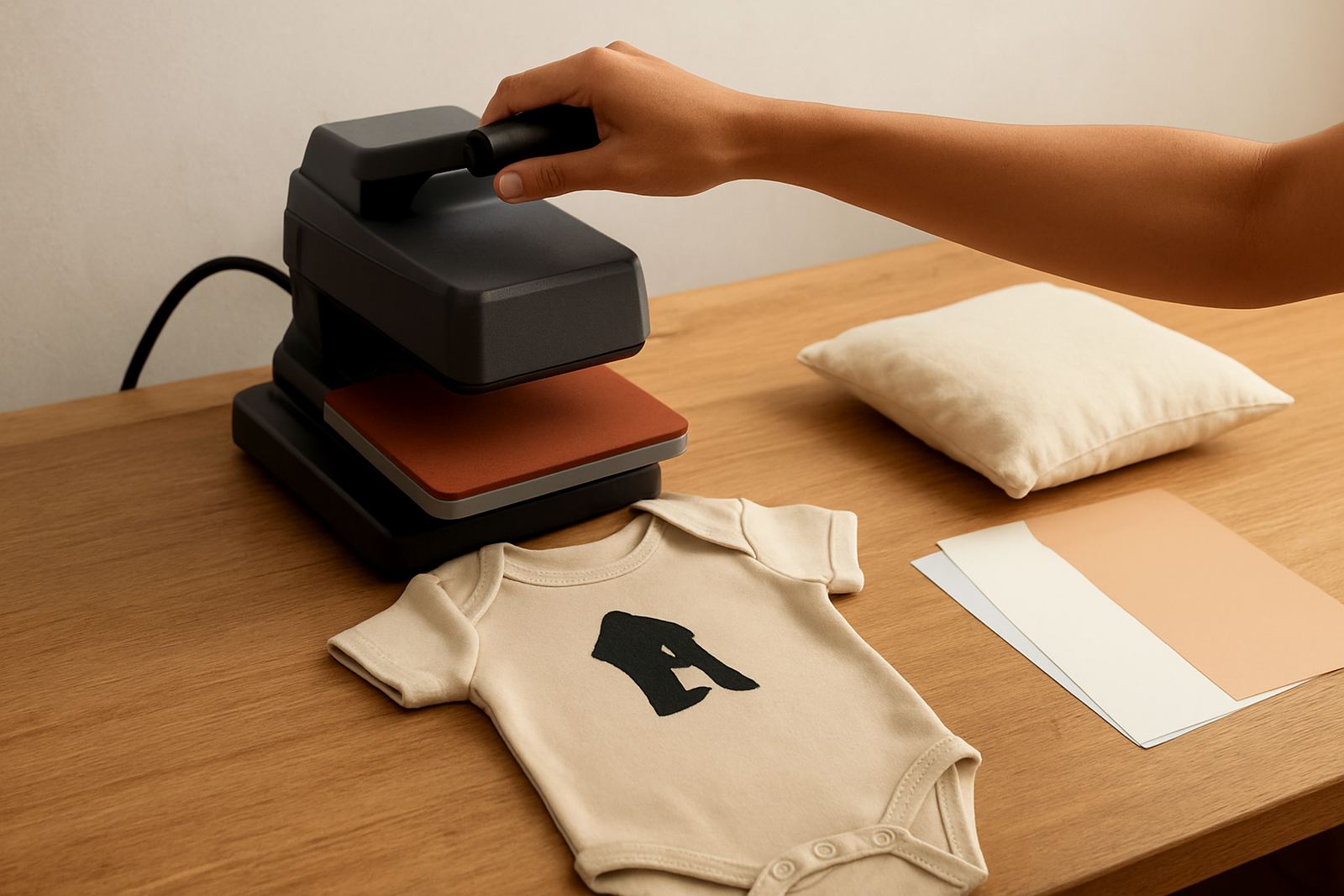
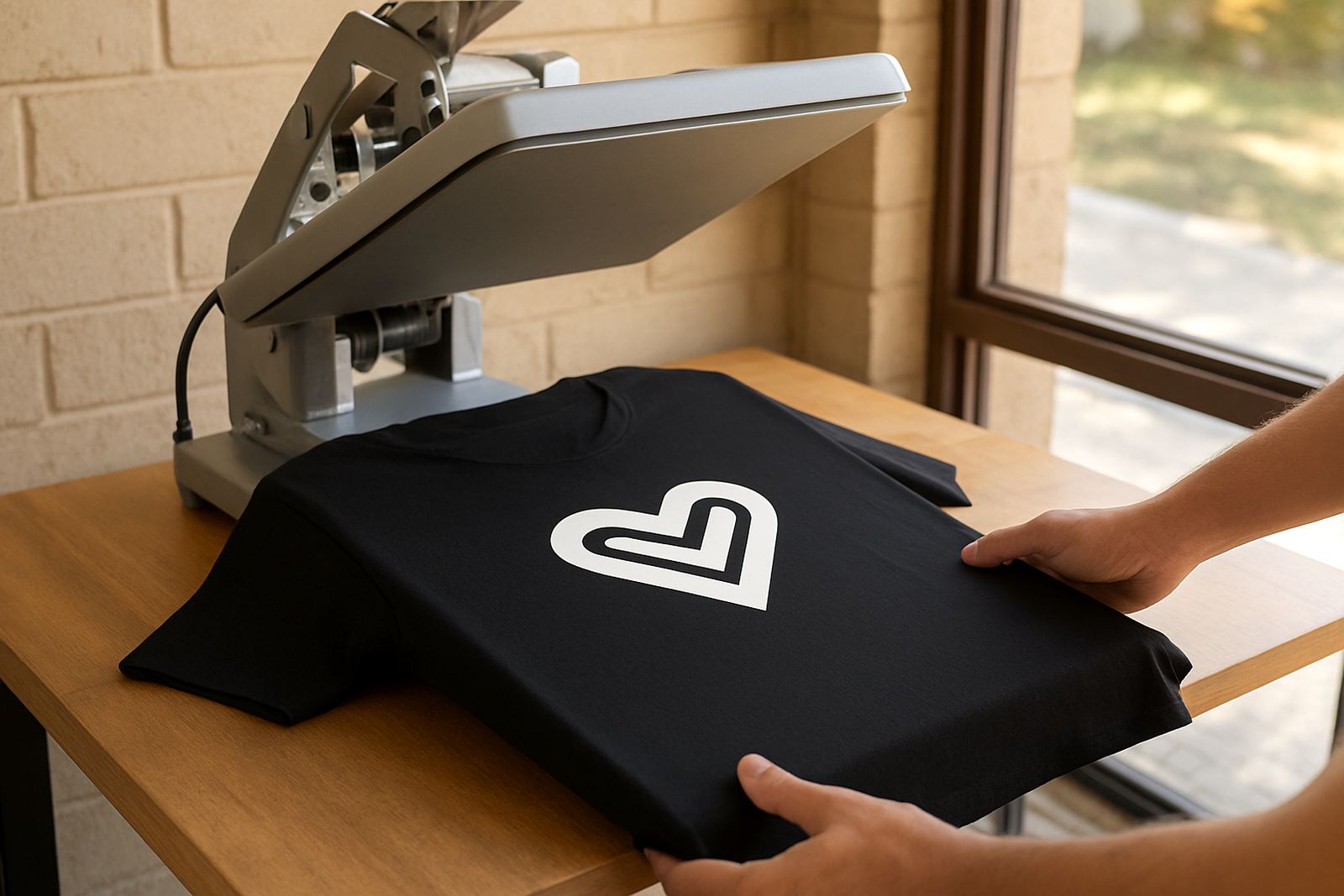
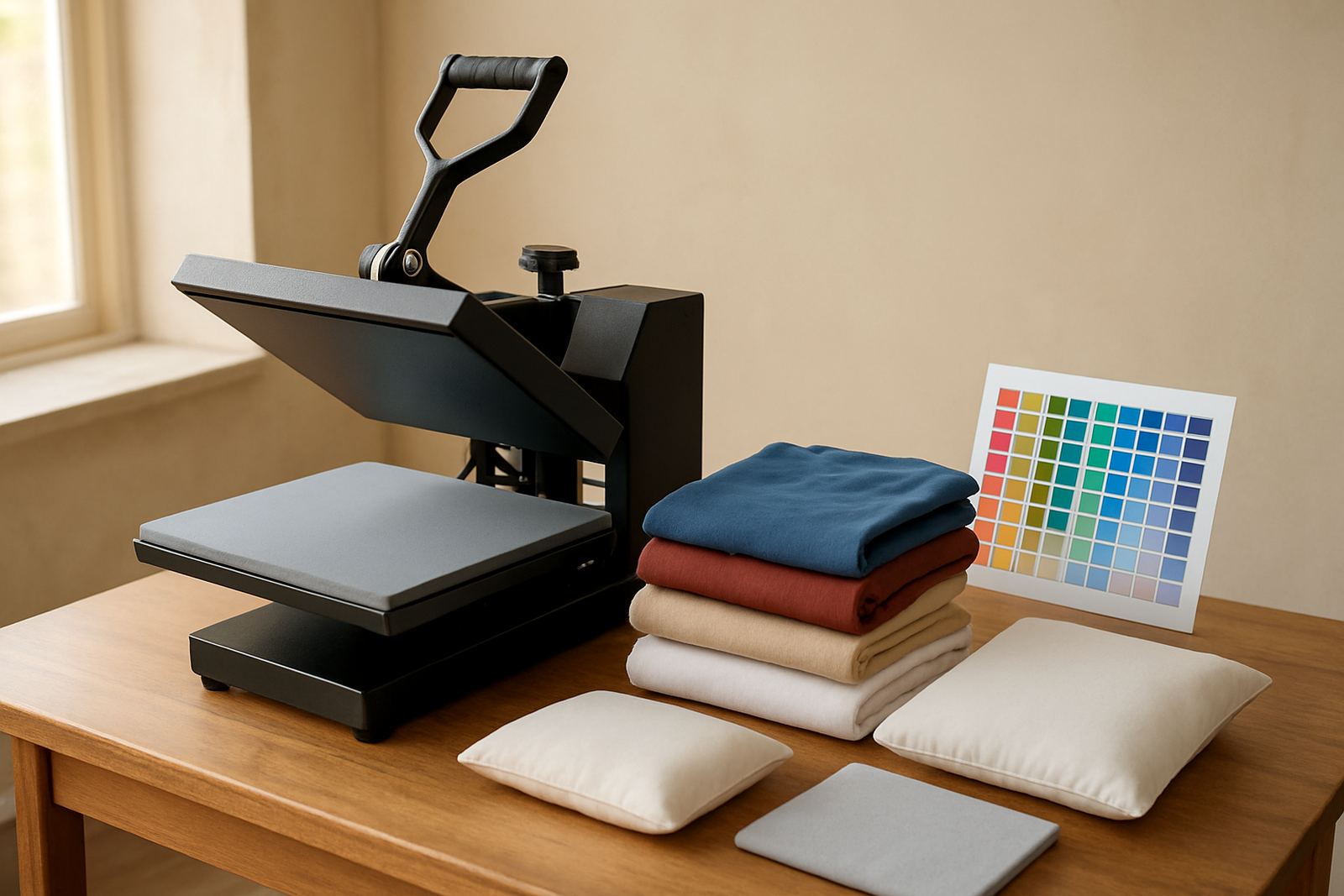
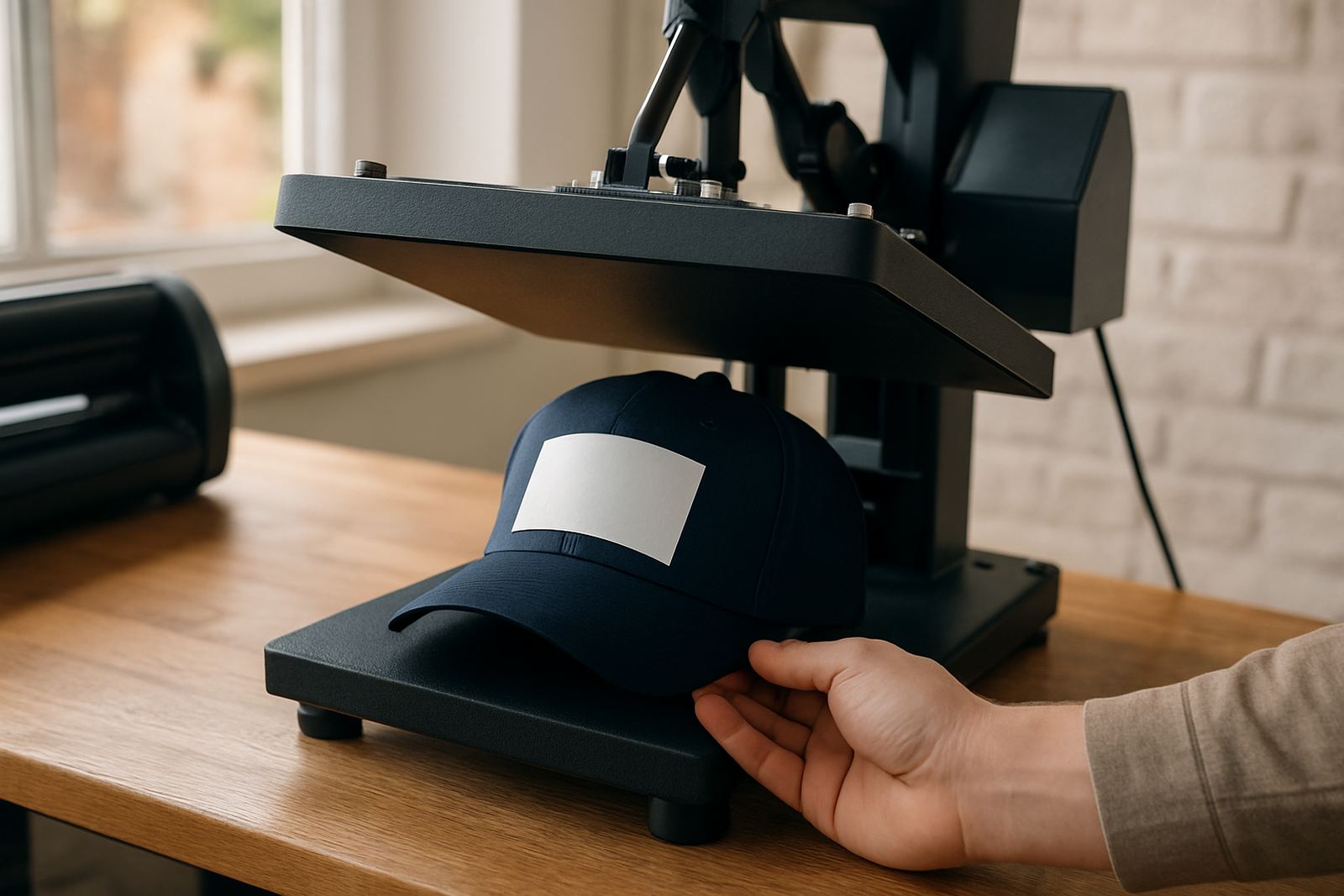
We also help with related equipment and setup items that support better output. A heat press check is important if you are applying HTV for shirts, aprons or tote bags. Good cutting often depends on a few basics working properly, such as blade calibration, correct pressure and clean material feeding.
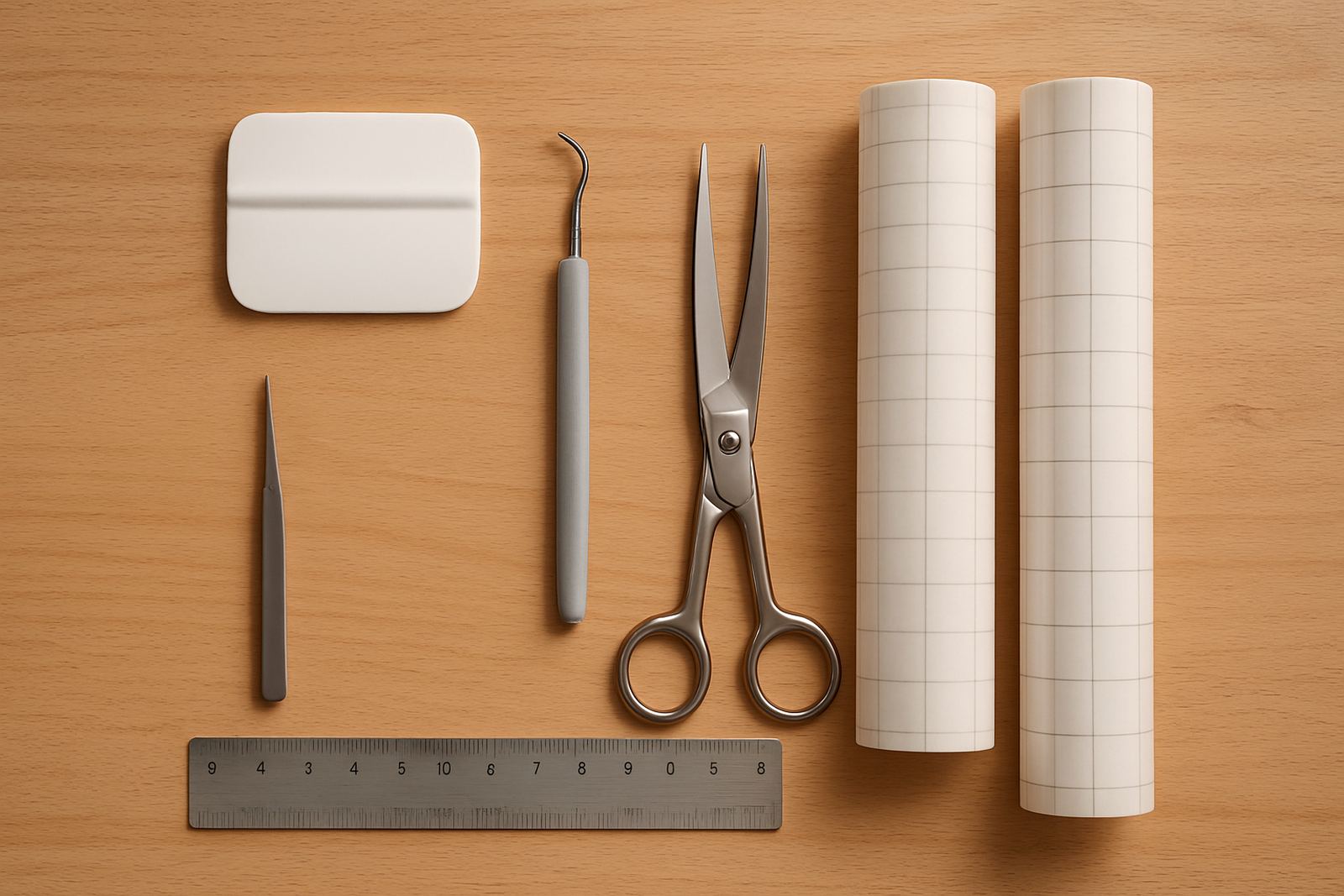
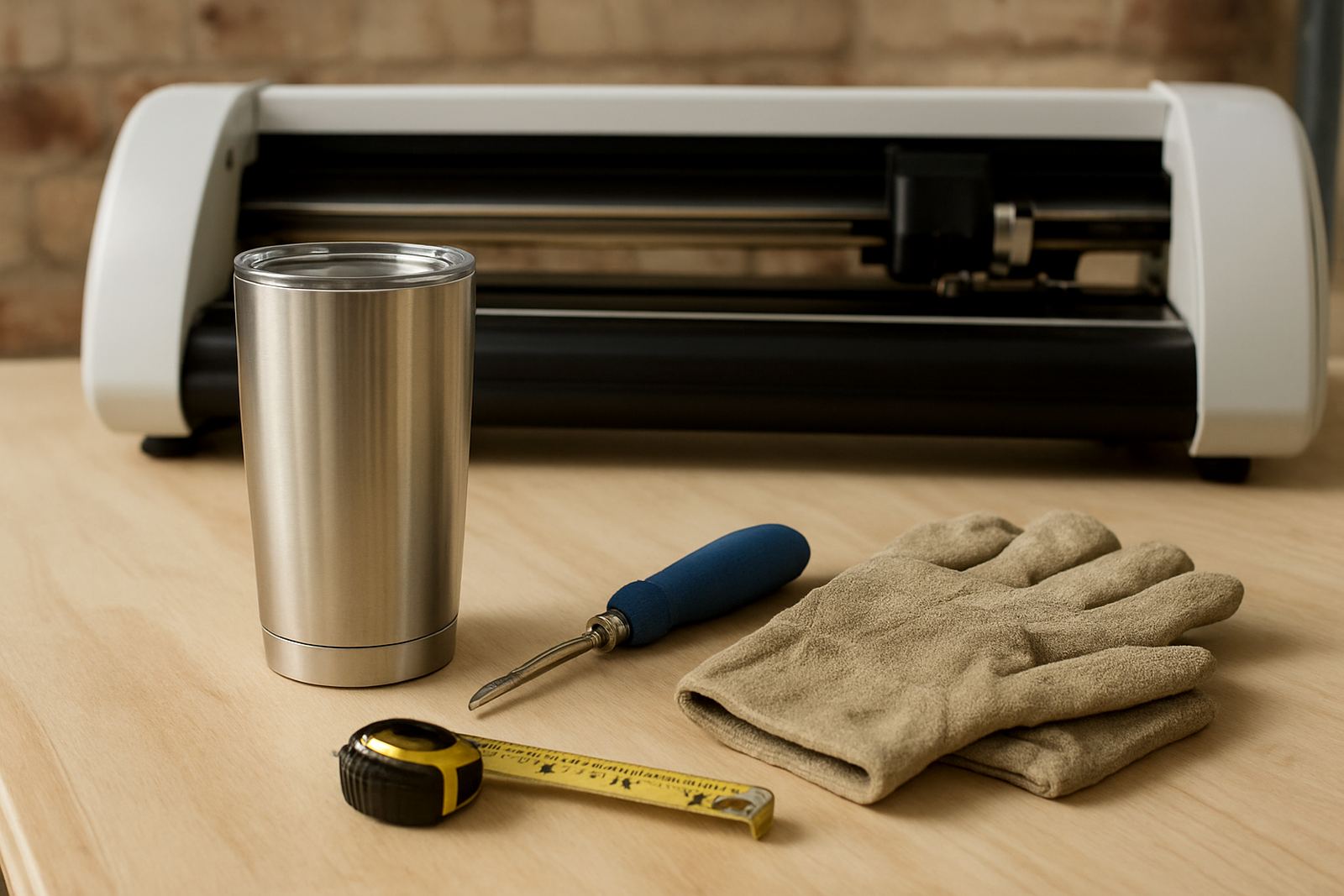
- Replacement parts help for blades, mats and small consumables.
- Routine machine cleaning for dust, adhesive and off-cut build-up.
- Workflow help for batch jobs, nesting and material use.
- Material testing before you buy in bulk.
Support for setup, training and troubleshooting
A vinyl cutter needs proper setup, software connection and material testing before it earns its place on your table. We assist with new machine setup, software connection help, cut quality troubleshooting and remote support sessions when a job is stuck. If you are cutting for customers, clear guidance on blade calibration and material testing can reduce waste and keep turnaround times predictable.
Our team includes Thabo Maseko, Ayesha Daniels, Sipho Nkosi, Hlamalani Netshitenzhe, Ruan Smit and Nokuthula Zungu, and we work with makers who need practical answers, not guesswork. From a first test cut to a full workshop check, we keep the process straightforward and useful.
Local service from Kya Sand, with nationwide supply
VinylCutter Craft is based in Kya Sand, Johannesburg, and supports customers across Gauteng and beyond. Whether you are in Randburg, Sandton, Midrand, Roodepoort or Pretoria East, or ordering from another province, we can help you choose equipment that suits your space and your daily workload.
If you need advice on a specific cutter, HTV or setup issue, send a message through our contact form and tell us what you are making, the material you are using, and the size of the work. That makes it easier to point you to the right option first time, without wasted back and forth.