






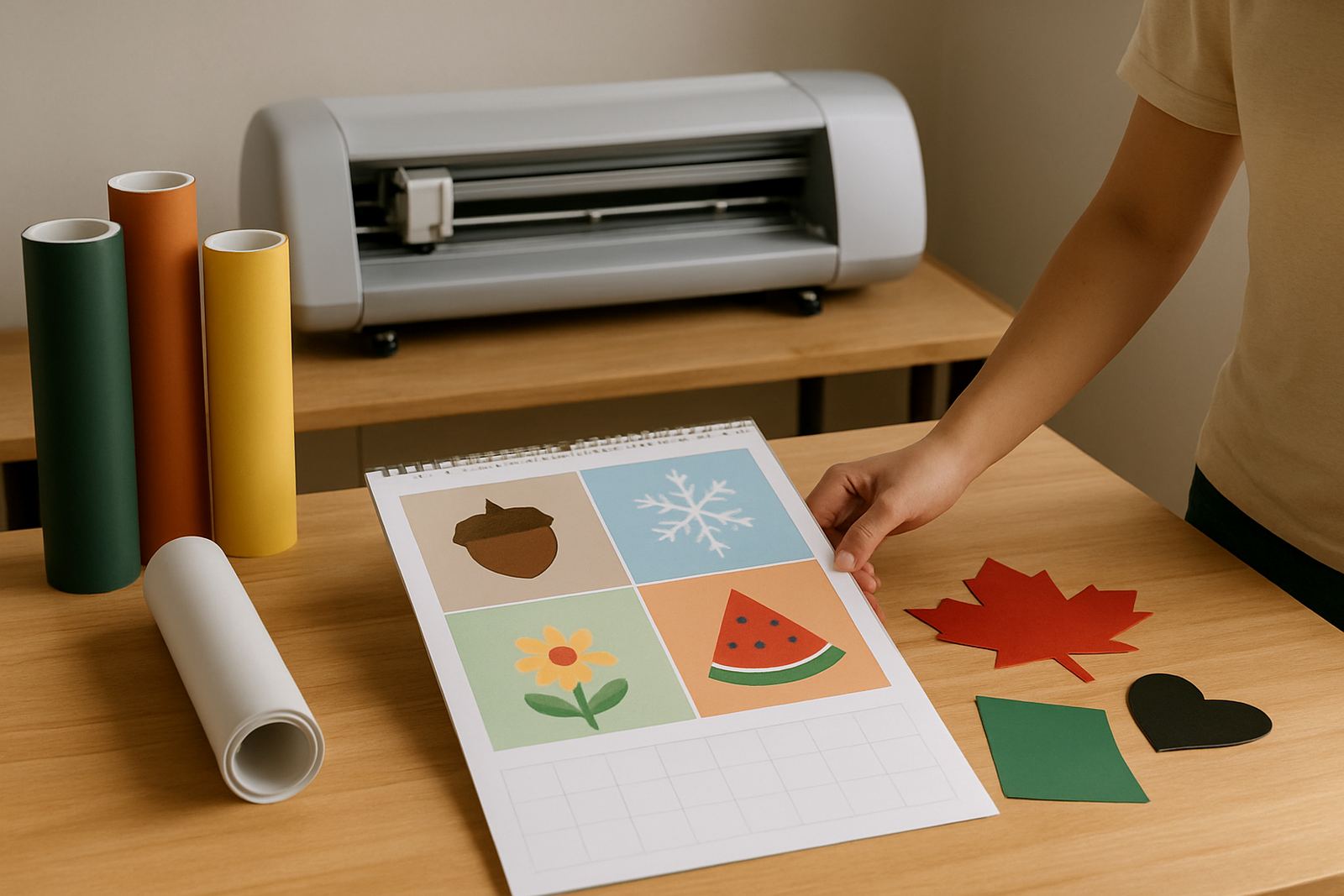

What You Will Find in Craft Notes
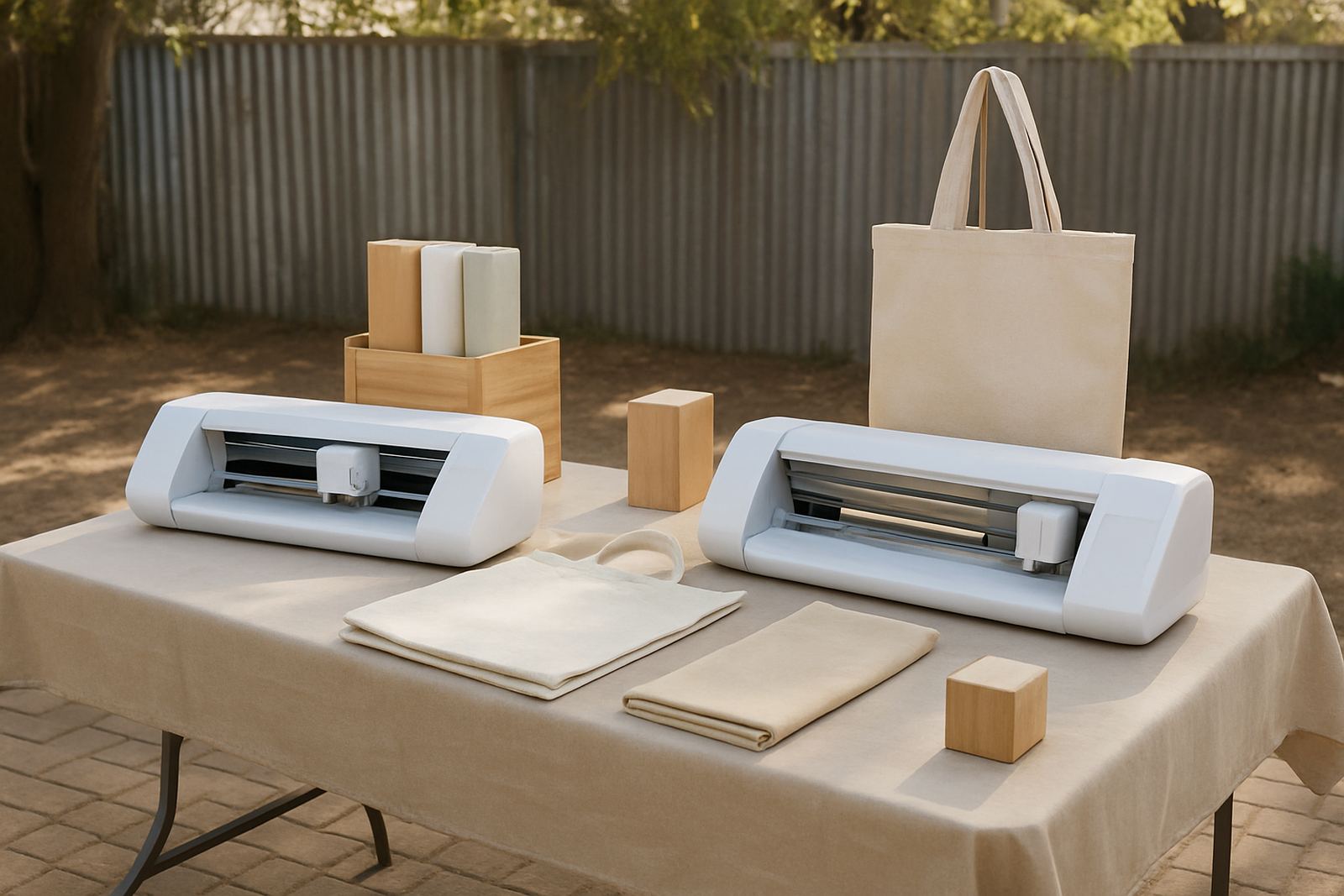
Craft Notes is our hub for short, useful reading on vinyl cutting, heat transfer work and everyday workshop habits.
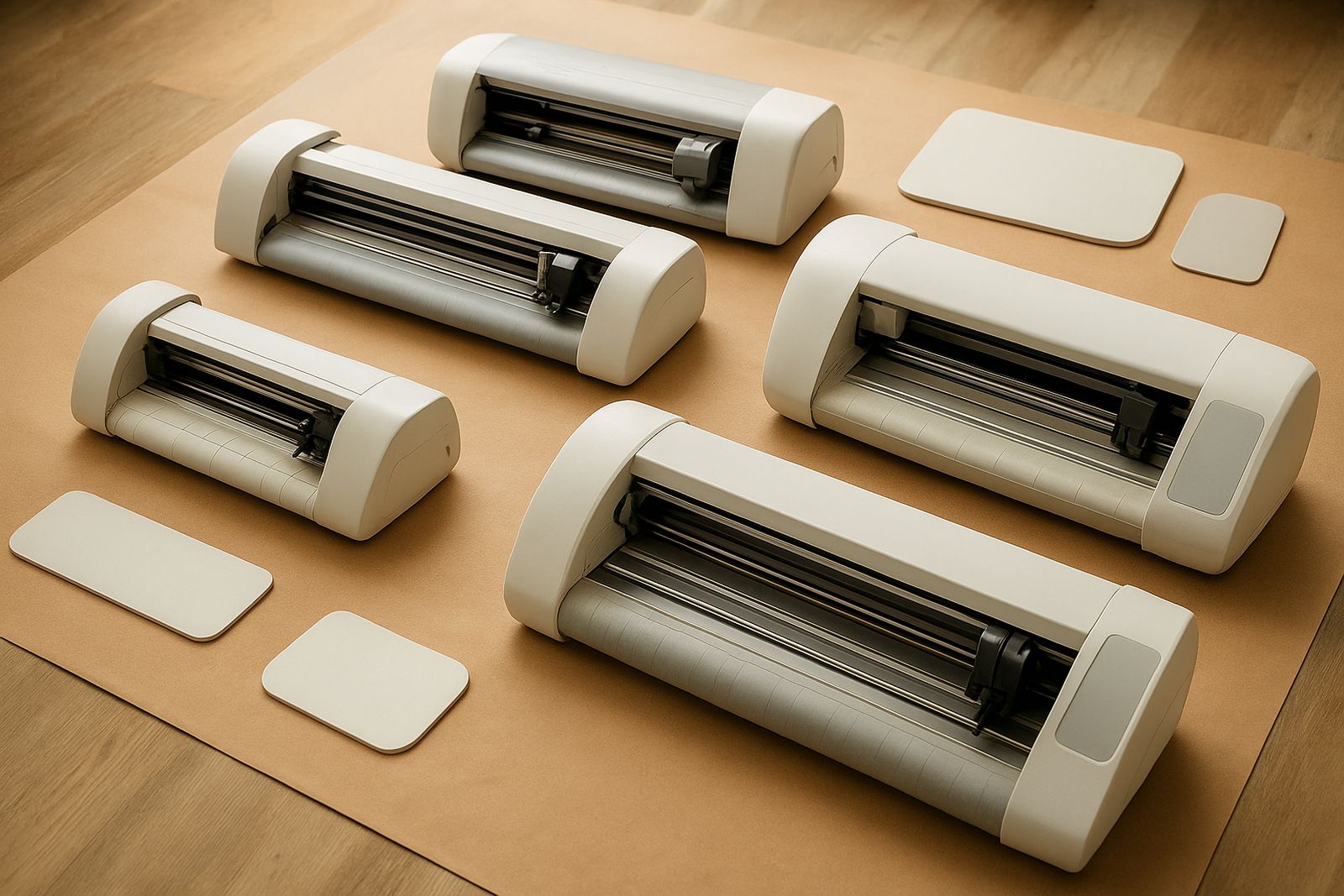
The range covers starter guidance, maintenance checks and simple ways to improve output without overspending. If you are trying to choose a cutter or improve the one you already have, start with the topic that matches your biggest issue right now.
- Machine setup for first time users and small studios
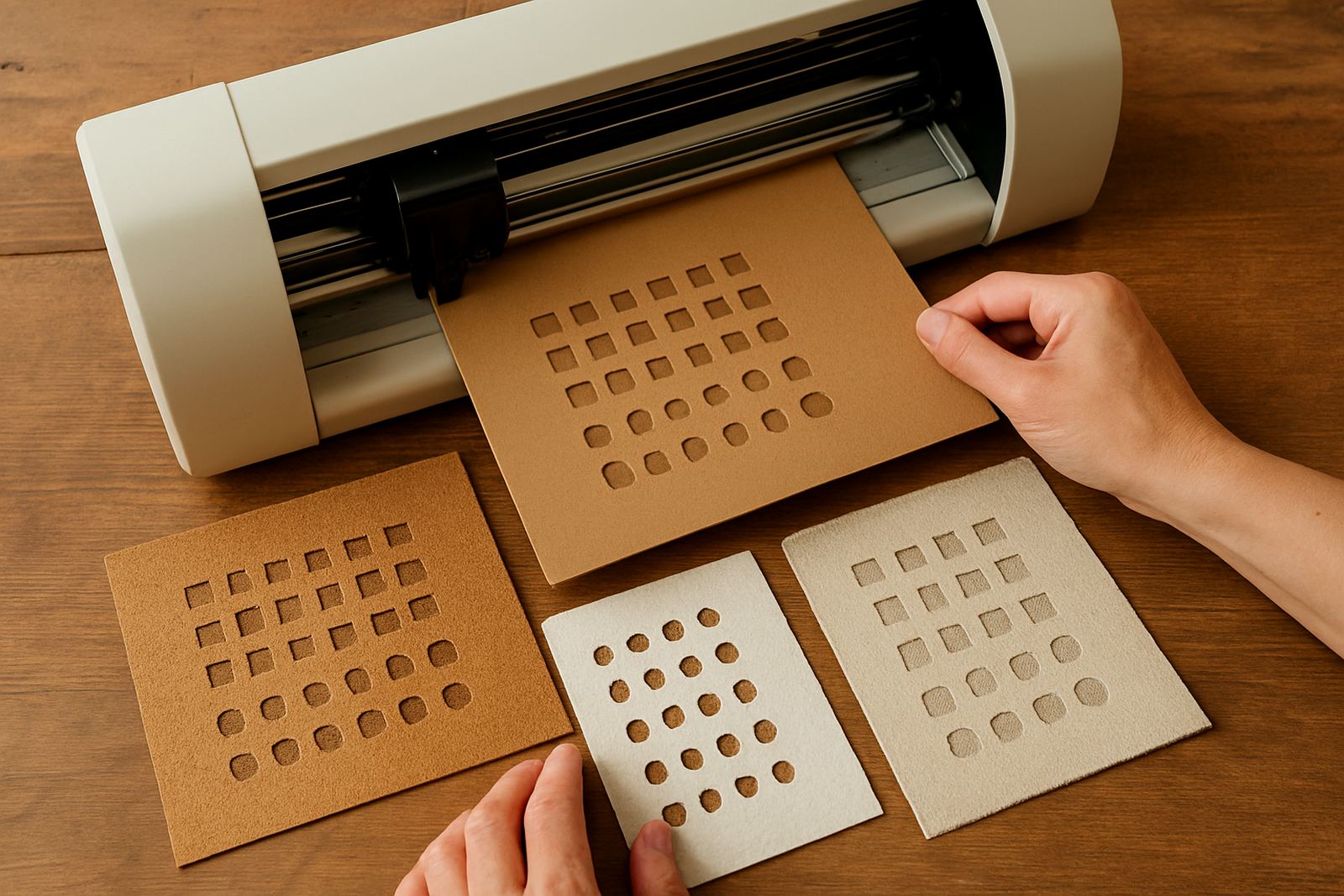
- Blade care, cutting pressure and material testing
- HTV prep for cotton, polycotton and performance wear
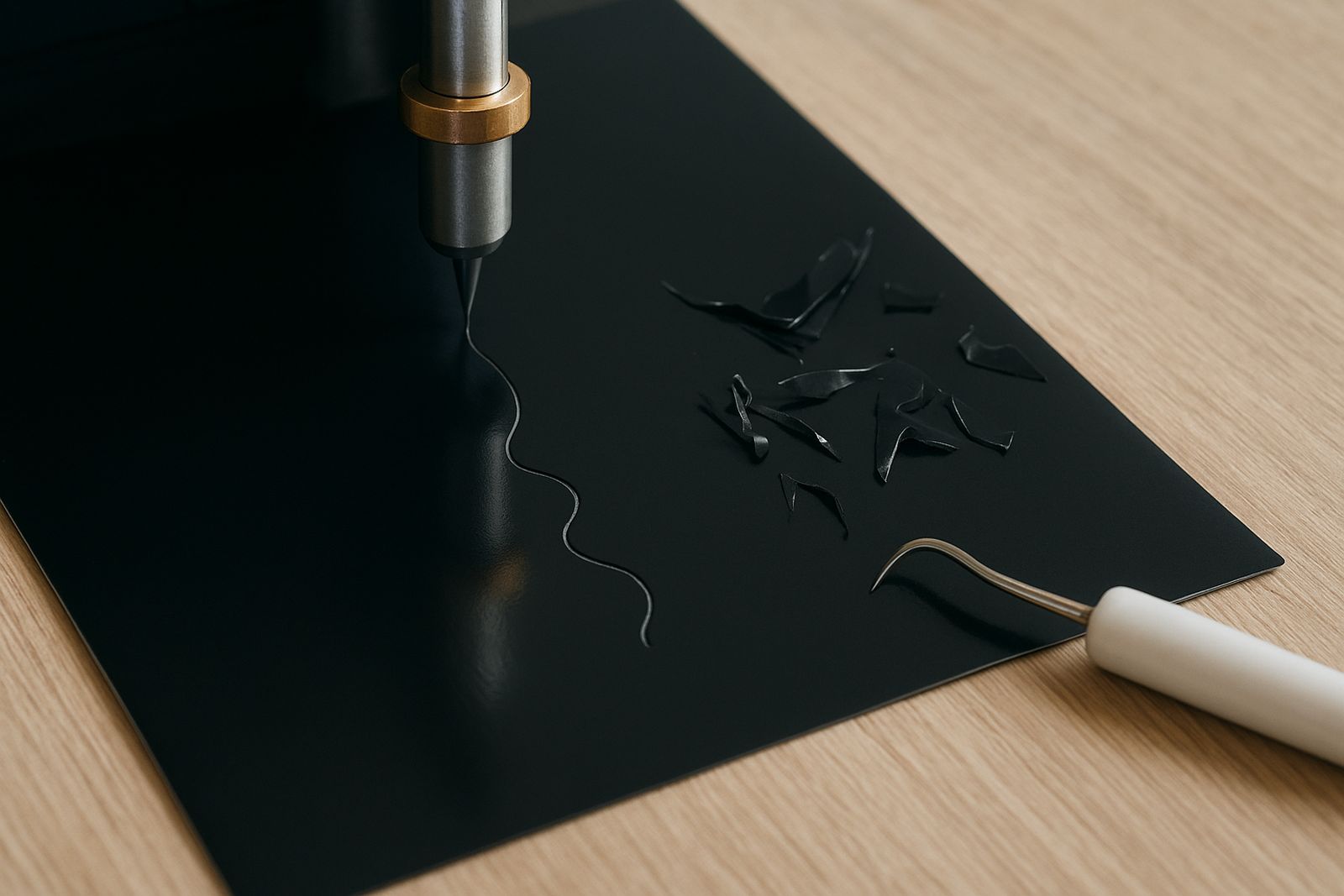
- Practical fixes for feeding issues, clean cuts and weeding
- Advice for busy craft rooms dealing with heat, dust and load-shedding
How to Choose the Right Article First
If you are new to craft cutters, begin with the basics: setup, software connection and blade calibration. These articles help you avoid the usual early mistakes, like using too much pressure or setting the blade too deep for thin vinyl. For a home crafter, that can mean less waste and neater edges from the first few runs.
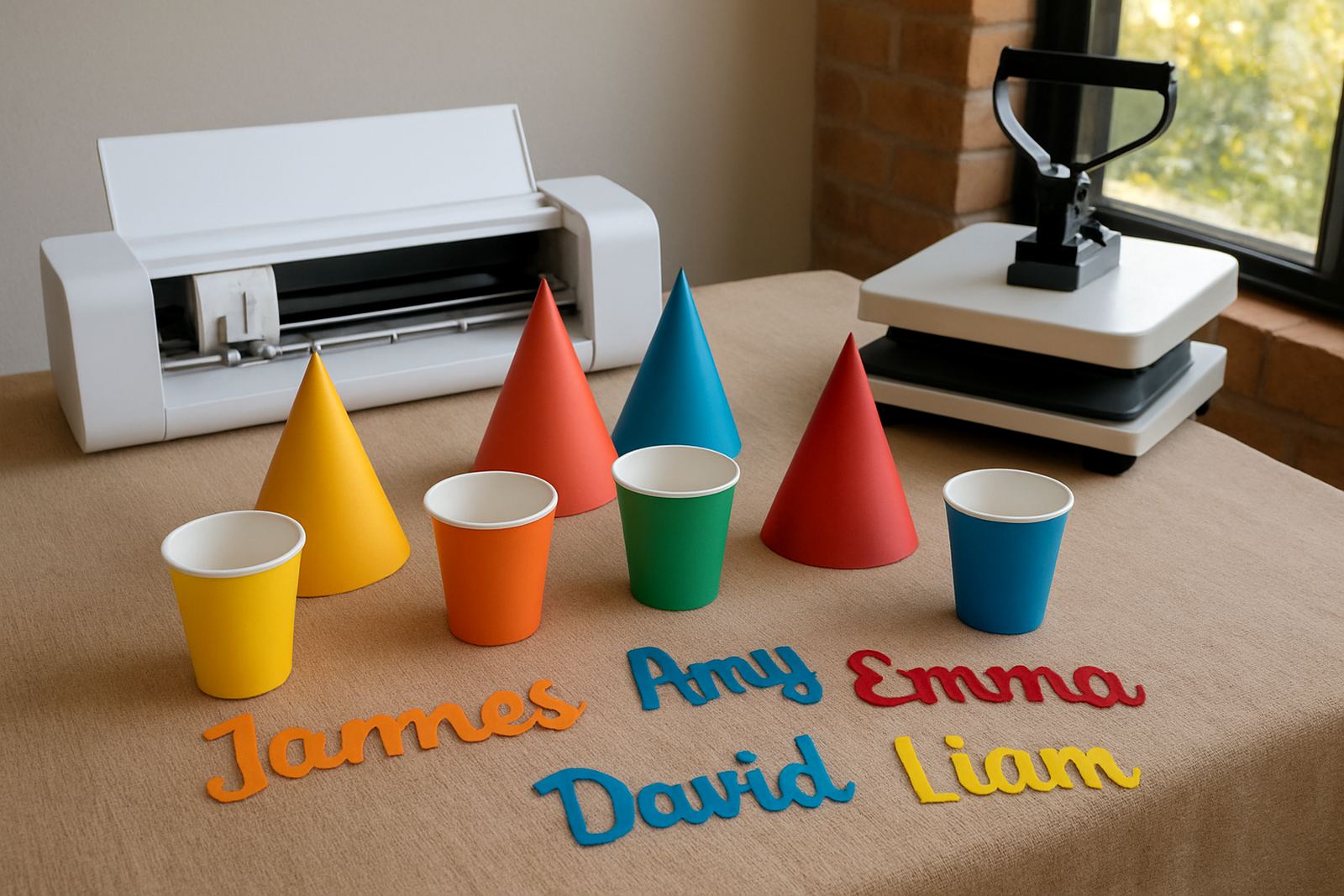
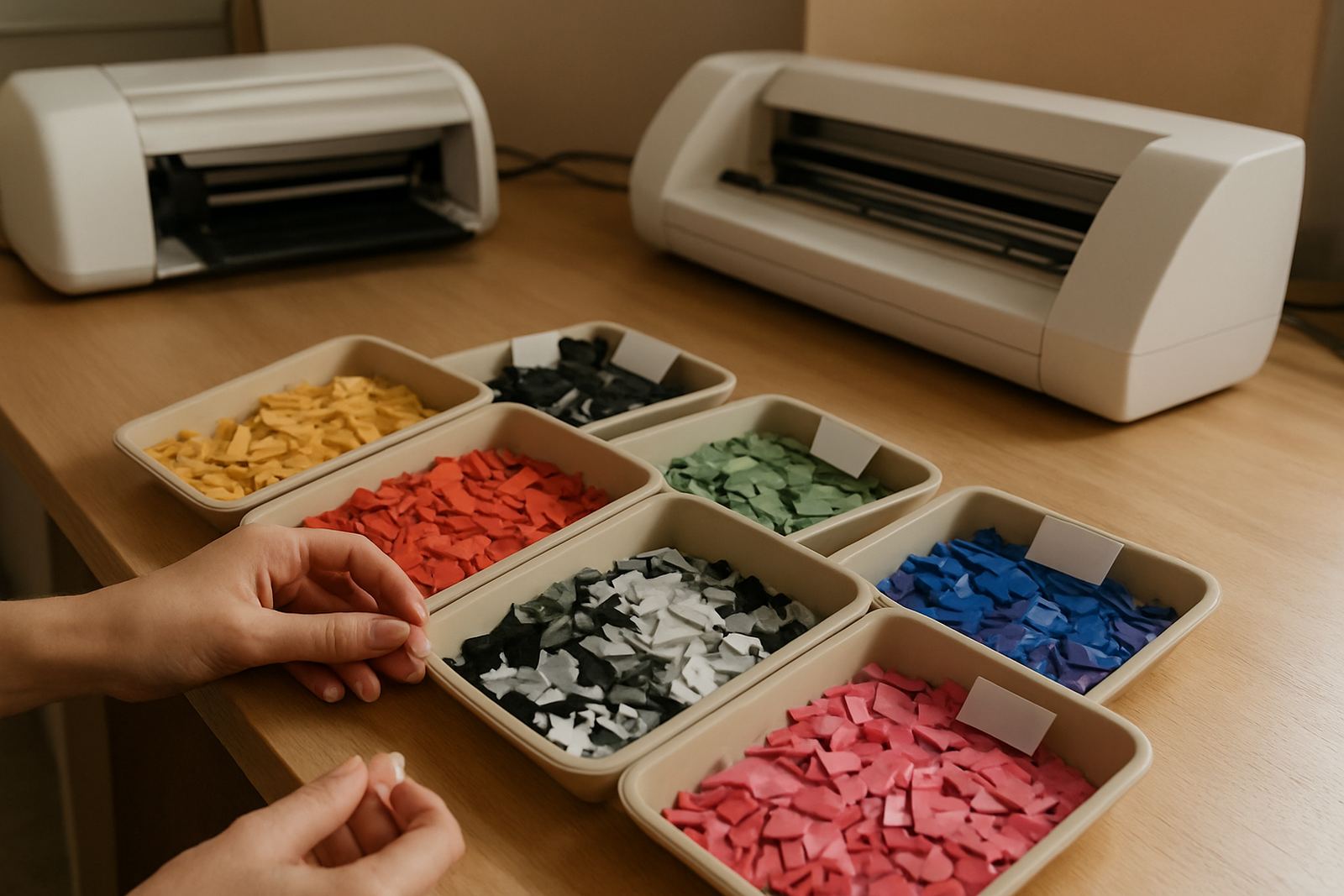
If you already sell custom items, focus on workflow and quality control. Articles on material testing and cut quality troubleshooting are useful when you need repeat results across names, numbers, logos and small lettering. In South African conditions, that matters because room temperature, dust and humidity can change how a sheet behaves from one day to the next.
- Choose setup content if your machine is still new
- Choose troubleshooting if cuts are lifting or not weeding cleanly
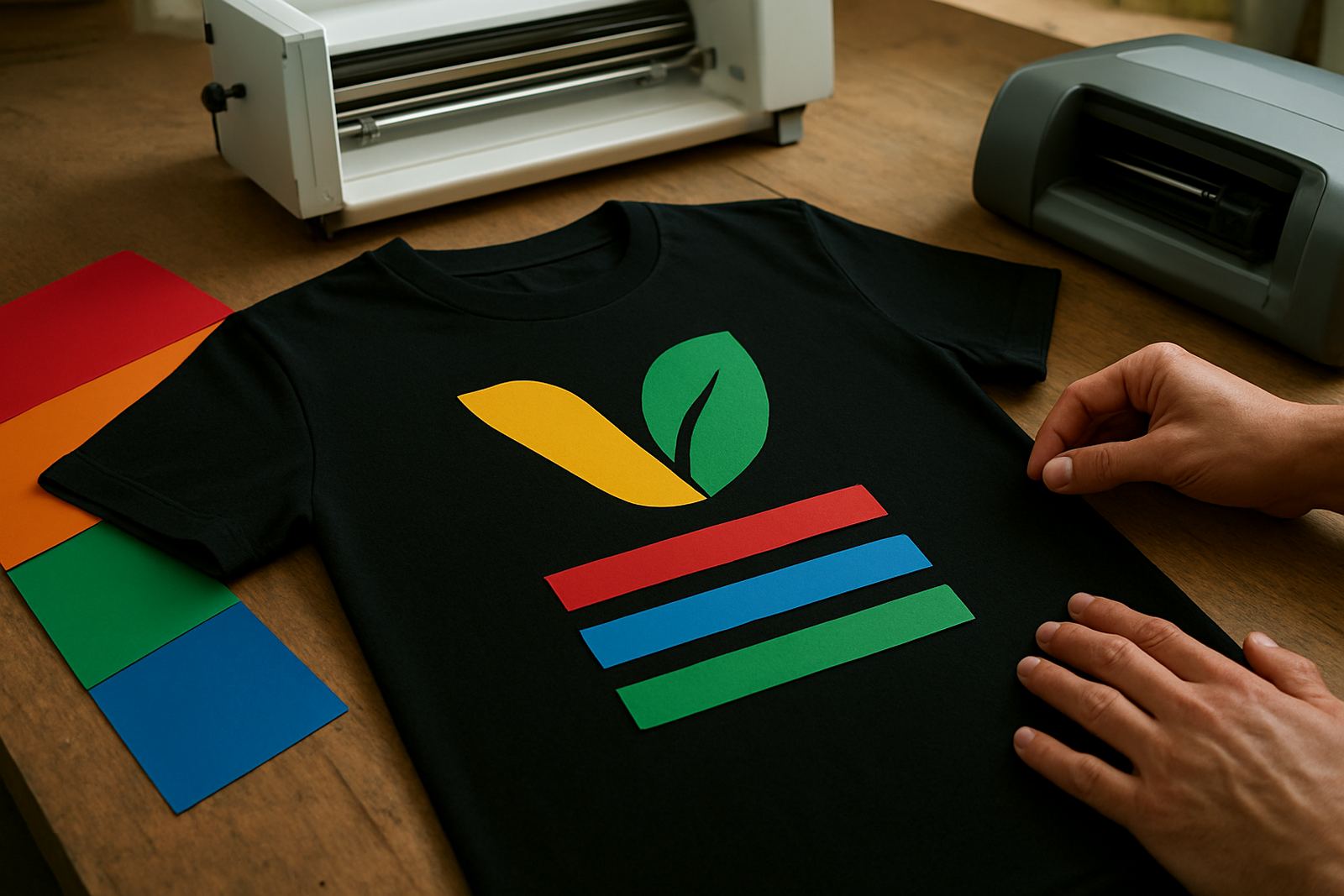
- Choose HTV guidance if you make shirts, bags or teamwear
- Choose care articles if the machine sits unused during power cuts
Maintenance Habits That Save Time and Money
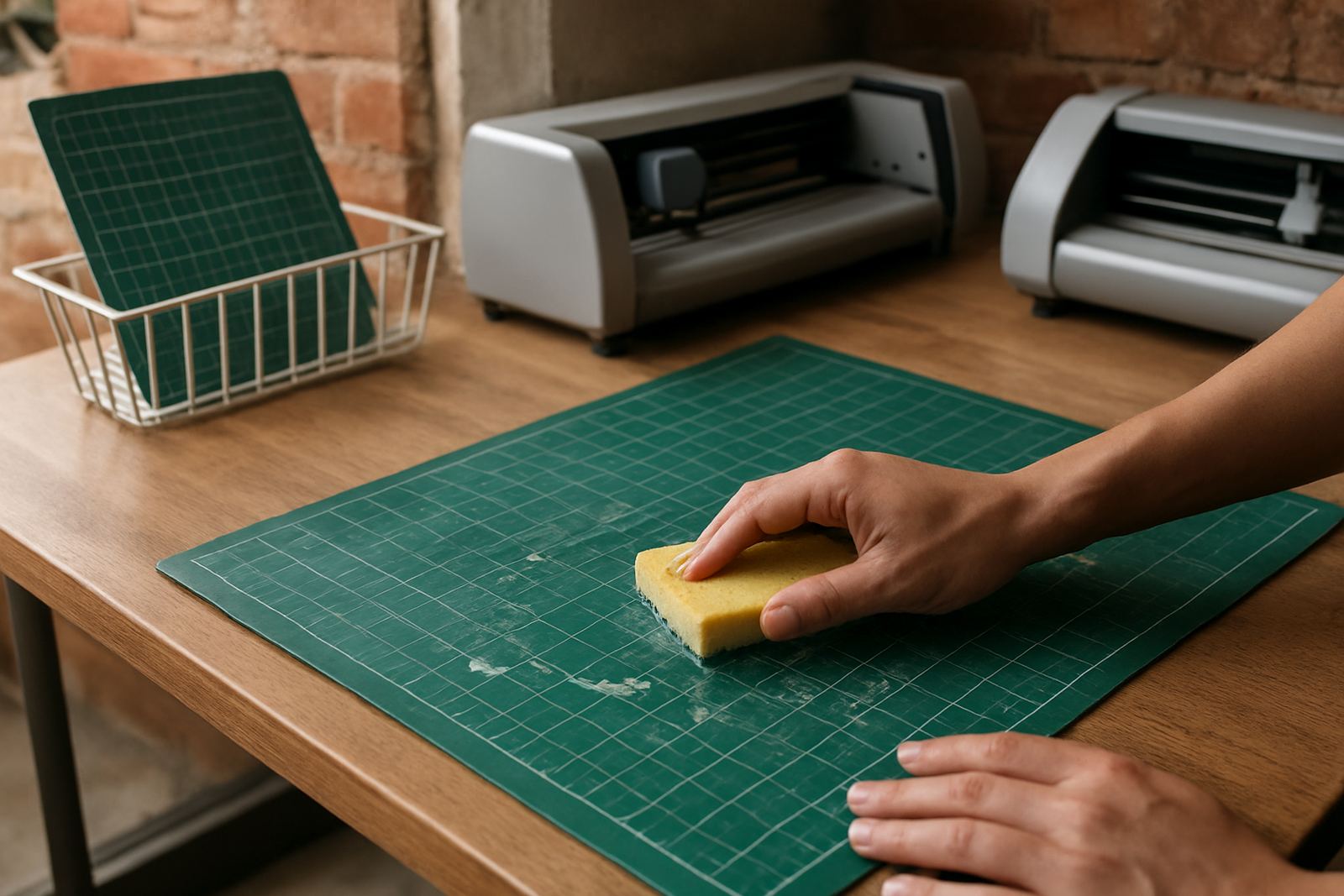
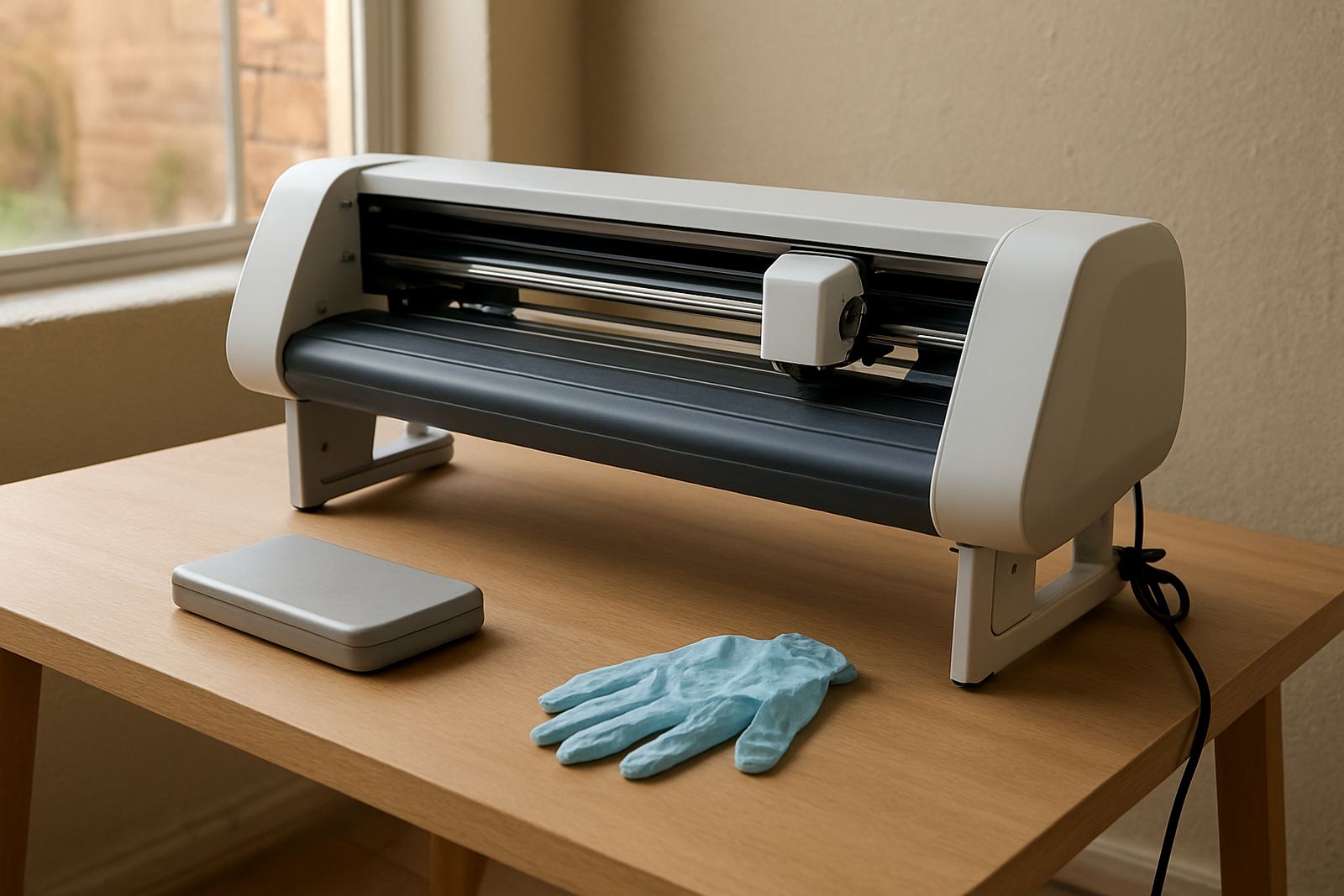
Small maintenance habits make a big difference, especially if your cutter works most days. A quick clean after a dusty week in Kya Sand can help the carriage move better and keep cut edges consistent. Check the blade holder, pinch rollers and mat or feed path before you start a long job so you do not lose material halfway through.
Routine care also helps in coastal or humid conditions, and even in dry inland weather where static can build up. Our articles explain simple checks you can do at the bench, without needing a full workshop strip-down. One or two minutes of attention often prevents a bigger repair later, which is always better than stopping in the middle of an order.
- Wipe dust from rollers and guides with a soft cloth
- Check blade wear before every new roll of material
- Keep spare blades and replacement parts close by
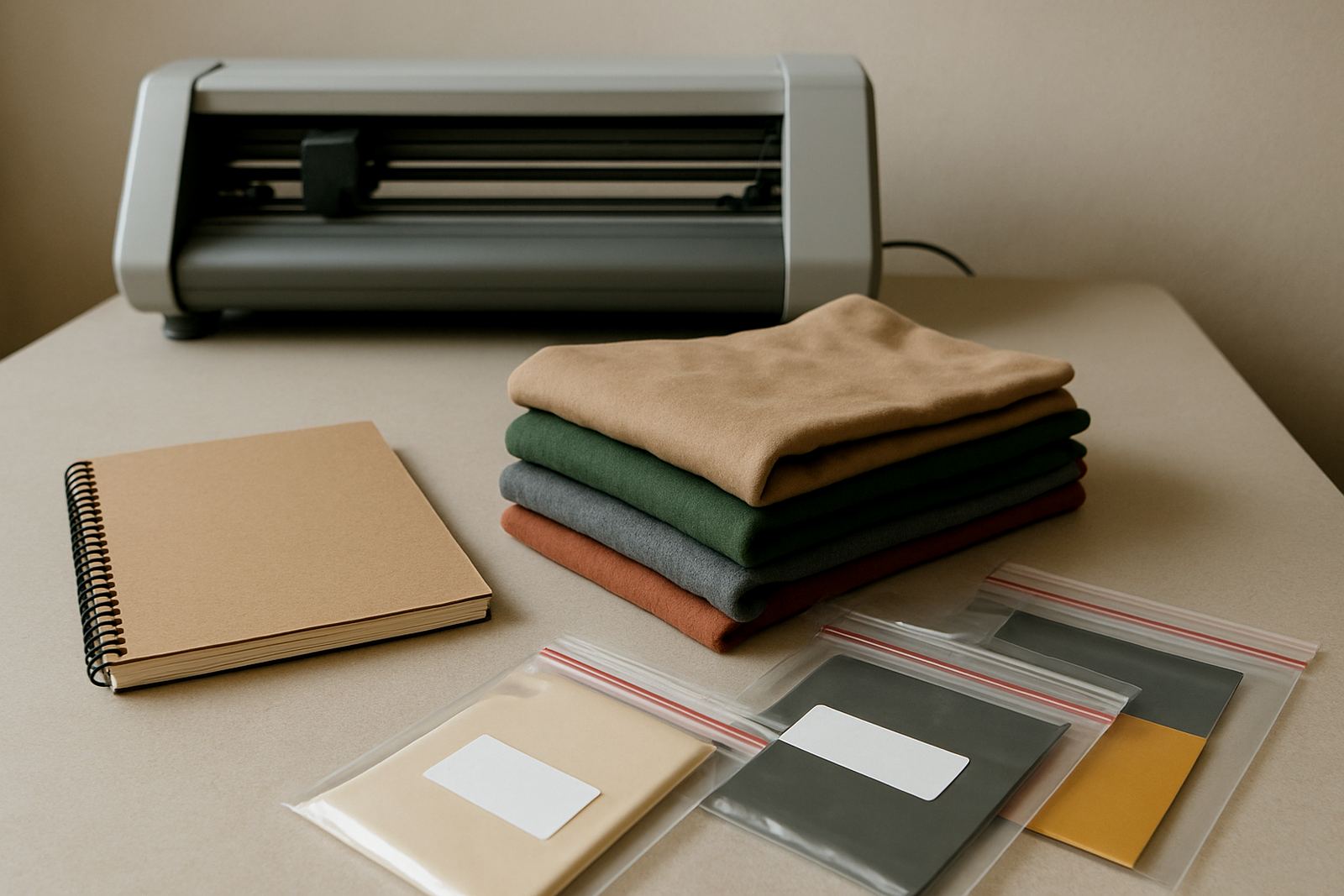
- Store HTV flat and away from direct sun
- Unplug during storms or long load-shedding breaks
HTV Advice for Better Press Results
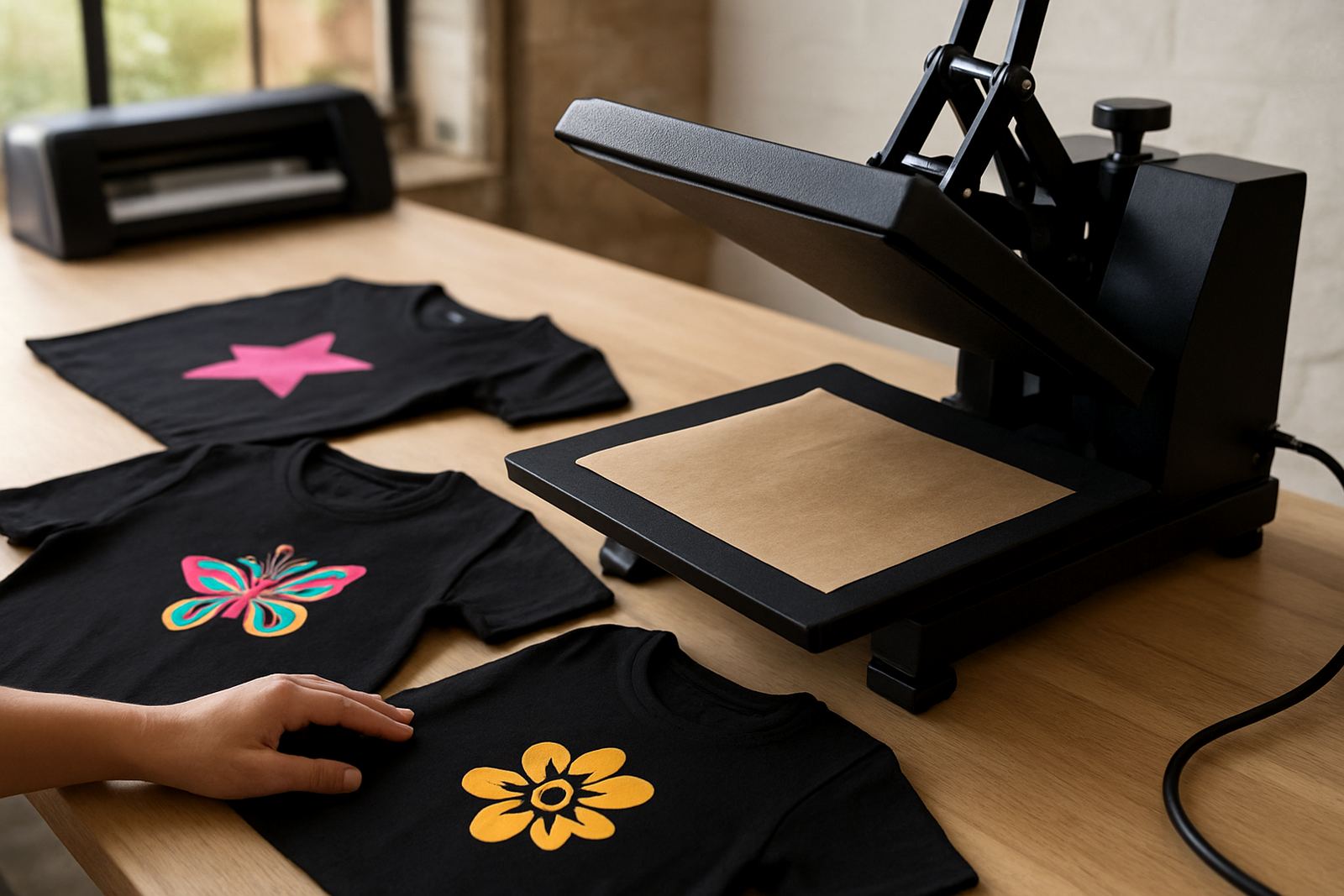
Heat transfer vinyl works best when the cutter and the press are both set up properly. That is why our Craft Notes articles cover more than cutting alone. You will find practical notes on heat press checks, testing on sample pieces and choosing settings that suit cotton, polycotton and synthetic garments.
If a press is too cool or too hot, the vinyl may lift early or leave a heavy feel on the garment. The articles give clear starting points, then show how to adjust for your own workshop conditions. That is useful for small businesses working from a garage, spare room or shared studio where temperatures can change through the day.
- Test one small transfer before a full batch
- Check pressure across the platen, not just the middle
- Use a clean cover sheet where needed
- Let garments cool as directed before peeling
For Small Businesses Growing Beyond Hobby Work
Many makers start with gifts, then begin taking orders from schools, churches, events and local brands. Moving from casual making to a more organised workflow means better batching, label control, material planning and quicker turnaround times.
When order numbers rise, simple habits matter more. Keep your software files named clearly, test a fresh piece of vinyl before every new job and record the settings that gave the best finish. It sounds basic, but it saves time when you are trying to get five shirts out before school collection or an event on Saturday.
Our team in Johannesburg also supports customers by phone and remote session when needed, so the advice here ties back to real machine use not theory.
Use the Hub as a Starting Point
Think of Craft Notes as your quick reference before you cut, press or replace a part. Some articles are for first-time users, while others are aimed at makers who already know the basics and want cleaner output.
If you are unsure where to start, choose the article on your immediate issue first, then move to maintenance and workflow advice after that. A steady routine beats guesswork every time.