
What a wide format cutter is used for
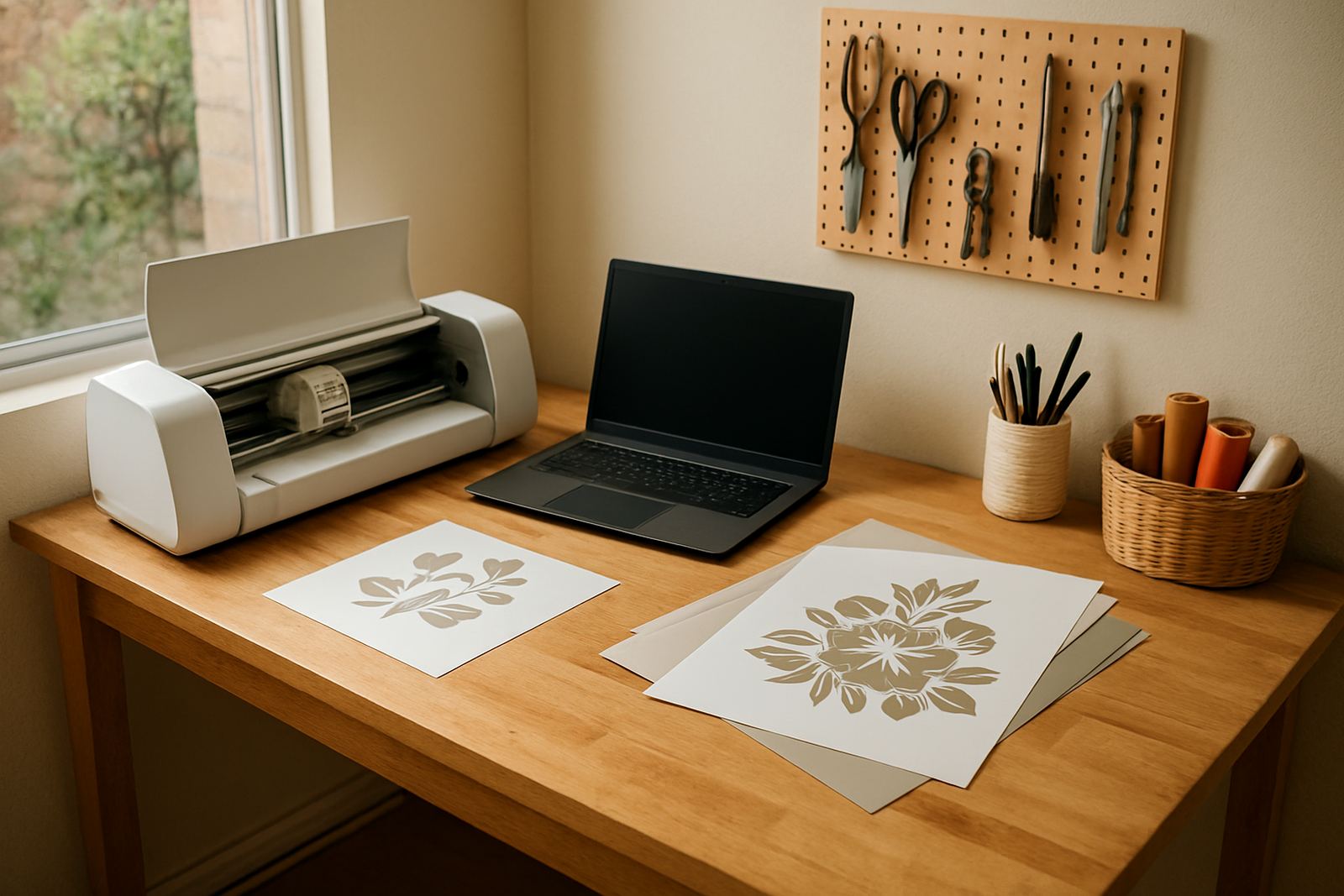
A wide format cutter is a vinyl cutting machine with a larger cutting width than a small desktop unit. That extra width matters when you are working on shop window lettering, wall words, vehicle lettering strips, display graphics or long heat transfer vinyl panels for shirts, hoodies and sportswear. Instead of joining smaller cuts together, you can place a wider roll and cut the artwork in one pass.
For hobby users, it opens the door to bigger home décor projects and event signage. For small businesses, it helps you produce cleaner results and faster turn arounds on bulk orders. If your work is starting to outgrow a narrow cutter, this is usually the next practical step.
Available cutting widths and machine choices
Wide format cutters are commonly chosen in 630 mm, 720 mm, 870 mm and 1350 mm class sizes, depending on how much material you need to handle. The usable cutting width is always slightly less than the roll width, so it is worth checking the actual working area before you order. A 630 mm unit suits most craft and small signage jobs, while 870 mm and 1350 mm models are better when you need longer labels, wider wall text or larger HTV layouts.
Look at the type of jobs you do most often. A maker producing names, decals and heat press transfers for schools may not need the biggest machine. A sign shop or apparel business that handles larger pieces, repeated work and heavier roll use may want the extra width from the start. It saves time and reduces offcuts, which matters when materials are not cheap.
- 630 mm: good for hobby work, decals and smaller clothing layouts
- 720 mm to 870 mm: useful for mixed craft, wall decals and medium signage
- 1350 mm: suited to broader signage-style work and longer production runs
Where this cutter fits best in daily work
This cutter suits creative users in Johannesburg, Randburg, Sandton, Midrand, Roodepoort and Pretoria East who need a dependable machine for repeat vinyl cutting. It also works well for nationwide customers who want a machine that can handle both home-based work and small business production. In damp coastal areas, it is useful to keep rolls sealed and stored flat because heat transfer vinyl can pick up moisture and curl at the edges.
Typical uses include wall quotes, classroom décor, market stall signage, branded gifts, one colour logo work and broad HTV pieces for aprons, team wear and promotional apparel. If you cut on weekends, after hours or around load-shedding, a wide format cutter is still practical because it uses standard mains power and does not need gas or compressed air. Just allow for a stable table, enough side clearance and a good blade path, because cramped setups usually lead to crooked feed and wasted material.
- Wall graphics and décor for homes, offices and events
- Large HTV layouts for apparel, bags and promotional items
- Signage-style vinyl work for shops, schools and local businesses
Installation, power use and workspace needs
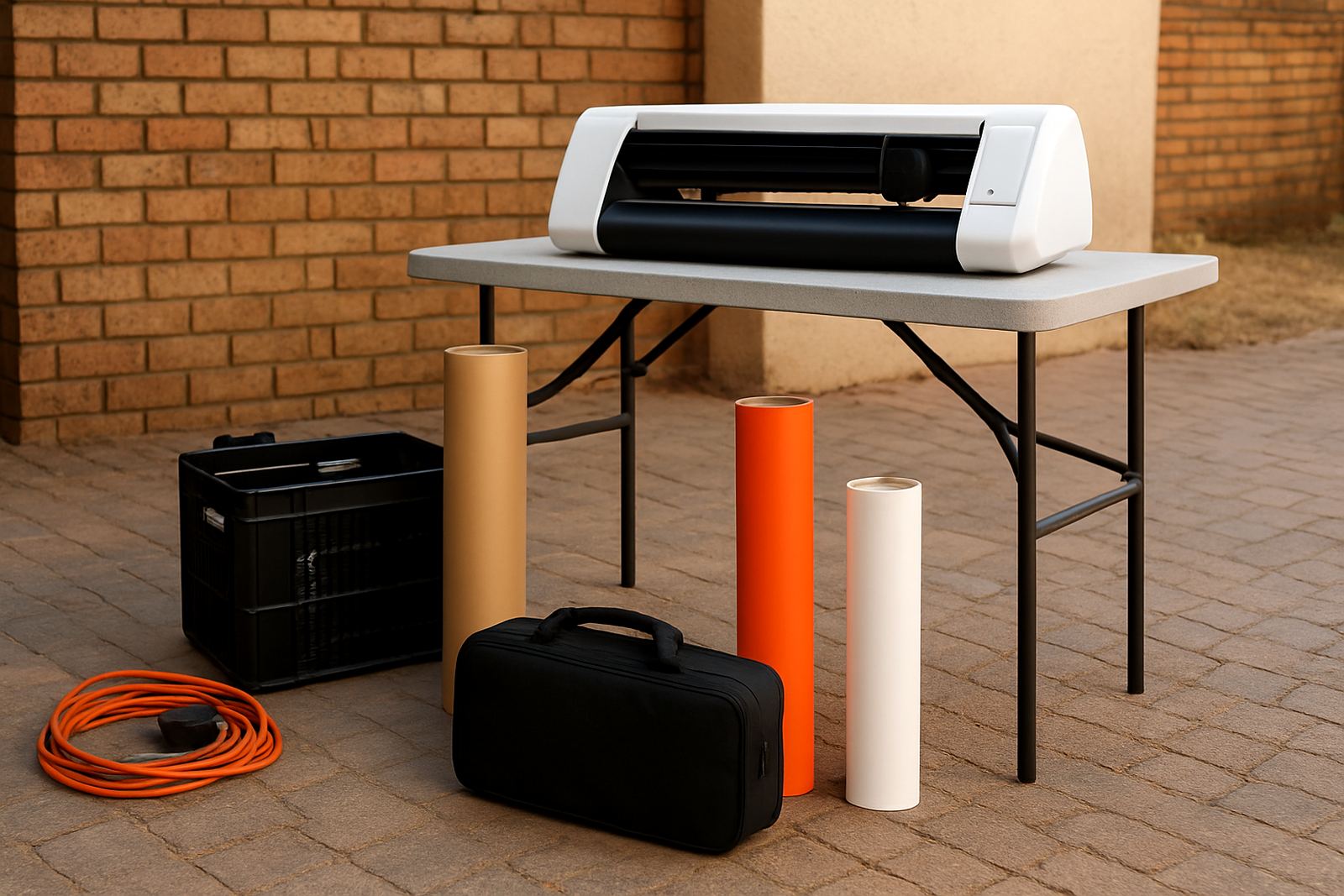
These cutters are normally plug-in machines that run on standard 220V to 240V household power, so there is no gas requirement. A steady power supply is best, especially during load-shedding or when running through a small inverter system. If you use backup power, check that the inverter can handle the machine start-up load and that the connection gives clean power with no sudden drop-outs. A small surge protector helps, and so does keeping the machine off a crowded extension lead.
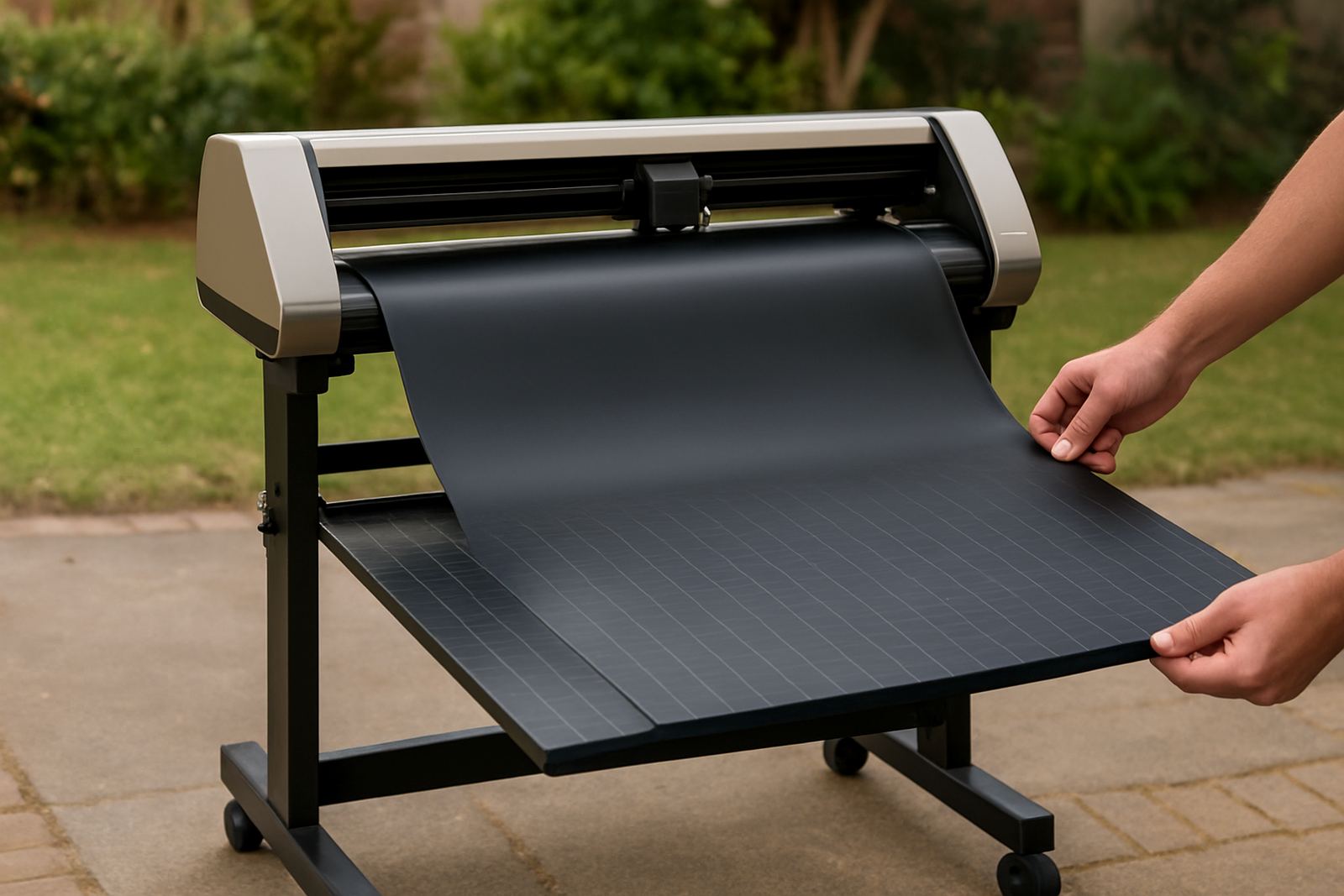
Plan for a long, level table or stand and enough room for the material to feed straight through. Wider rolls need support on the in-feed side and on the out-feed side, otherwise the vinyl can drag and skew. For larger pieces, the workspace should allow at least the roll width plus 300 mm on either side. That small bit of extra space makes day to day use far easier.
- Keep the machine level to avoid tracking problems
- Use a clean, dust-free surface for best cut quality
- Allow space for rolls to feed out without snagging
Care, cleaning and routine servicing
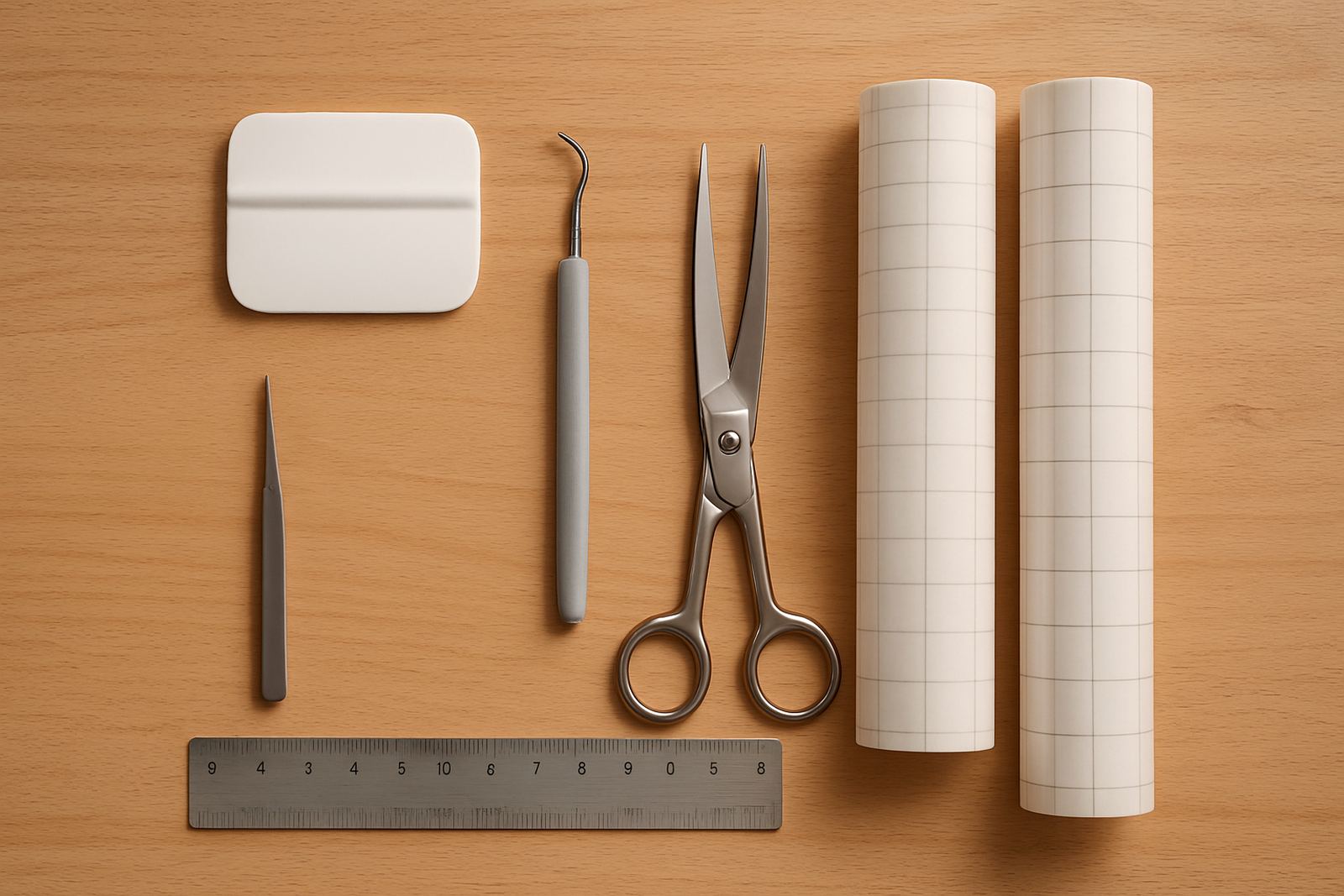
Good care keeps a cutter accurate. Dust, vinyl scrap and adhesive build-up can affect the blade path and pinch rollers, so routine cleaning matters. Wipe the machine down regularly, clear out small offcuts and check that the blade holder moves freely. If the cutter starts to drag or miss corners, blade depth, pressure and calibration should be checked before you assume there is a bigger fault.
At VinylCutter Craft we assist with new machine setup, blade calibration, material testing, software connection help and cut quality troubleshooting. We also support heat press checks, replacement parts help, remote support sessions and workflow help. If a machine is not feeding square or the cut is not weeding cleanly, early attention usually saves time and material. A little maintenance goes a long way, honestly.
What to verify before ordering your cutter
The right cutter depends on your working width, material type and daily output. Before you order, check the maximum cutting width, maximum media width, blade type, feed system and whether the machine can handle the roll sizes you plan to buy locally. If you work with HTV, make sure the machine can produce smooth kiss cuts on thin film without cutting too deep into the carrier. For signage work, ask how it performs on longer runs and heavier vinyl.
It is also worth checking software support, language compatibility, cable connection options and whether your computer setup is ready. Some users want simple desktop cutting while others need a cleaner workflow for repeated jobs. If you are ordering from Kya Sand, Randburg, Sandton, Midrand, Roodepoort or anywhere else in South Africa, send us the details of the work you want to do and we can help you match the cutter to the job.
- Maximum cutting width and media width
- Blade type and replacement parts availability
- Compatibility with your computer and cutting software
- Support for setup, training and troubleshooting after purchase
Who should choose a wider cutter now
If you are regularly piecing together artwork because your current cutter is too narrow, moving up to a wider machine makes sense. It gives you cleaner layouts, fewer joins and less handling of finished vinyl. For a small business, that usually means less waste and better consistency across jobs.
Wide format cutters are a practical choice for creators who want room to grow. They suit home workshops, small production rooms and light commercial use where space is tight but the work is getting bigger. When you need support, our Johannesburg base in Kya Sand assists customers nationwide through our contact form and through remote help where needed.
Key facts
| Product type | Wide format vinyl cutter for craft and signage-style work |
|---|---|
| Available widths | Approx. 630 mm, 720 mm, 870 mm and 1350 mm classes |
| Power requirement | 220V to 240V AC mains power, no gas needed |
| Best materials | Vinyl, HTV, wall decal film and similar cut-only media |
| Typical use | Large decals, wall graphics, apparel transfers and shop signage |
| Support services | Setup, calibration, troubleshooting, remote help and workflow support |