
What a clamshell heat press does in day-to-day work
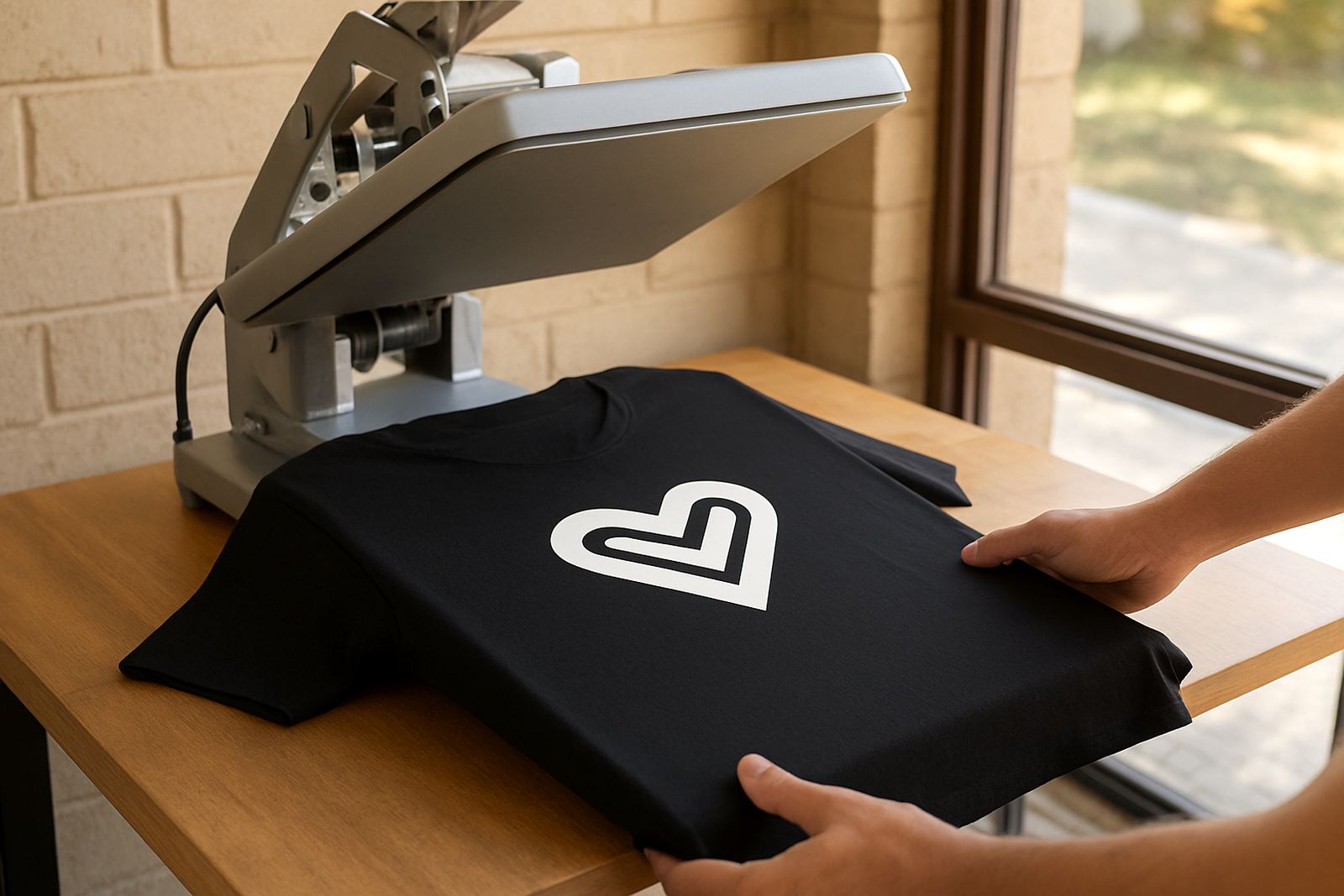
A clamshell heat press applies even pressure and controlled heat across a flat platen, which makes it ideal for HTV, sublimation transfer papers that need heat, and other common garment decoration jobs. The top plate lifts up and closes down like a shell, so the footprint stays compact and the machine is easier to place on a sturdy table or steel stand in a small room or back workshop.
For routine production, this style is popular because it is quick to load, simple to align and predictable once the temperature, time and pressure are set. It suits straight forward jobs like school event shirts, workwear, tote bags, apron branding and promo clothing. If you are doing short runs in Kya Sand, Randburg or Midrand, the compact form can make a real difference when space is tight and the power supply must be managed carefully during load shedding.
Sizes and options that fit South African craft production
Clamshell presses are commonly chosen in tabletop sizes that suit hobby use and light production. The most requested plate sizes are 29 x 38 cm, 38 x 38 cm, 38 x 50 cm and 40 x 60 cm. Smaller platen sizes are good for chest logos, baby grows and tote bags, while larger platens handle adult shirts and bigger graphics with fewer repositioning steps.
- Manual open and close operation for simple control
- Digital temperature and time setting
- Adjustable pressure for vinyl, print and transfer work
- Anti slip handle and stable base for repeat use
- Optional interchangeable lower platens on some models
When choosing a size, think about the items you make most often and the table space you have available. A 38 x 38 cm unit is often a strong all-round choice for home business use, while a 38 x 50 cm or 40 x 60 cm model is better if you want more room for larger artwork or faster batch work. If you supply customers in Pretoria East, Roodepoort or Sandton, a slightly bigger platen can save time during busy orders.
Where this press works best
This press suits garment decorators who need dependable daily output without the learning curve of a complex setup. It is a solid fit for start-up print rooms, craft sellers, school fundraising groups, market traders and small apparel brands producing branded items in batches. It also works well for operators who need neat transfers on cotton T-shirts, polycotton shirts, canvas bags and similar flat items.
It is less suited to very thick items or bulky placements, because the clamshell motion limits vertical opening space. For that reason, many users keep it for shirts, bags, placemats, flat panels and promo garments, then use other equipment for caps or curved items. For businesses in Johannesburg and nearby areas, that balance of size and function often makes more sense than buying a machine that is oversized for the work on hand.
- Best for flat, light to medium weight items
- Good for repeated shirt runs and event orders
- Practical where workspace is tight and power points are limited
- Handy for side-hustles that may grow into small businesses
Installation, power and workshop setup
Most clamshell heat presses are straightforward to install. You need a stable level surface, a nearby socket and enough clear space around the machine for safe loading and unloading. A grounded 220V mains supply is standard for South African workshops, and the machine should be plugged into a proper wall outlet or quality surge protection especially if your area sees voltage dips during load shedding. Keep the press away from direct sunlight, damp walls and open windows where dust can build up on the platen.
A clear working area helps with consistent results. Leave enough room to swing the top plate open without hitting shelving, cutter stands or packing boxes. In humid coastal conditions you also need to keep transfer materials dry and sealed, because moisture can affect pressing results. For shared spaces in garages or back rooms, a dedicated table at waist height makes the workflow neater and safer. One small thing people miss is cable routing, which can become a tripping risk if the press sits in a tight corner.
Care, servicing and keeping the results even
Like any heat machine, a clamshell press lasts longer when it is cleaned and checked regularly. Wipe the platens after use with a soft cloth once they have cooled. Remove vinyl residue, paper dust and adhesive build-up before it hardens. Check the pressure knob, hinge movement and timer settings from time to time so the machine does not drift out of alignment. If the machine starts heating unevenly or the pressure feels patchy, it may need calibration or a technician check.
Routine care also includes checking the power cable, plug and switchgear for signs of wear. In workshops that run daily jobs, a quick inspection before each shift saves a lot of trouble later. If you use the press with HTV on a regular basis, test your settings on spare material after any blade change, software update or transfer media change. That kind of basic discipline keeps the output tidy and avoids wasted shirts, which is always worth it when stock is paid for in Rand and margins are tight.
What to check before you order
When choosing a clamshell heat press, check the platen size, maximum temperature range, pressure control and timer function. Ask whether the lower platen cover is heat resistant and whether the surface is easy to clean. It also helps to confirm the machine weight, because a heavier base usually gives better stability on the worktable. If you plan to press thicker garments or layered transfers, ask how far the top plate opens and whether the handle gives enough leverage for comfortable daily use.
- Platen size matched to your most common items
- Digital temperature and time control
- Adjustable pressure range for different materials
- Power requirement and plug type confirmed
- Spare parts and replacement elements available
- Support for setup, troubleshooting and remote help if needed
It is also worth checking what else you will need to get started, such as heat resistant tape, a pressing sheet, a cover sheet and a firm table. If you are setting up in Kya Sand, Randburg, Sandton, Midrand, Roodepoort or Pretoria East, it helps to plan the full workflow before the machine arrives so production can start without delays.
Key facts
| Machine type | Manual clamshell heat press for flat garment and promo work |
|---|---|
| Common platen sizes | 29 x 38 cm, 38 x 38 cm, 38 x 50 cm, 40 x 60 cm |
| Power supply | 220V AC mains with grounding and surge protection recommended |
| Temperature range | Typically adjustable up to 230 C depending on model |
| Timer control | Digital time setting for repeatable pressing |
| Typical use | HTV, transfer papers, T-shirts, tote bags and aprons |