


Start With the Right HTV for the Job
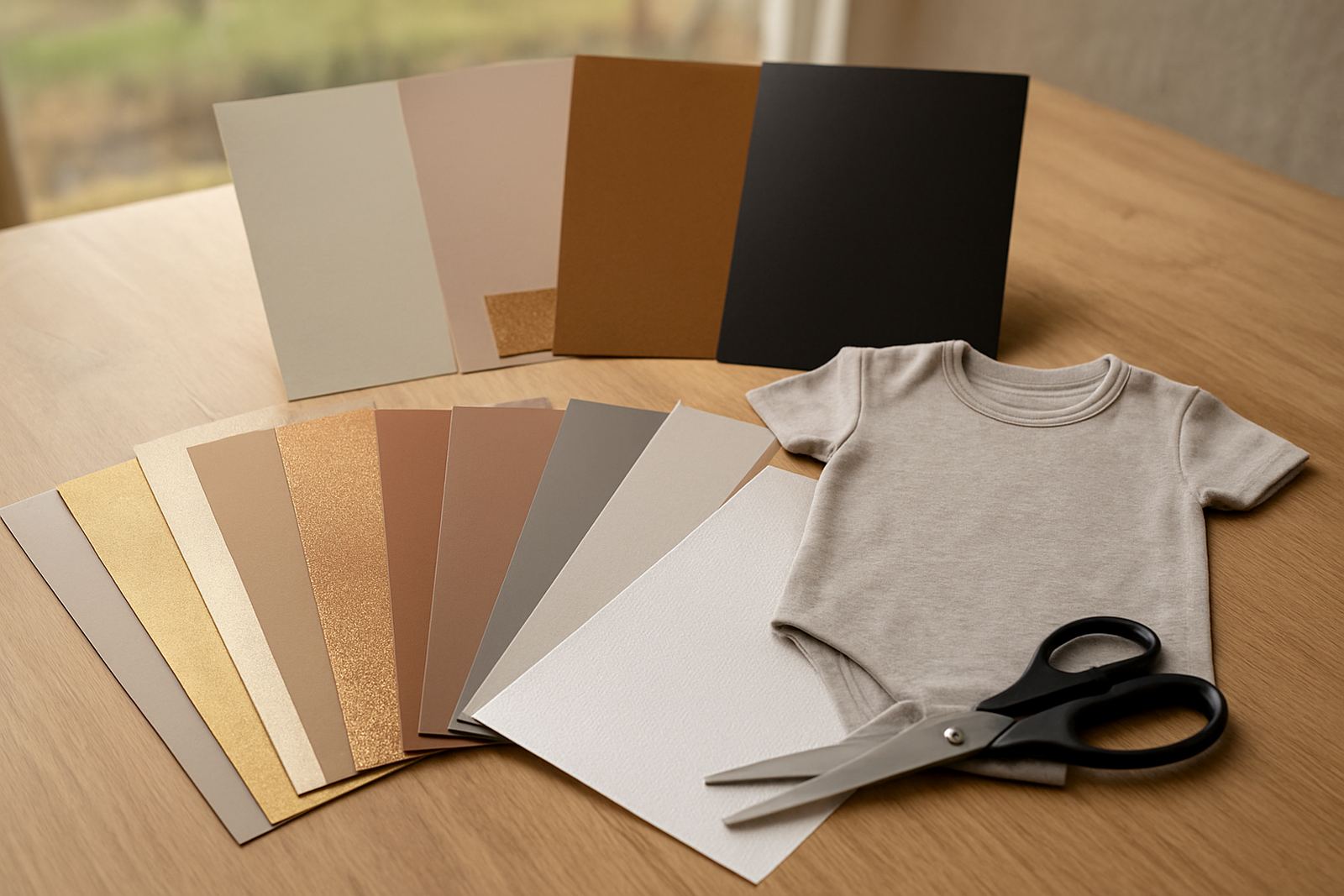
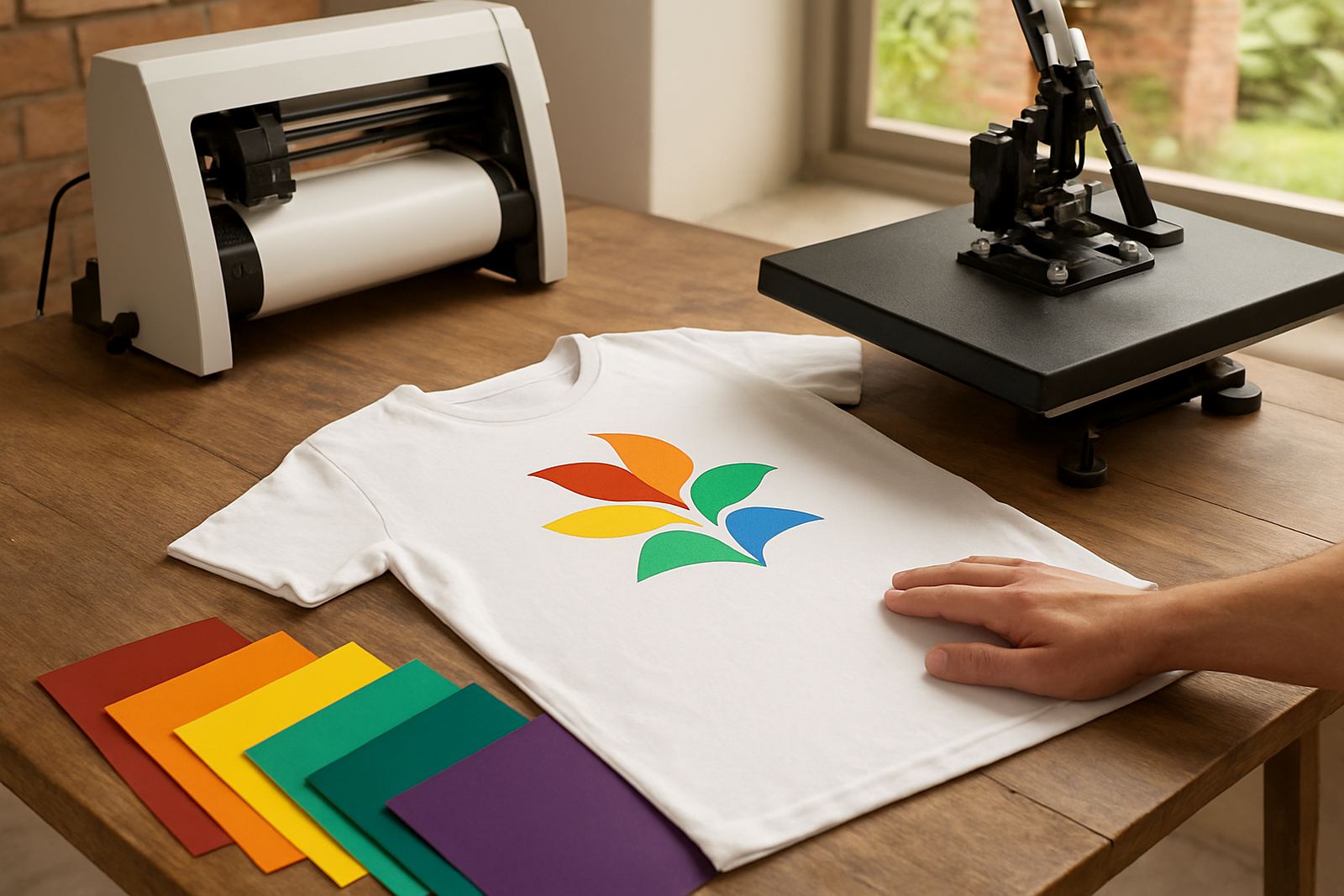
Not every heat transfer vinyl works the same way. Some films suit cotton T shirts, some work better on stretch fabrics, and some are made for simple lettering on tote bags or aprons. If you are cutting for gifts at home in Kya Sand or making stock for weekend markets in Pretoria East, the first step is matching the film to the material and the finish you want.
Our guides explain the common choices in plain terms so you can avoid wasting material. You will also learn how thickness, adhesive backing, and carrier film affect weeding and pressing. That matters when you are working in warm rooms in summer or storing rolls in a humid garage near the coast.
- Use a stretch film for garments that move and bend a lot.
- Choose standard HTV for cotton, canvas, and simple signage items.
- Keep a note of press time, temperature, and peel method for each material.
Cutting Settings That Save Material
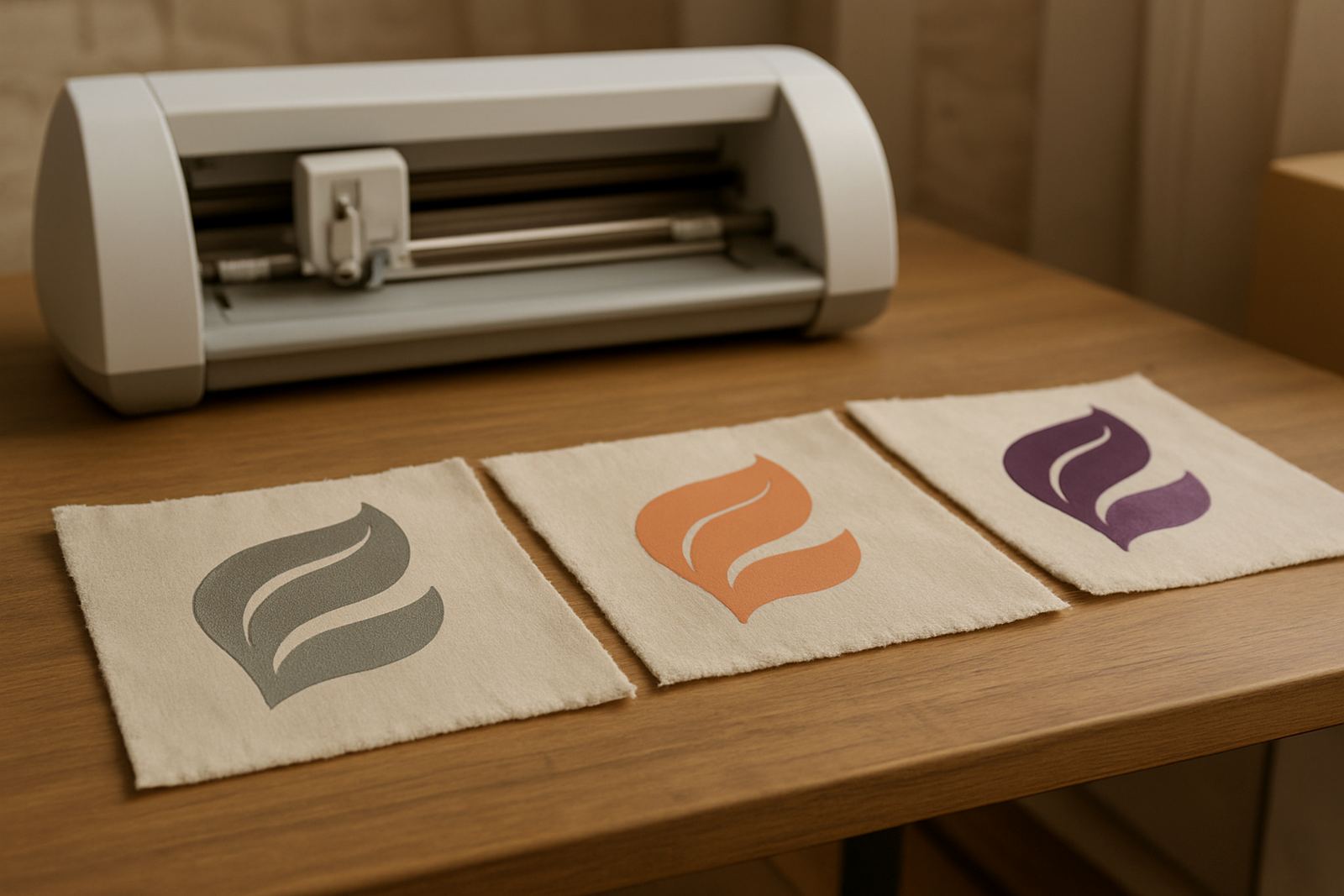
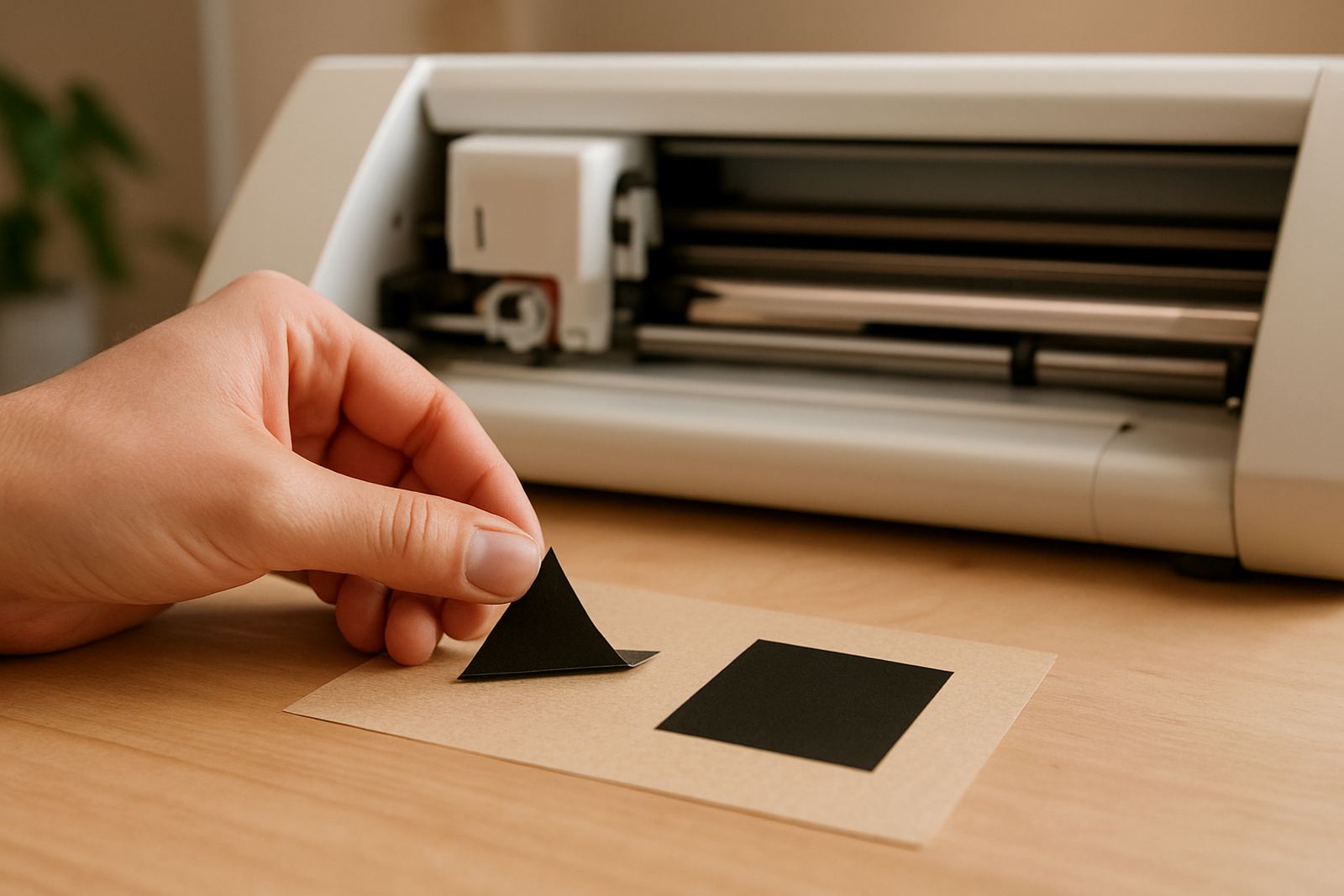
A clean cut starts with the right blade depth, pressure, and speed. Many first time users push the machine too hard, then end up cutting through the backing paper and wasting sheets. Our HTV guides show how to test a small corner first, then adjust one setting at a time until the cut is sharp enough to weed but not so deep that the film lifts early.
This is especially helpful for small businesses that need repeatable results. If you are running orders from Randburg or Midrand, a stable cut setting means fewer mistakes and less rework before delivery. It also helps when load-shedding interrupts a session and you need to resume without starting over.
- Test each new roll before a full job.
- Check that the blade holder is clean and seated properly.
- Use slower speeds for small letters and detailed logos.
Heat Pressing Without Guesswork
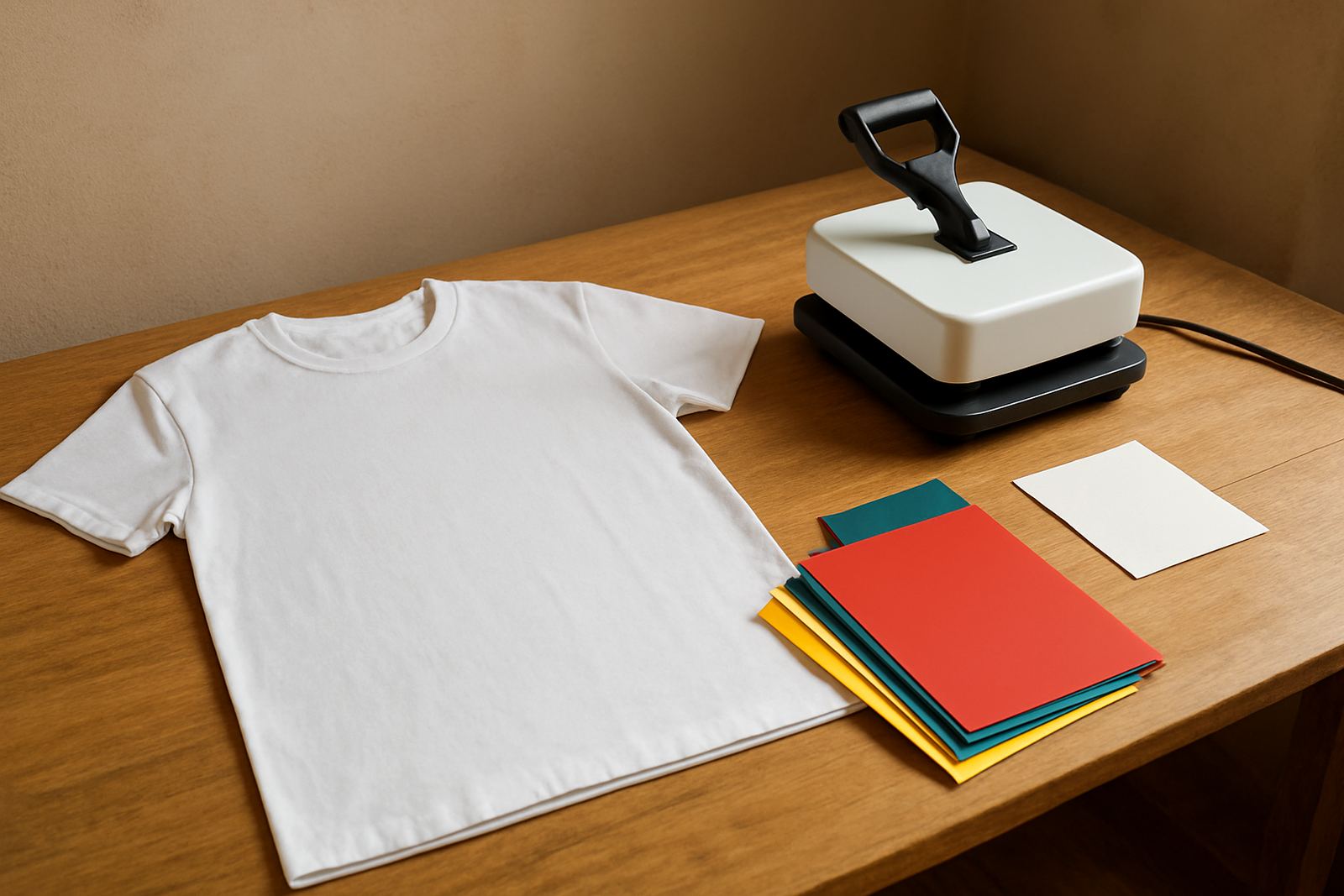
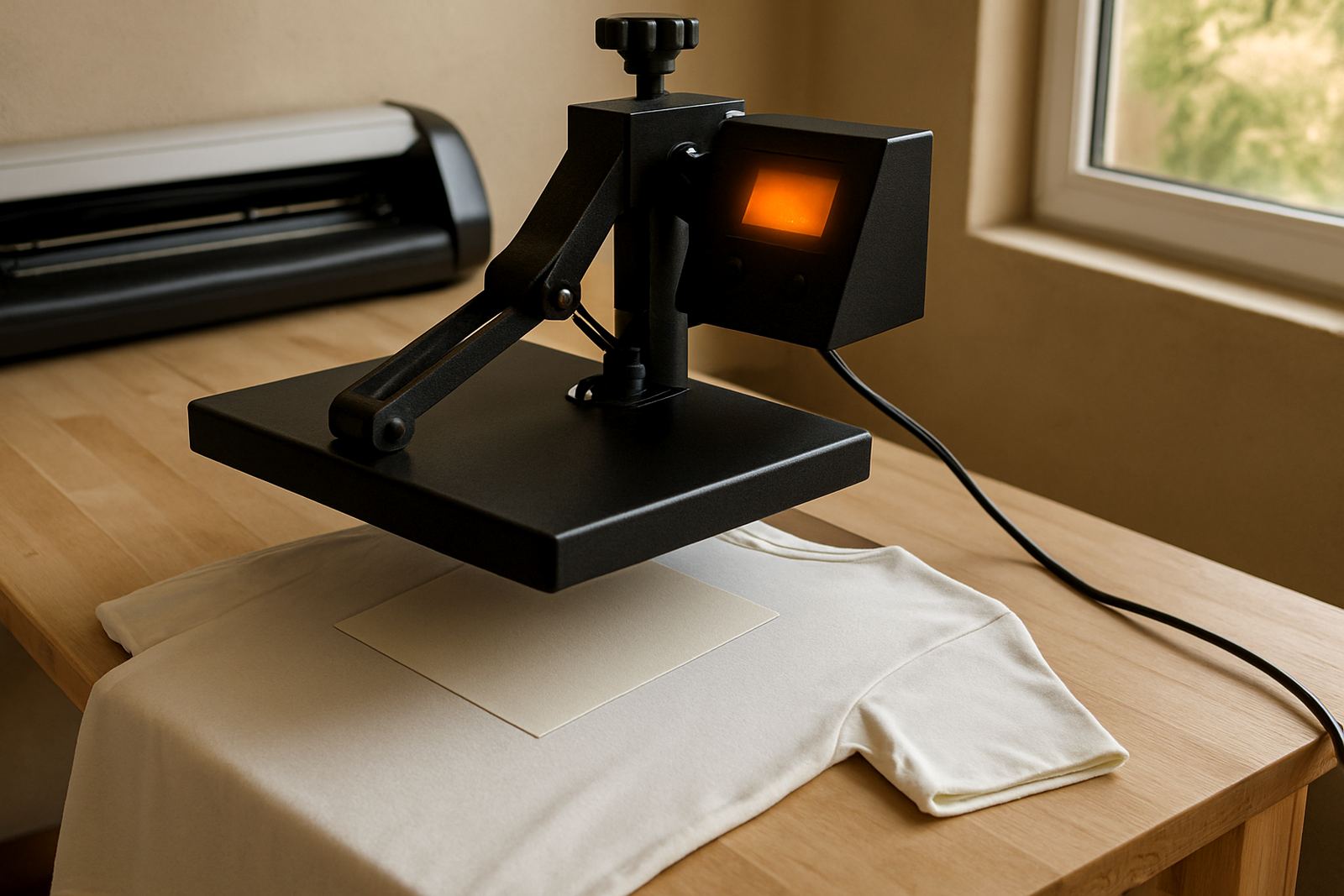
Pressing is where many problems show up. Too little heat and the vinyl lifts. Too much heat and the film can shrink, crack, or leave a shiny mark on the garment. Our guides explain how to prepare the garment, pre press it, and apply even pressure so the design bonds properly.
You will also find tips for working with home irons, swing away presses, and clamshell style presses. For crafters in colder areas like the Highveld, a short pre heat can make a real difference. In hot rooms or coastal humidity, you may need to store materials flat and keep them sealed to stop curling.
- Pre press the fabric to remove moisture and wrinkles.
- Keep pressure even across the full design area.
- Allow the garment to cool fully before peeling where needed.
Troubleshooting Common HTV Problems
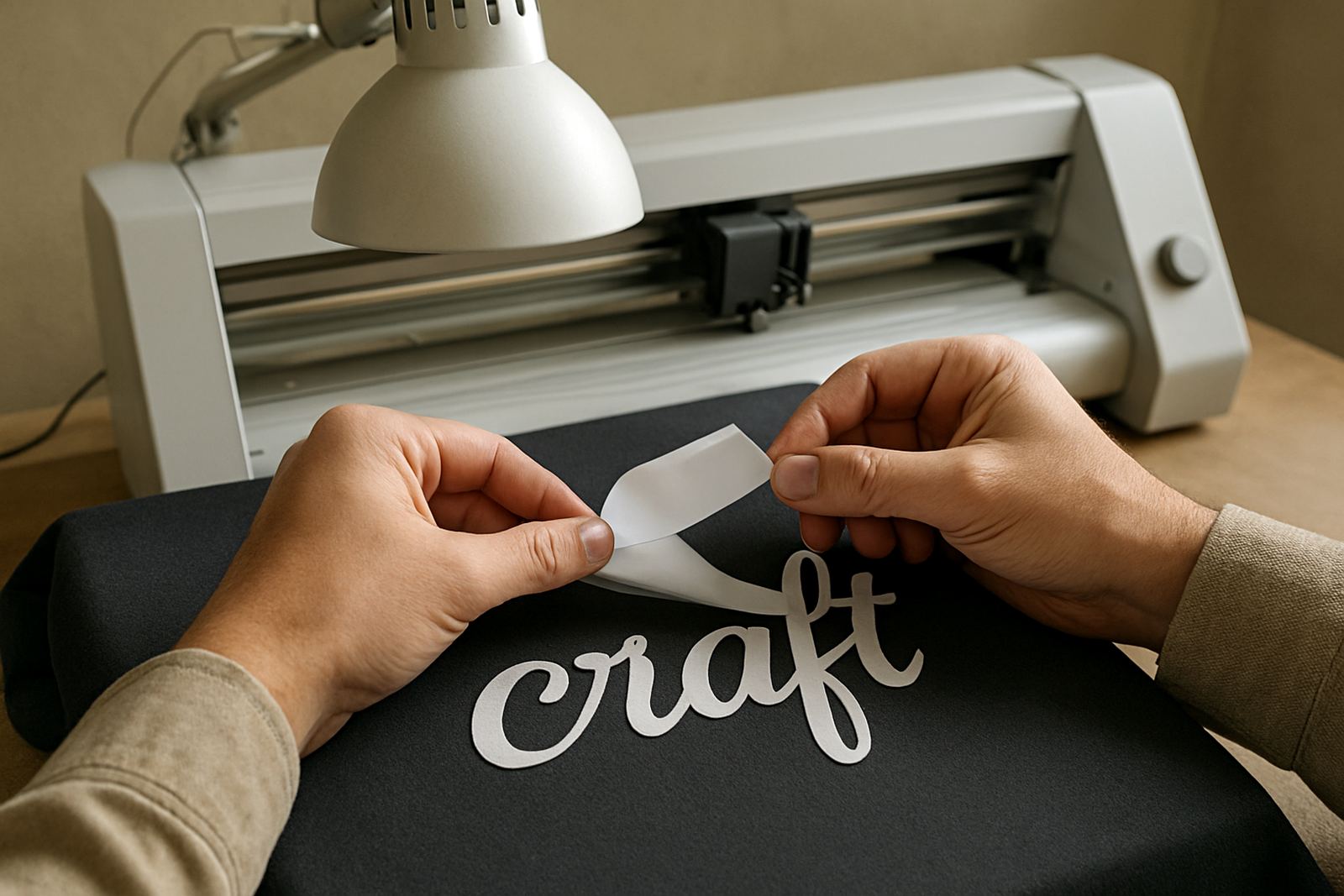
If your cut is not weeding cleanly or the vinyl lifts after washing, there is usually a simple cause. The issue may be a dull blade, the wrong temperature, an uneven press, or a film that does not suit the fabric. Our troubleshooting notes help you work through these problems step by step instead of changing everything at once.
We also cover issues that come up in real workshop use, like power cuts, dusty work surfaces, and rollers that pick up glue or fibre. A quick clean and a short test cut often solve more than people expect. If the design is failing on small text, the answer is often to simplify the artwork rather than forcing the machine to do too much.
- Check blade wear before blaming the material.
- Look for missing heat in the corners of the press.
- Reduce detail when working with very small lettering.
Care, Storage, and Machine Habits
Good results start before the cut and continue after the press. Keep HTV in a dry place, away from direct sun and dust, and store cut sheets flat so they do not curl. If you are operating from a home studio or a small shop in Roodepoort, a simple shelf and labelled folders can keep your colours sorted and ready.
We also explain basic cutter care such as cleaning grit, checking rollers, and making sure the carriage moves freely. These small habits protect your output and can prevent a costly breakdown later on. A few minutes of routine care each week is cheaper than replacing parts after a jam.
Find the Guide That Matches Your Level
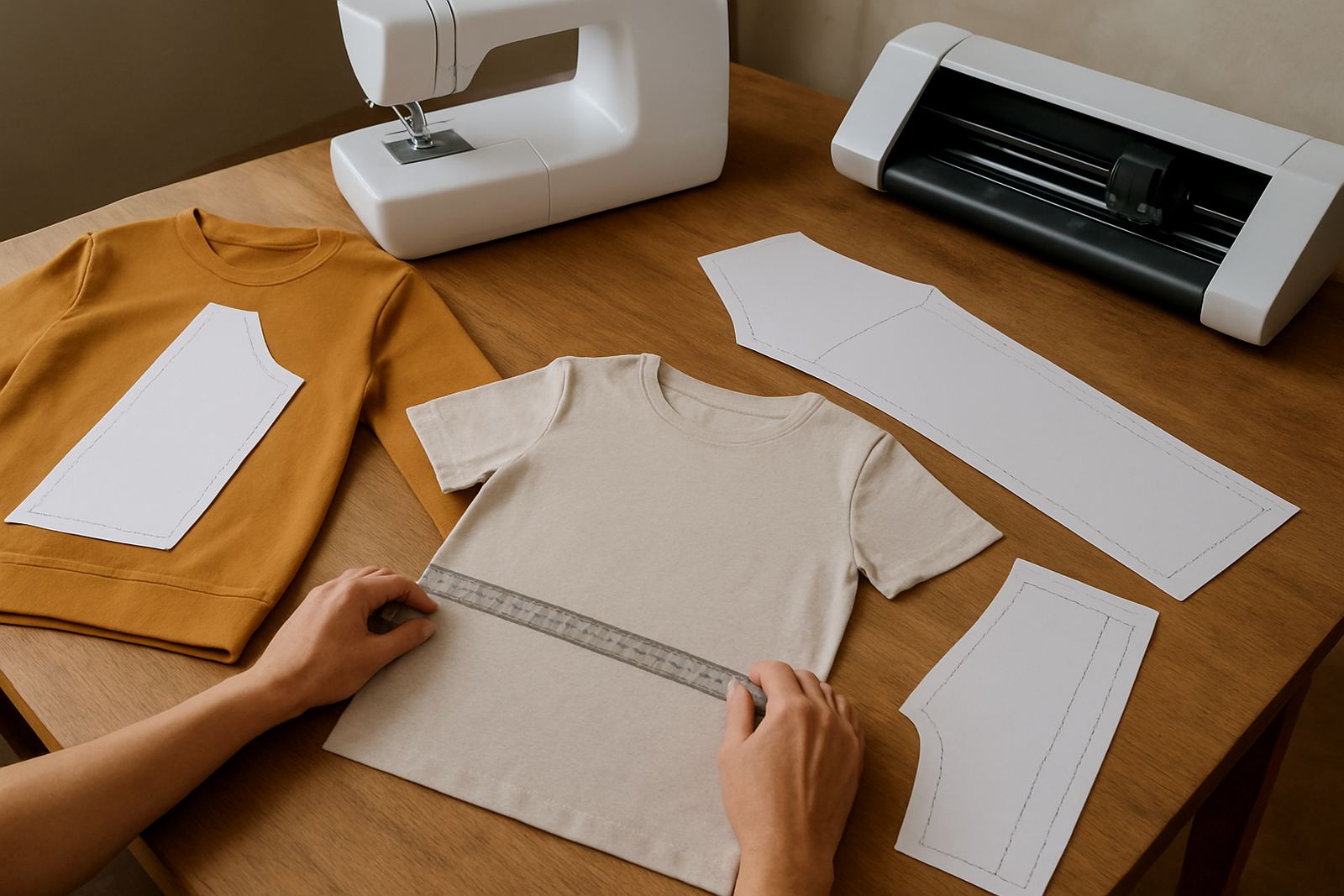
Blade calibration, HTV finishes and pressing basics all affect the end result. Move from beginner guidance to more technical support at your own pace. If you are new to cutters, start with setup and pressing basics. If you already sell printed garments, focus on cut quality, workflow, and repeat settings.
For South African crafters, practical advice matters because every workspace is different. A spare room in Sandton, a garden studio in Pretoria East, or a market table in Randburg all come with different power, space, and storage needs. Use the guides to build a process that suits your job and your budget.