A Practical Starter Pack for Daily Vinyl Work
The Basic HTV Pack gives you a small but useful range of heat transfer colours that suit everyday making. It is aimed at crafters in Johannesburg and across South Africa who want dependable vinyl for school wear, birthday shirts, team tops, market stock and short-run custom orders. The colours are chosen for general use, so you can keep a neat set on hand without buying large rolls of each shade.
This pack is best when you need to produce clear lettering and simple graphics on a regular basis. It works well for names on children’s clothing, event shirts, branded aprons, bags and light promotional items. If you are starting out, it helps you test layouts, heat press settings and cutting pressure without wasting material. The vinyl has a smooth finish and a clean weed, so the small details come out tidier when your blade is set correctly.
What Is in the Basic HTV Pack
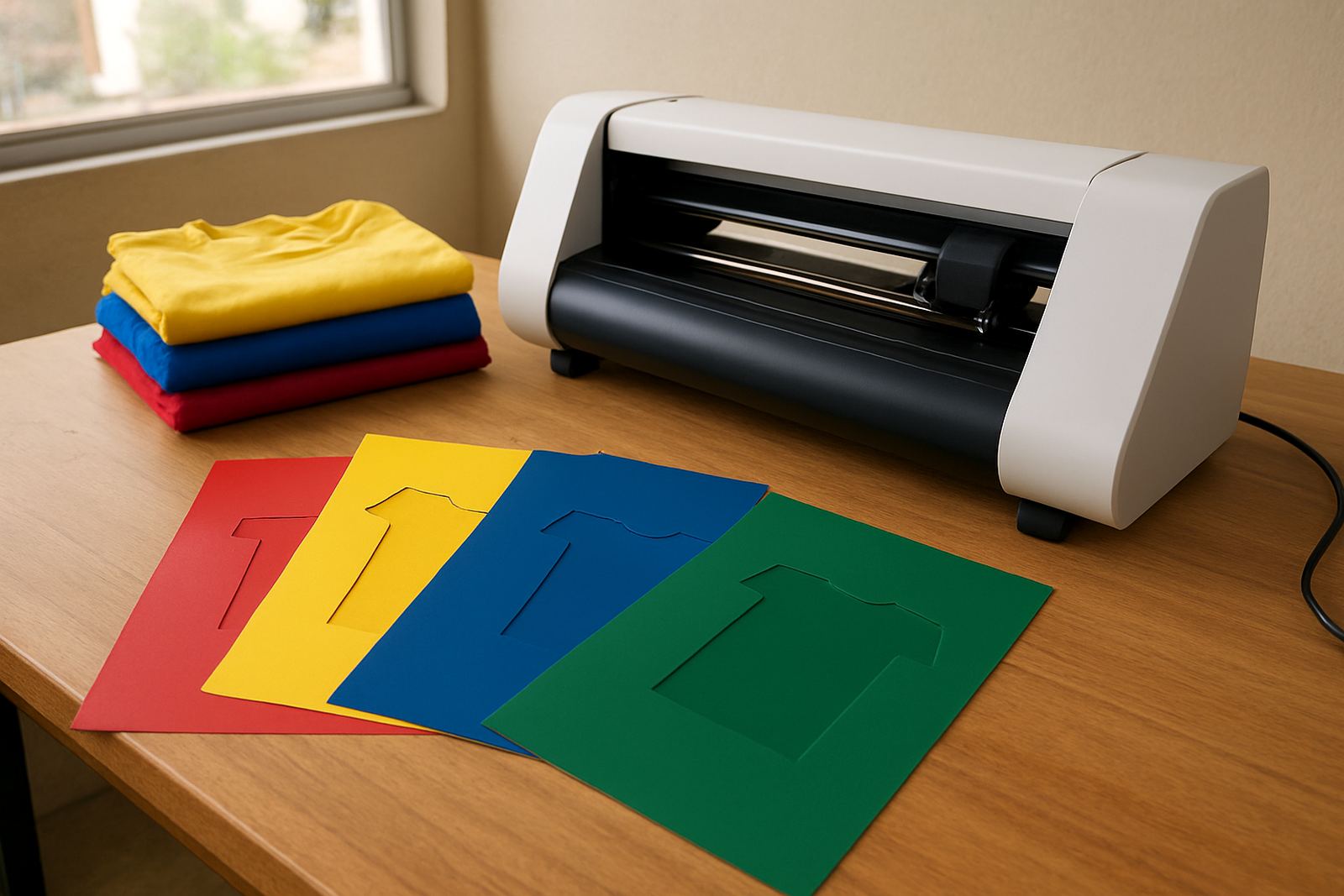
This pack is a selection of everyday heat transfer vinyl sheets or rolls, depending on the option you order. It is made for cutting on desktop craft cutters and applying with a household iron or, better still, a proper heat press. For most users, the pack is about keeping the common colours on hand for fast work rather than holding deep stock in every shade.
- Suitable for cotton, poly cotton and many treated fabric items
- Designed for names, numbers, logos and single layer text
- Works with standard craft cutter blades
- Good for small batch production and practice work
- Available in sheet or roll format on request
If you are cutting in a home studio in Sandton, a spare room in Midrand or a small workshop in Randburg, the pack gives you a tidy starting point. It also helps when you want to match a customer order without carrying too many slow-moving colours.
Sizes, Colour Options and Working Specs
The Basic HTV Pack is offered in practical sizes so you can use it on compact jobs or repeat orders. Sheet packs are ideal for test cuts and one-off items, while rolls make more sense if you press the same designs often. For most hobby users, 305 mm width works well with smaller desktop cutters. Shops that cut wider lettering may prefer 500 mm material if their machine can take it.
Typical application settings depend on the fabric and the press, but most standard HTV in this class is pressed at medium pressure and controlled heat. A clean surface, a stable press and a short cool-down before peeling are important. In humid coastal weather the backing can curl a bit, so keep the pack sealed and flat when not in use. Around Gauteng, especially during load-shedding, it helps to plan press time carefully so your temperature stays consistent.
- Common widths: 305 mm and 500 mm
- Common lengths: 1 m, 5 m and mixed sheet packs
- Press range: usually around 150 to 165 degrees C
- Press time: usually 10 to 15 seconds
- Peel type: hot or warm peel depending on the colour and finish
Where This Pack Suits Best
This is a sensible pack for small businesses, school fundraisers, hobby crafters and side-line makers who want straightforward heat transfer work. It suits plain T-shirts, workwear, aprons, shoppers, cushions and light décor items. If you sell at weekend markets in Pretoria East or take custom orders from Roodepoort and Midrand, the pack gives you enough versatility for repeat jobs without overcommitting your cash flow.
It is also a good fit when your client wants quick turnaround and simple branding. The colours are easy to pair with black, white and grey garments, which keeps ordering simple. For corporate or municipal work, always check the garment fibre content and whether the item has been treated for heat application. Some fabrics, especially coated synthetics, need extra testing before you press a full batch.
- Best for cotton and poly cotton garments
- Useful for school, sports and event branding
- Handy for short run production and sample sets
- Suitable for crafters selling nationwide
How to Cut, Weed and Press It Properly
For the best result, mirror your design before cutting because HTV is applied face down. Use a sharp blade, a firm cutting mat and a test cut first if your machine settings have changed. Small letters and fine lines weed more cleanly when the cutter is calibrated properly and the blade is not set too deep. If your machine is drifting or leaving jagged edges, check blade calibration and material grip before you waste more vinyl.
Press the item on a flat, dry surface and remove any moisture with a short pre-press. Position your design carefully, cover it with a protective sheet, then apply heat with even pressure. On thicker garments, give the press a second check so the corners have sealed down fully. In a home setup, an iron can work for simple items, but a heat press gives more even results and is easier when you are doing more than a few shirts.
- Mirror artwork before cutting
- Pre-press the garment for a few seconds
- Use even pressure across the full design
- Let the vinyl settle before washing
Care, Storage and Ongoing Machine Checks
Store the pack in a cool, dry place out of direct sun. Keep the sheets flat where possible, because heat and humidity can make the carrier curl. If you are working from Kya Sand or anywhere near the northern suburbs of Johannesburg, dust control matters too. Wipe your cutter rollers and feed path regularly so little bits of vinyl do not mark your next job.
For finished garments, wait at least 24 hours before the first wash. Turn items inside out and avoid harsh bleach, tumble drying on high heat or heavy scrubbing over the print. If a section lifts, do not keep pressing over and over without checking the cause, because the issue may be pressure, temperature or fabric prep. For local makers who want less downtime, regular blade checks and a clean heat press platen make a big difference.
Key facts
| Product type | Basic heat transfer vinyl starter pack |
|---|---|
| Use case | Names, slogans, logos and simple garment branding |
| Material compatibility | Cotton, poly cotton and many treated fabrics |
| Cutting method | Desktop craft vinyl cutter with standard blade |
| Application method | Household iron or heat press, heat press preferred |
| Typical press settings | 150 to 165 degrees C for 10 to 15 seconds, pressure varies by fabric |