What the Mini Heat Press is used for
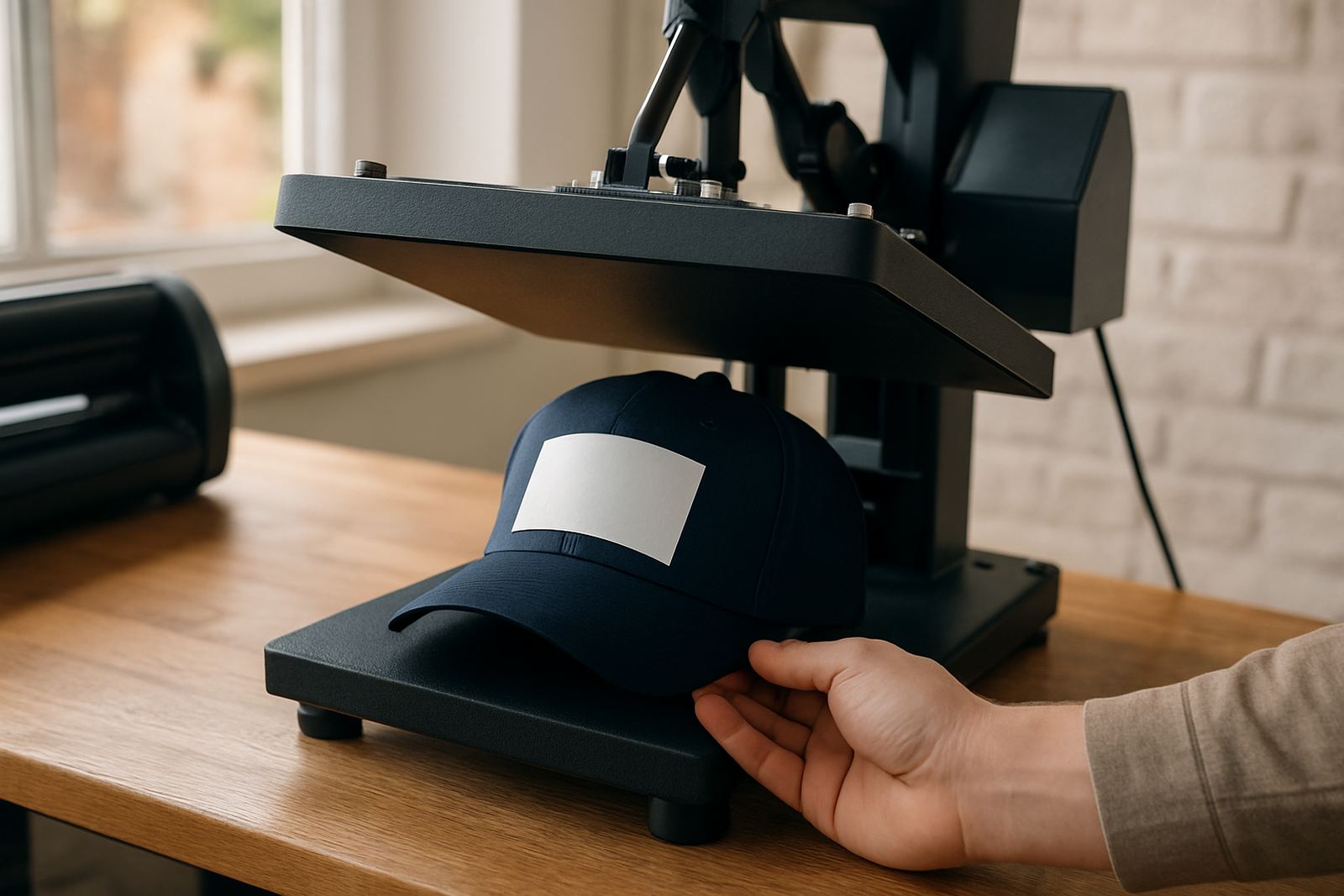
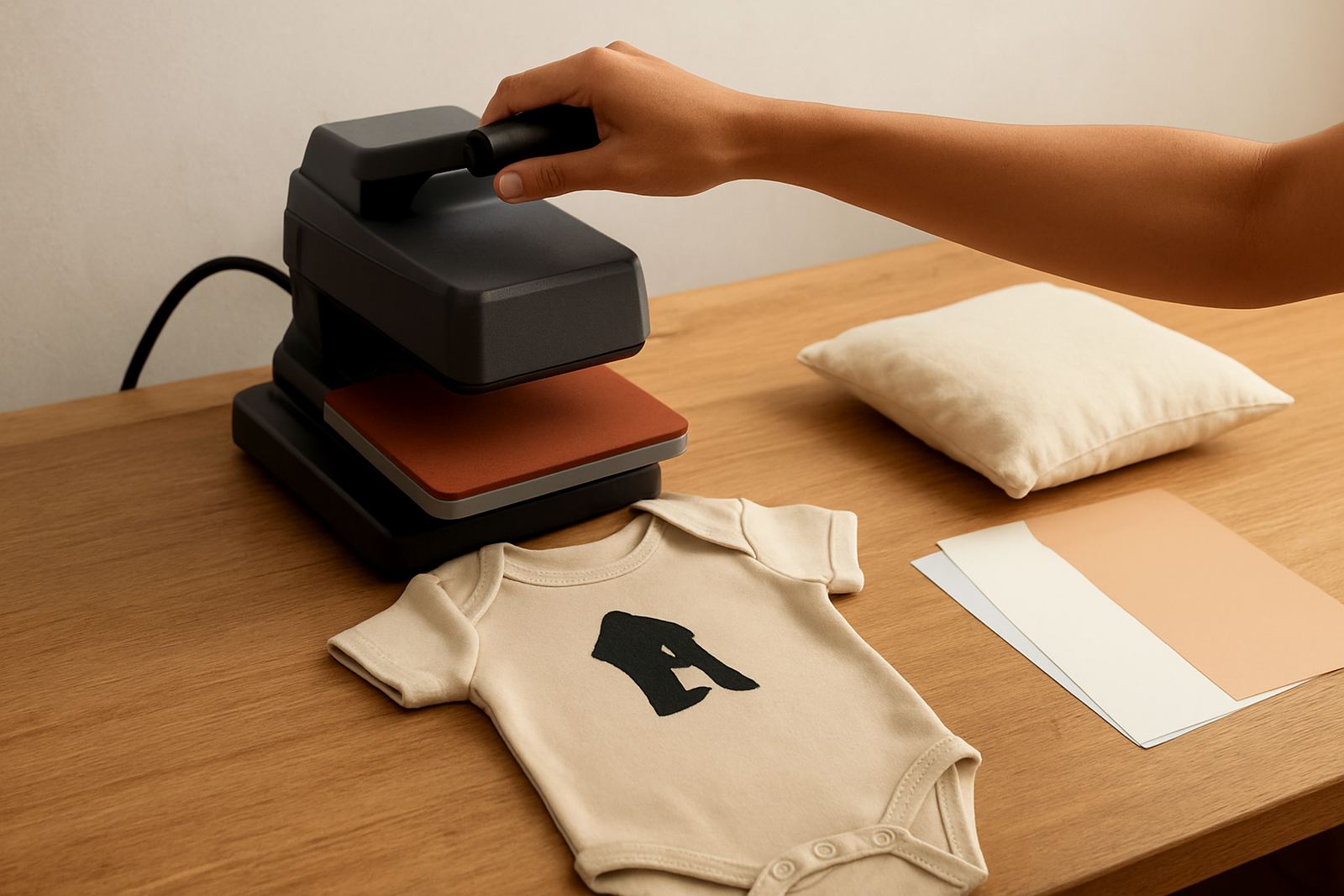
A mini heat press is a compact heated platen made for small transfers and awkward spaces. It is commonly used for left chest logos, baby grows, sleeve prints, tote bag corners, socks, caps, patch work and sample runs. If you work from home in Kya Sand, run a small online shop in Midrand, or do weekend market orders in Randburg and Sandton, this size is practical because it takes up very little room and warms up quickly.
It is not meant for full shirt fronts or large fabric panels. The value is in control. When you need to place heat in a narrow area, a smaller plate makes alignment easier and reduces wasted blanks. That helps with personalised gifts, small batch branding and repairs, especially when a customer wants one item done neatly and by tomorrow morning. A steady hand matters here, and a machine that is easy to move from one table to another also helps.
Sizes, options and typical specs
Mini presses come in a few common platen sizes, with the most useful for detail work usually around 6 x 6 cm, 9 x 9 cm and 10 x 10 cm. Some models have a narrow shoe shape for sleeves and seams, while others have a flat square plate for badges, labels and small graphics. The right choice depends on the kind of work you do most often. If you are pressing mostly baby wear and small names, a smaller head gives better visibility and less overlap onto seams.
Look for simple temperature controls, a timer if included, and a comfortable handle that is not too stiff. Most mini presses use standard household power, so you do not need special wiring or gas connections. That makes them useful during load shedding planning too, because many crafters run them on a small backup system or wait for power to return before a short production run. Good results come from stable heat, clean vinyl and the right pressure, not from forcing the press to do work it was never sized for.
- Compact platen for small transfer areas
- Suitable for heat transfer vinyl, small sublimation blanks and patch work where applicable
- Lightweight enough for mobile use or a home work area
- Manual pressure adjustment on most units
Where it suits your work best
This machine suits hobby makers, school fundraisers, baby clothing sellers and small businesses taking personalised orders. It is especially helpful where the transfer area is small and accuracy matters more than speed. If you make sleeve names, apron badges, soft toy labels or the tiny chest logos that sit just above a pocket, a mini press is easier to place than a big unit. The small footprint also helps in shared spaces where storage is limited.
Many customers use it alongside a larger press. The larger unit handles full fronts and back prints, while the mini press handles the finishing work. That split can improve workflow and reduce spoilage because you are not trying to line up a tiny decal under a big plate. It is also useful for sample approval before you run a bigger batch. A neat sample can save you from redoing a dozen items later, and that is just plain sensible business.
- Baby garments and toddler clothing
- Sleeves, cuffs and narrow seams
- Tote bags, caps and small accessories
- Repair jobs and short-run personalisation
Installation, power and workshop setup
Installation is straightforward. Place the press on a level, heat-safe surface with enough clearance around it so you can work without knocking into the handle. A firm table in a Kya Sand workshop, spare room or market prep area is usually enough. Keep the cord away from the hot plate and make sure the plug point can handle normal domestic current. No gas line, compressor or special extraction is needed. You only need a proper power supply and enough room to open and close the press safely.
If your business is affected by load shedding, plan your pressing around the time you have reliable power. Some operators pre-cut vinyl, weed designs and set garments aside before switching on the press, so the actual heat work is done in one run. A small press draws less than many larger workshop machines, but you should still avoid running it through overloaded extension leads. Good electrical habits help protect the element and thermostat. If you are unsure about setup, our team can talk you through new machine setup, software connection help where needed and workflow advice by phone or remote session.
Care, cleaning and routine servicing
To keep the plate clean, use a soft cloth once the machine has cooled down fully. Avoid scraping the surface with blades or metal tools because that can mark the coating and affect heat transfer. If adhesive builds up from vinyl or carrier sheets, remove it carefully with a cleaner safe for heated platens, then wipe dry. Do not soak the unit or spray liquid directly onto the electrics. In coastal humidity areas, always store the press in a dry room if possible, because moisture can shorten the life of switches and wiring.
Check the handle tension, temperature consistency and pressure feel from time to time. If the plate is heating unevenly or the settings are drifting, stop using it and ask for support. A small press should not need heavy servicing, but regular machine cleaning and basic checks do help it stay reliable. Keep a note of your usual pressing settings for different materials, because that makes repeat jobs faster and reduces guesswork. For workshop owners, a short monthly check is enough to catch wear before it becomes a bigger problem.
- Clean only when fully cooled
- Keep away from moisture and dust
- Test temperature on sample material if results change
- Store flat and protect the plate surface
What to check before you order
Before ordering, confirm the plate size you need and the type of products you want to press most often. Ask whether you need a flat square head, a narrow shoe shape or another small-format option. Check that the temperature range suits your vinyl and fabric types, and make sure the power plug is suitable for your workspace. If you sell locally in Pretoria East, Roodepoort or across Johannesburg, think about the items your customers buy most. A baby clothing seller needs a different setup from someone pressing sleeve names on team wear.
You should also check how the pressure is adjusted, whether a timer is included and what spare parts are available. Replacement parts help matters when a switch, cord or handle part wears out after regular use. If you already own a heat press, it is worth comparing the mini unit with your current workflow so you know where it adds value. We can help with blade calibration, material testing, heat press check and cut quality troubleshooting where your full process needs support. That way you buy the right tool first time, rather than guessing and hoping for the best.
- Confirm platen size and shape
- Check voltage and plug type
- Ask about pressure adjustment and temperature range
- Confirm support for spare parts and after-sales help
Support from our Kya Sand team
VinylCutter Craft supports crafters and small businesses nationwide from Kya Sand, Johannesburg, with help available for Randburg, Sandton, Midrand, Roodepoort and Pretoria East customers too. If you need guidance on setup, workflow or getting the best finish from small transfers, our team can assist with practical advice and machine checks. For order questions or support, send a message through our contact form and tell us what you are making, what material you are using and where the problem shows up. That gives us a clear starting point and saves time.
We work with people who need clear answers, not sales talk. Whether you are pressing your first baby onesie or running repeat orders for a small brand, the right machine choice and the right settings make the work easier. A compact press can become one of the most used tools in the room when it is matched to the job. The important thing is to buy for the work you actually do, not the work you hope will appear next month.
Key facts
| Product type | Mini heat press for small-format transfers |
|---|---|
| Platen size options | Common options around 6 x 6 cm, 9 x 9 cm and 10 x 10 cm |
| Power | Standard household electricity, typically 220V |
| Best use | Names, sleeves, baby garments, badges and small personalised items |
| Control | Manual temperature and pressure adjustment, timer on selected models |
| Support | Setup help, troubleshooting, parts guidance and remote support available |