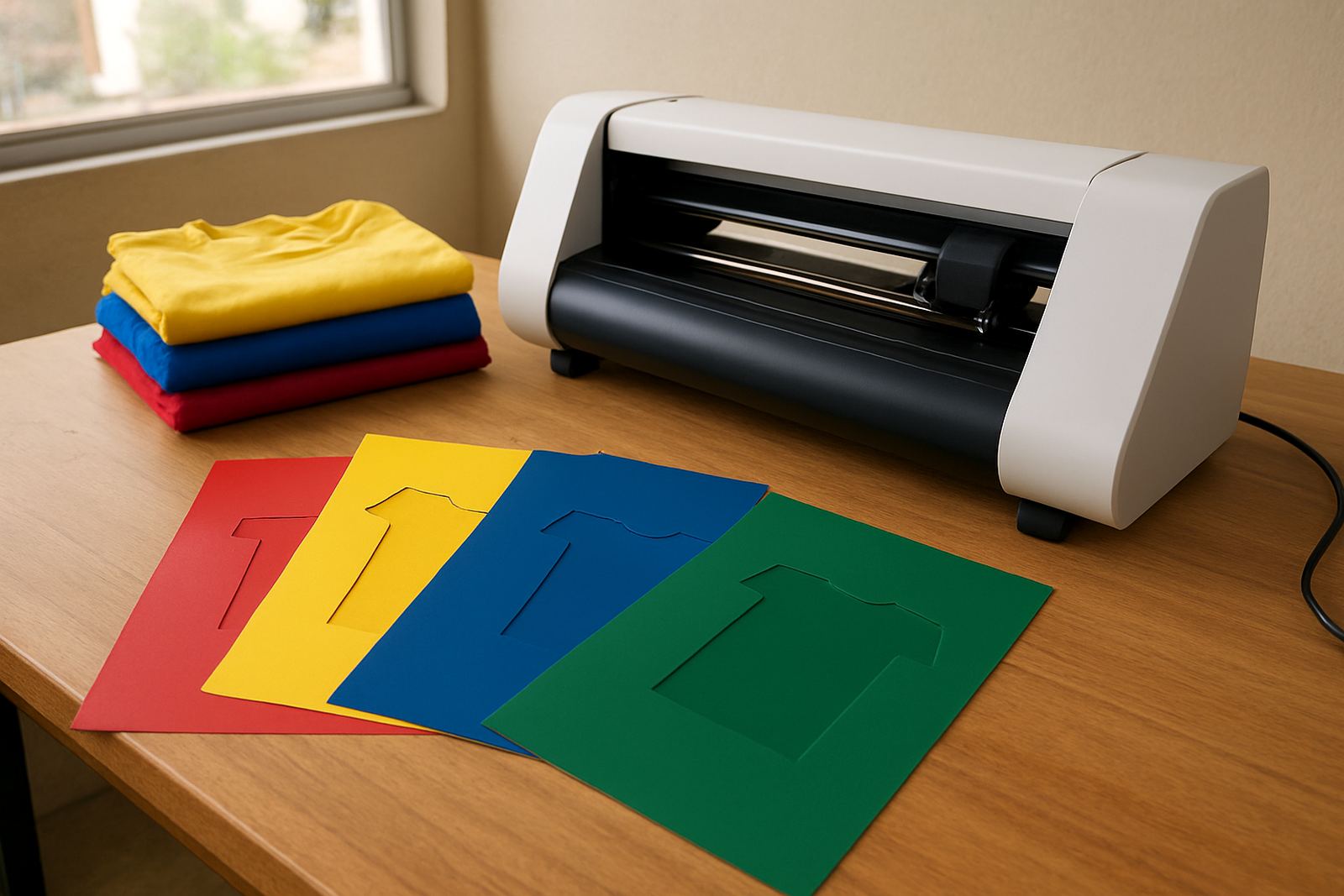

Why a deep cut blade matters on heavier craft stock
A deeper cutting blade gives you more reach through thicker, tighter-fibre materials that are common in sign prep, papercraft and short-run custom work. If you have ever had the machine score the surface but not fully release a shape, or if small corners keep tearing on the weed, this blade option can make a big difference.
The blade is suited to users who work with dense cardstock, stencil vinyl, packaging board, magnet-backed craft stock and other heavier media within the machine's supported range. It is not a general purpose blade for every job. For thin vinyl, standard HTV and light papers, a regular blade is usually the better choice because it gives less drag and a longer cutting life.
For Johannesburg workshops, home studios in Randburg or small side businesses in Pretoria East, the main benefit is control. You get cleaner point cuts, better detail on lettering and less need to rerun the same job. That can save material when you're working with limited sheets and there's no room for waste.
Sizes, fitment and blade options to check
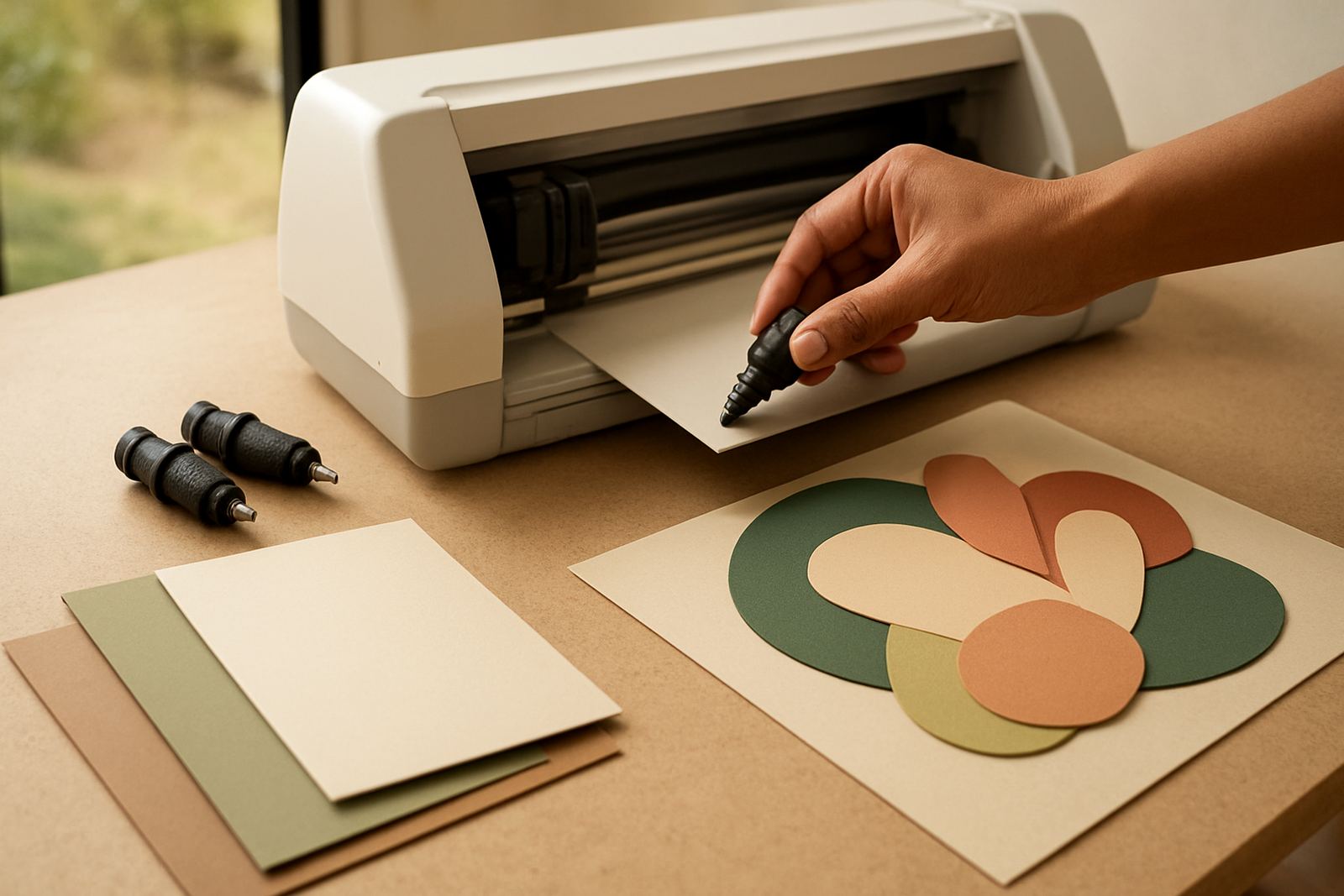
Deep cut blades are typically supplied in a format that fits the machine carriage used on desktop craft cutters. The important detail is compatibility, not just the blade depth. Before ordering, check the holder type, blade housing style and whether your cutter accepts a deeper profile blade without interfering with the cutting mat or pinch rollers.
- Blade type: deep cut profile for thicker media
- Typical use: dense cardstock, stencil stock and light craft board
- Fitment: depends on cutter carriage and holder compatibility
- Use range: best for small detailed jobs and medium thickness materials
- Replacement style: blade only, or blade with housing if required
When in doubt, compare the blade holder with the one already in your machine. A unit that fits one desktop cutter may not suit another, even if the machines look similar. If you are ordering for a workshop with more than one cutter, note the model separately so the right fit is supplied first time.
Best jobs for dense cardstock, stencils and short-run cuts
This blade is a practical choice for craft users who cut items that need a cleaner edge than a standard blade can manage. It is especially useful where the material is firm, slightly fibrous, or has a coated face that can lift if the blade is too shallow.
- Invitation inserts and luxury card pieces
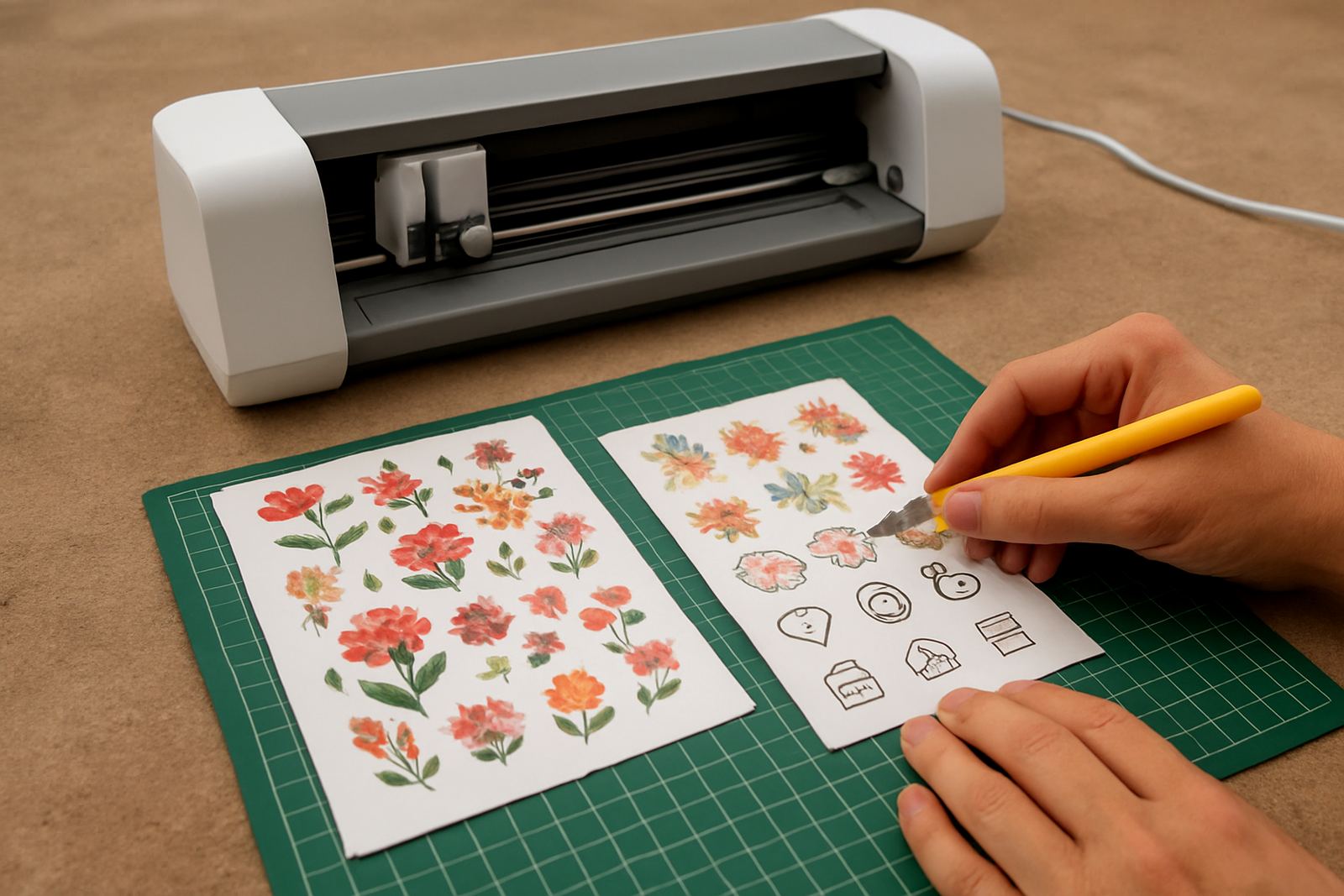
- Stencil sheets for paint, ink and etching layout
- Packaging mock-ups and sample fold lines
- Custom labels and tags on heavier stock
- Small business craft runs where repeatability matters
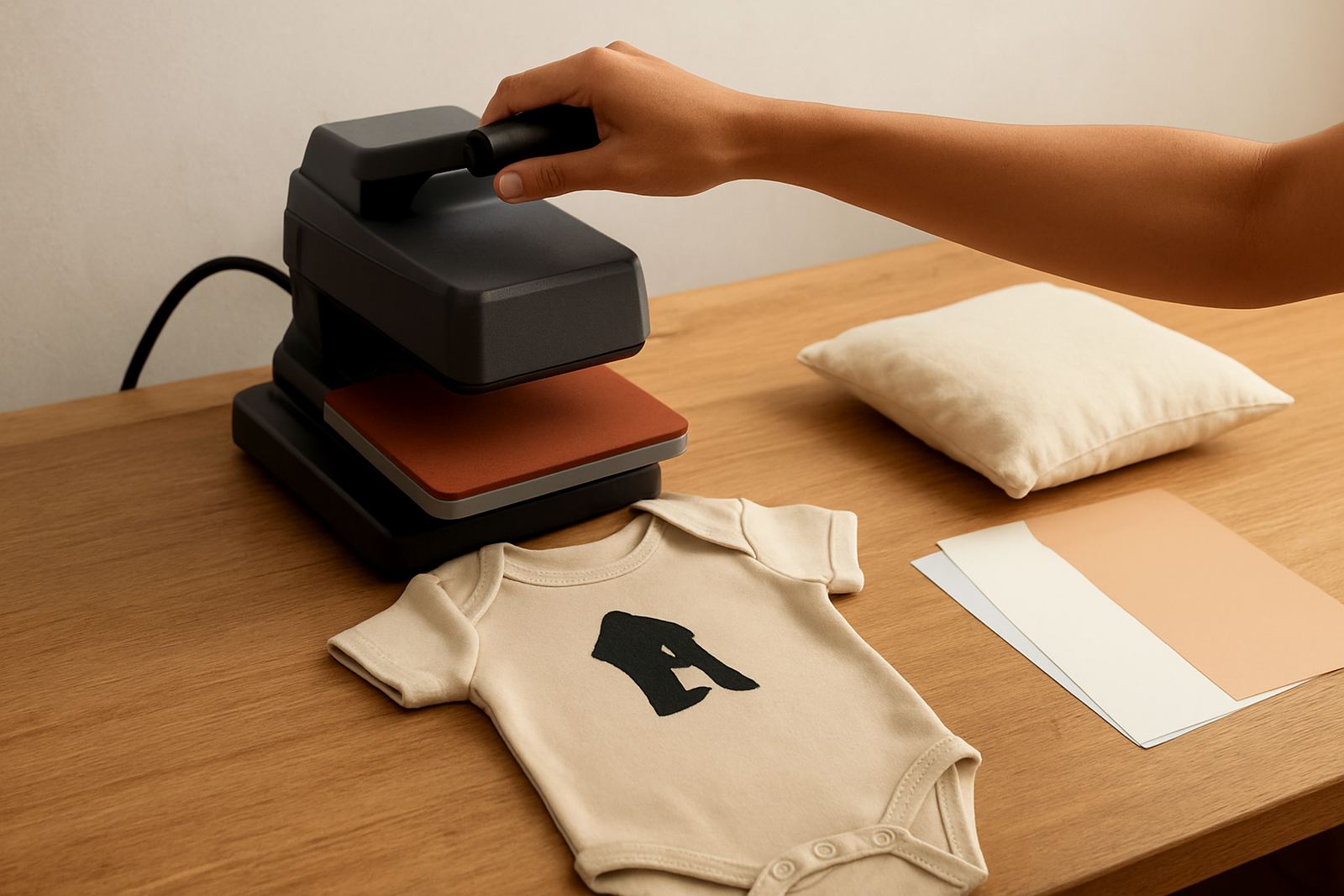
For heat transfer work, the blade is not for cutting the HTV itself, but it can help with backing paper or accessories used in your workflow. If you also run apparel jobs, it helps to keep one blade for fine vinyl and one for heavier material so you do not blunt your main cutter too quickly. That small discipline can extend the life of your tools and keeps cuts more consistant.
How to install the blade and set it up correctly
Installation is usually straightforward, but the key is to handle the blade carefully and set the depth slowly. A deep cut blade does not need to protrude far. In fact, too much exposure can lift corners, scar the cutting strip and shorten the blade life.
Fit the blade holder into the carriage, secure it firmly and then test on a scrap piece before starting the main job. Start with a lighter pressure setting and increase only as needed until the material releases cleanly. If your machine supports it, use a test cut to confirm the corner, circle and triangle shapes are all separating properly.
- Keep the blade exposure as short as possible
- Use a scrap piece for first tests
- Check pressure before cutting the full sheet
- Make sure the mat grip suits the material weight
- Recheck after any software or tool change
If the blade starts dragging, lifting the edge or leaving fuzz at the corners, stop and recheck the depth before continuing. Small adjustments often solve the problem quickly, and there's no need to force the machine through a setting that is too aggressive.
Care, servicing and replacement habits that save money
Deep cut blades work best when they are clean and stored properly. Dust, paper fibres and adhesive residue can collect around the blade tip and holder, which affects the cut quality. Wipe the housing after heavy use and keep the blade capped when not in use.
For businesses in coastal areas such as the wider KwaZulu-Natal region, humidity can also affect storage. Keep blades in a dry container rather than leaving them in an open drawer near windows or washing areas. In Johannesburg, where workshop dust is common, regular cleaning matters just as much.
Replace the blade when it begins to snag, requires noticeably more pressure, or leaves ragged edges even after calibration. Do not wait until it fails completely. A worn blade can damage material and create extra waste, which becomes expensive when you are running repeated jobs or working to a deadline.
What to verify before ordering your cutter
To avoid the wrong fit or the wrong cut depth, it helps to have a few details ready before ordering. That is especially important if you are buying for a school, church group, print room or a small team where the machine may already be in daily use.
- Machine model and carriage style
- Material type and thickness you plan to cut
- Whether you need blade only or holder plus blade
- Expected use, hobby work or repeat business cutting
- Any current cut issues such as tearing, lifting or partial cuts
Our team in Kya Sand can help you match the blade to the way you work, whether you are setting up a new machine, checking cut quality or trying to improve an existing workflow. We also assist with software connection help, blade calibration and remote support sessions when you need practical guidance.
Key facts
| Product type | Deep cut replacement blade set for desktop craft cutters |
|---|---|
| Material use | Dense cardstock, stencil stock, light craft board and thicker support media |
| Compatibility | Depends on carriage and holder style, confirm before ordering |
| Blade purpose | Cleaner cutting on heavier craft materials with less tearing |
| Installation | Manual fitment into the cutter holder, then pressure and test cut setup |
| Care | Clean after use, store dry, replace when drag or ragged edges appear |