
What a stencil making cutter does for local makers
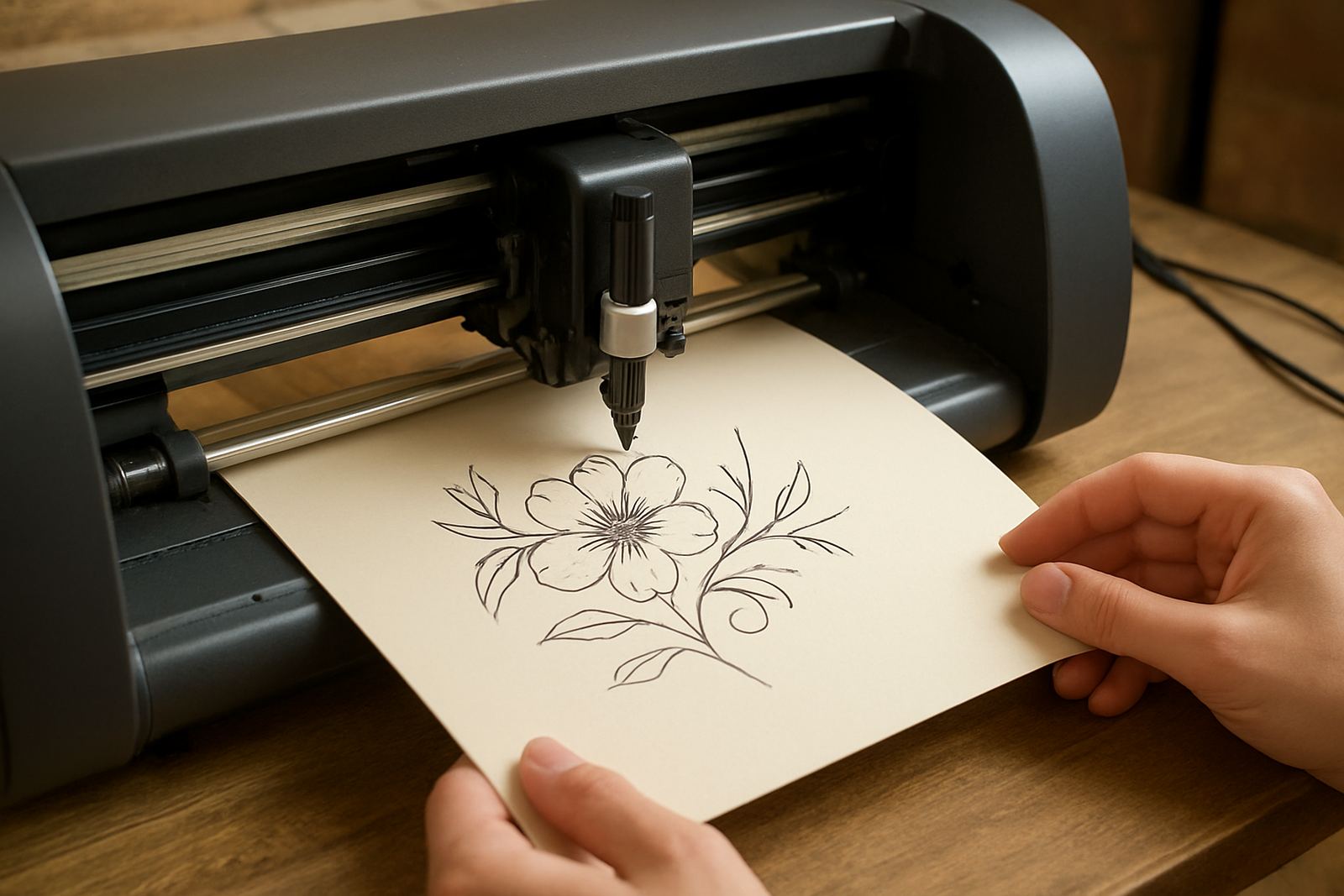
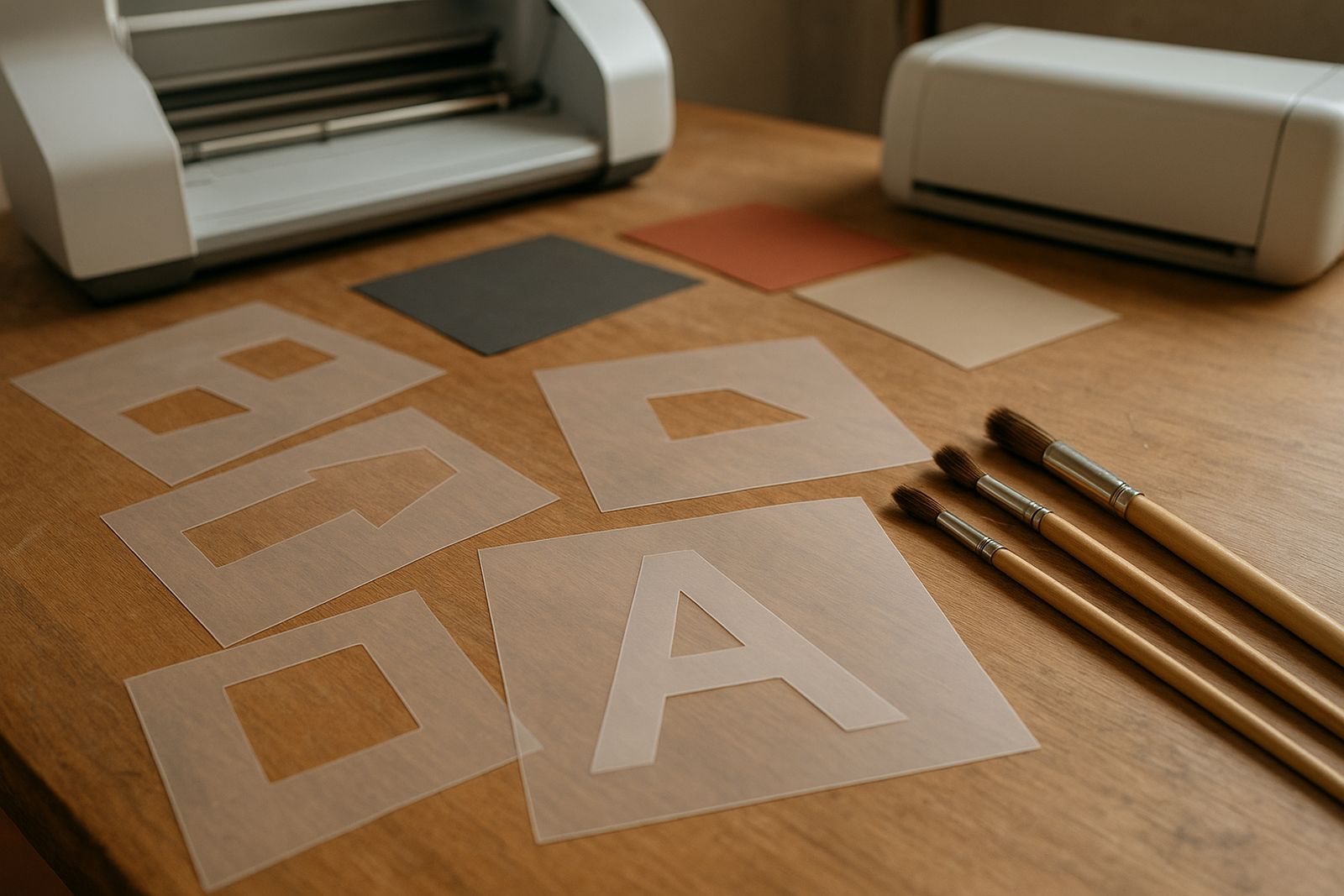
A stencil making cutter is a desktop cutting machine set up for thin, reusable stencil films and sheet materials used in craft work. It cuts letters, logos, patterns and simple shapes with enough accuracy for work that must line up cleanly on walls, packaging, cakes, boards and display pieces.
For hobby users it helps turn a hand drawn idea into a usable stencil without hours of trimming by hand. For small businesses it gives better repeatability when the same design has to be used again and again. That matters when you are working from home in Randburg, from a studio in Sandton or from a workshop in Kya Sand where space is tight and orders still need to move.
These cutters are suited to light production rather than heavy industrial sign cutting. The focus is on fine control, neat edges and simple day to day use. If you need a machine for stencil film, adhesive stencil sheets or other craft grade media, this type of cutter is often the most practical option.
Sizes and options to match your work
Stencil making cutters are usually chosen by cutting width, software use and how much material you want to process in one job. A smaller machine is easier to keep on a table at home, while a wider unit gives more room for larger wording or repeated batch jobs.
- Compact desktop cutters for small craft rooms and occasional use
- Mid size cutters for regular stencil batches and small business orders
- Wider cutting widths for larger layouts, repeated text and wider artwork
- Manual roller or pinch feed systems for thin sheet material
- Simple software connection for layout, sizing and repeat cuts
When comparing options, look at the usable cutting width rather than only the outside size of the machine. Also check the clearance for the roll or sheet you plan to use. A machine that fits a narrow shelf may still struggle if your artwork needs wider margins. For bakers making cake stencils or decorators producing recurring wall motifs, a mid size cutter often gives the best balance between speed and space.
Where this cutter suits best
Stencil cutters are useful in a wide range of practical jobs. They are especially handy where a clean outline matters and the same pattern must be used more than once. Many South African customers use them for home studios, market businesses and small production rooms where load-shedding and limited floor space are part of the daily routine.
Common uses include decorative painting, sign making, cake stencil work, packaging decoration and event branding. The machine also suits training rooms, craft groups and side hustles that need to keep supply costs under control.
- Reusable wall and furniture stencils for décor work
- Painting guides for signs, menu boards and labels
- Baking stencils for icing sugar, cocoa and spray finish work
- Short run craft production for markets and online orders
- Workshop use where a neat repeat cut is needed often
If you are based near Pretoria East, Midrand or Roodepoort, a cutter like this is easy to work into a small workshop setup. It does not require special utilities, just a steady bench, a clean surface and a careful operator.
Installation, power and working space
These cutters are generally simple to set up, but a proper installation saves time later. Place the machine on a flat, stable table with enough room for material in front and behind the cutter. If your workspace is in Kya Sand or another industrial area, dust control is worth attention because fine dust can affect rollers, blades and media feed.
Most desktop stencil cutters run on standard single phase power, which makes them suitable for home workshops and small business premises. A surge protector is a good idea in areas affected by load-shedding and power return spikes. If you use a computer nearby, keep the cutter and the computer on clean power where possible. No gas supply is needed, and there is no special water connection required.
- Use a level bench and leave space for feed-in and feed-out material
- Keep the blade area clean and store spare blades in a dry place
- Allow for a laptop or control computer if your setup uses one
- Use surge protection and proper shutdown steps during outages
For coastal users, keep the machine dry and covered when not in use because humidity can affect blades and sheet material. Inland workshops still need regular dust cleaning, especially if cutting near open doors or sanding tools.
Care, blade life and routine servicing
Good care keeps cut quality consistent and reduces wasted stencil material. The blade should be checked often, especially when you start seeing ragged corners, tearing on fine details or incomplete cuts. Most of the time the issue is blade wear, pressure setting or a dirty cutting path rather than a major fault.
Routine cleaning matters. Wipe the rollers, clear off offcuts and keep the carriage area free of dust and adhesive residue. If you cut frequently, it is worth checking calibration and alignment now and then so the machine keeps tracking properly. A small shift can affect detail work more than people expect.
VinylCutter Craft supports stencil cutter users with New Machine Setup, Blade Calibration, Material Testing, Software Connection Help, Cut Quality Troubleshooting, Heat Press Check, Routine Machine Cleaning, Replacement Parts Help, Remote Support Session and Workflow Help. That support is useful when a machine is new, after moving it between rooms or if cut quality changes after a power interruption.
For busy users, a short service routine every few weeks can prevent bigger downtime later. Clean the rollers, inspect the blade holder, check the pinch pressure and confirm the software settings before starting a longer job. It sounds simple but it saves material.
What to check before you order
Before placing an order, make sure the cutter matches your material and the kind of work you want to do. A stencil machine that is right for thin baking film may not be the best choice if you plan larger wall stencils or repeated sign work. It helps to think through your actual jobs, not only the sample pictures.
- What stencil material will you cut most often
- How wide your largest design needs to be
- Whether you need a desktop unit or a wider cutter
- What computer or software setup you already use
- How often you plan to cut in a week
- Whether you need help with training or first setup
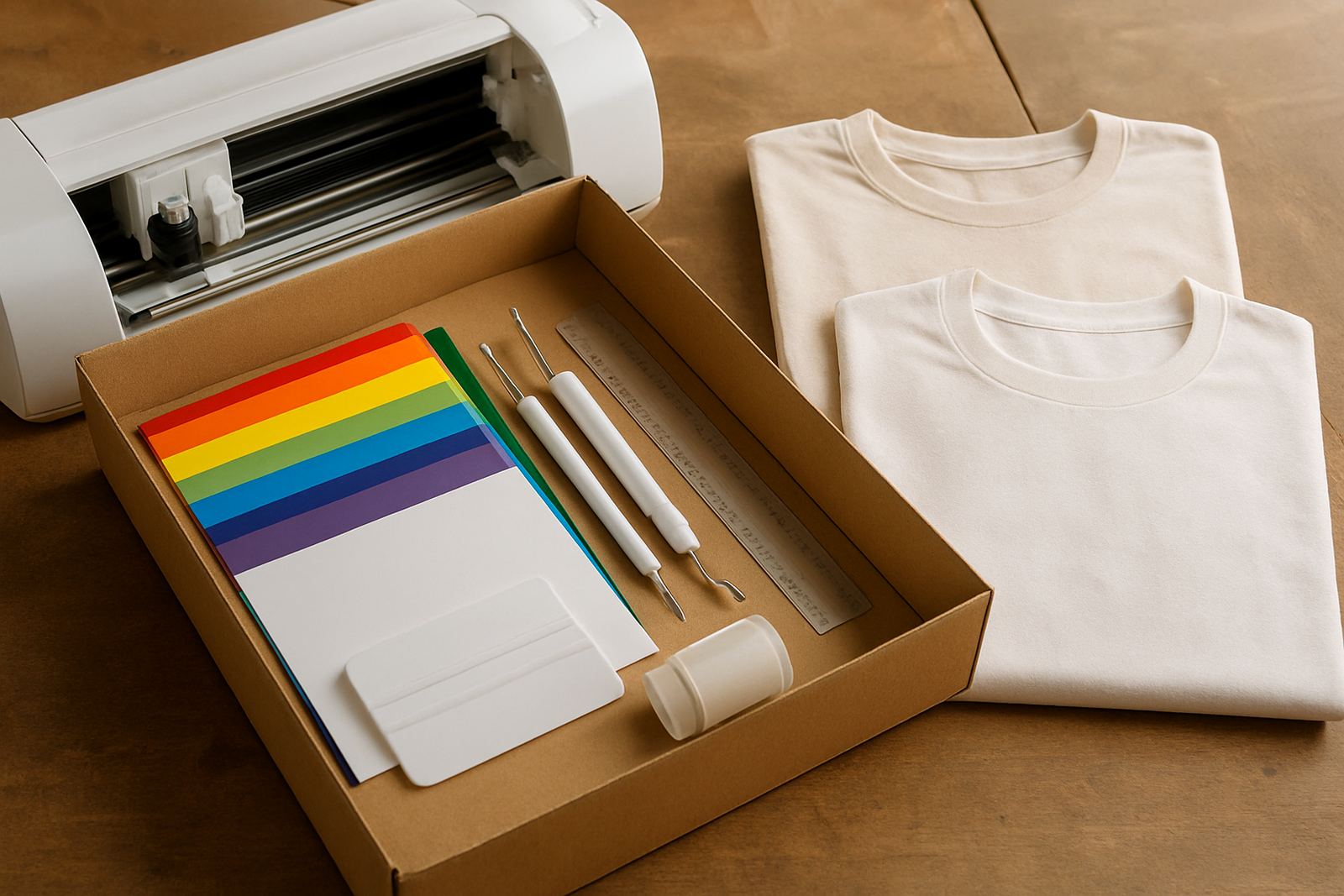
Also check whether you need spare blades, replacement mats or a heat press if you will pair stencil work with other craft output. If you are based in Johannesburg, Randburg, Sandton, Midrand, Roodepoort or Pretoria East, local support can make the first few jobs easier. For customers outside Gauteng, remote help still keeps things moving when a setting needs to be sorted quickly.
If you are unsure which model fits your work, it is better to match the machine to your material thickness and output level from the start. That avoids waste, extra wear and a lot of re-cutting later on.
Key facts
| Cutting type | Desktop precision cutter for reusable stencil materials |
|---|---|
| Typical use | Décor, sign painting, baking crafts and small production |
| Cutting width options | Compact to wider desktop sizes depending on model |
| Power needs | Standard single phase mains power is suitable for this stencil-making cutter, with surge protection recommended |
| Installation | Flat bench, clean dry space, no gas or water required |
| Support options | Setup, calibration, troubleshooting, remote support and workflow help |