Built for mobile making and small workspaces
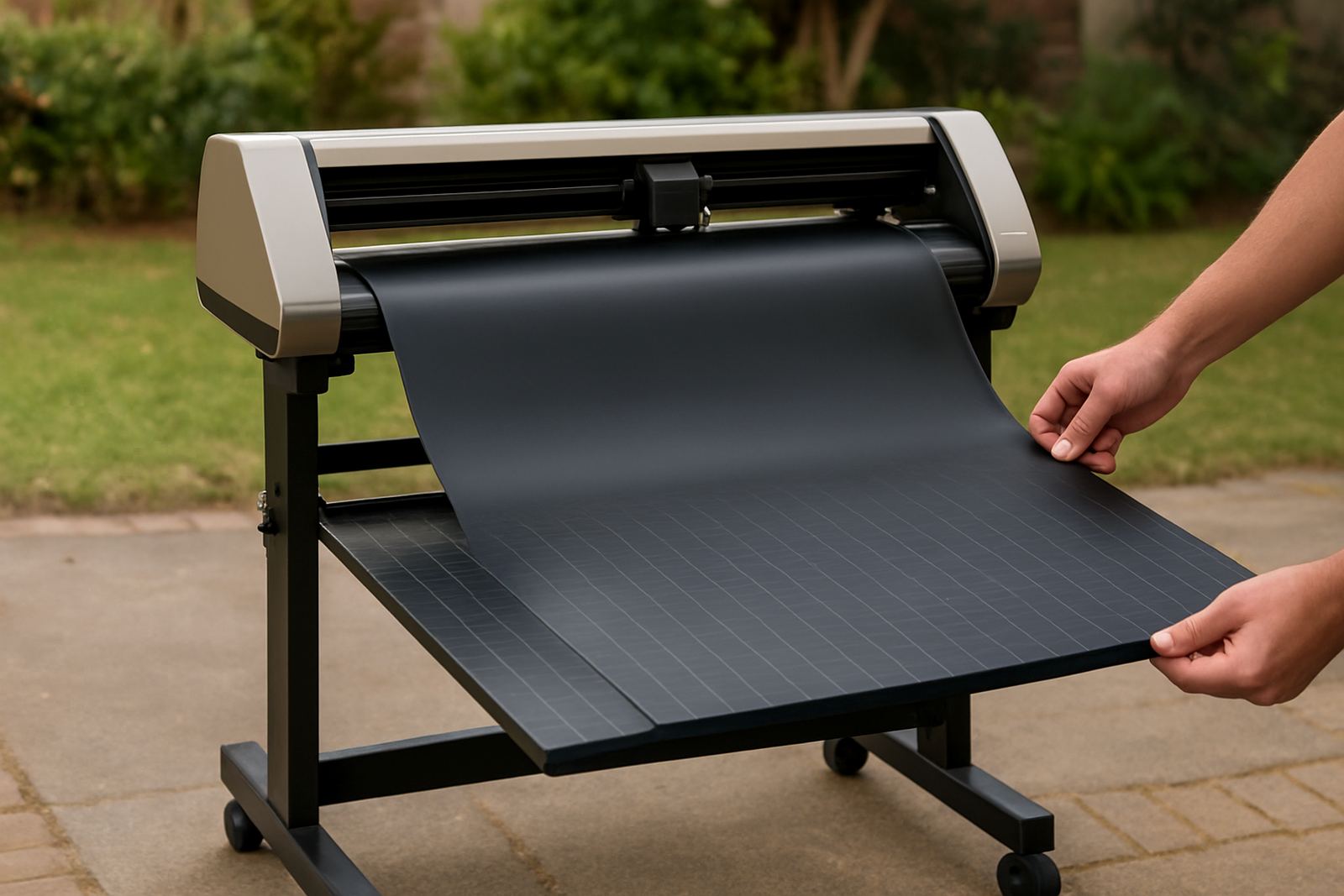
A portable craft cutter is a compact vinyl cutting machine designed for short runs, sample work and quick custom orders. It uses a small motorised carriage and a precision blade to cut vinyl, heat transfer vinyl and similar craft films on a backing liner, giving you neat shapes without manual trimming.
For South African makers who travel between home, a studio and market stalls in places like Bryanston, Fourways, Centurion or Pretoria East, portability matters. The unit is light enough to carry in a vehicle, yet steady enough for repeat work on garments, labels, signage samples and décor pieces. It is a practical machine for anyone who needs reliable output but does not have room for a full floor-standing cutter.
Most users choose this type of machine for entry-level business work, hobby cutting and teaching environments. It is also useful where power may be limited and load-shedding is a factor, because the cutter draws very little power compared with larger heat or finishing equipment.
Size options and what the cutter can handle
Portable craft cutters are usually supplied with a narrower cutting width than workshop machines, which keeps the frame light and easy to move. Common options include 300 mm and 330 mm cutting widths, with usable material widths slightly smaller once the side margins are allowed for.
- Suitable for standard craft vinyl sheets and rolls
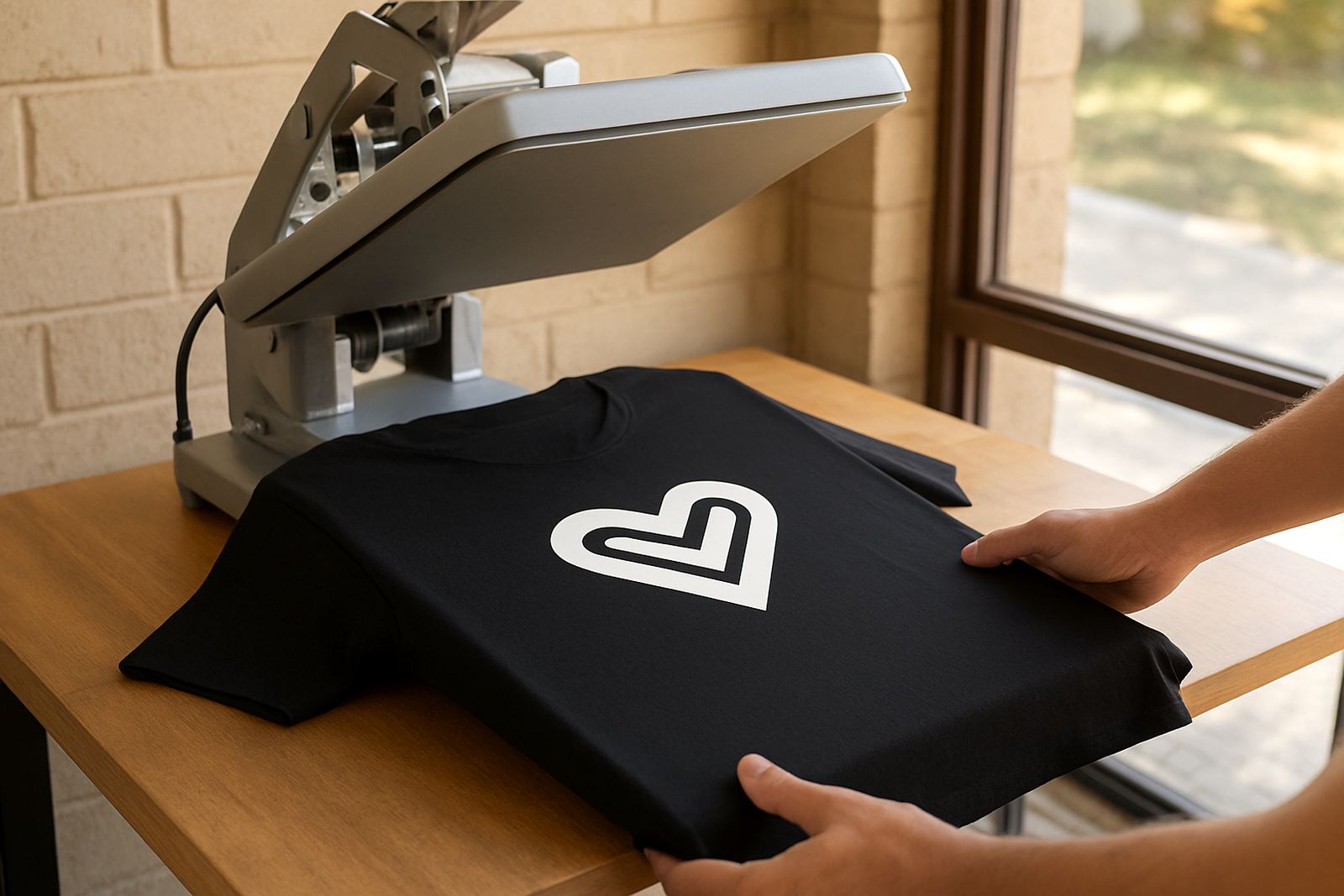
- Works well with HTV for T-shirts, tote bags and aprons
- Can handle stickers, labels, stencils and small signage mock-ups
- Best for logos, lettering, numbers and layered designs
If you are planning to cut long banners or large shopfront graphics this is not the right machine. But for market-ready items and personalised pieces, the smaller footprint is often an advantage because setup is quicker and the material feed is easier to manage. A tidy blade path also helps when you are working with thin films in humid coastal weather or in a hot room where cheap vinyl can move about too much.
Where a portable cutter works best
This type of cutter suits makers who sell at craft markets, visit clients on-site or run classes at schools, churches and community centres. It is also handy for clothing customisation at sporting events, branded giveaways at expos and quick label production in small shops. You can load a design, cut it, weed it and press it soon after, which keeps turnaround times sensible.
In Johannesburg, Pretoria and nearby areas, many users keep the machine in a carry case and move it between home and the client site. That makes sense if your work changes week by week. One day you may be cutting single names for birthday shirts, and the next you may be producing 20 apron logos for a catering team. The machine is also easier to store in a spare room or small workshop, with no need for heavy benches or a dedicated industrial floor area.
- Markets and pop-up stalls
- School fundraisers and club events
- On-site apparel personalisation
- Small batch labels and decals
Power, setup and what you need on site
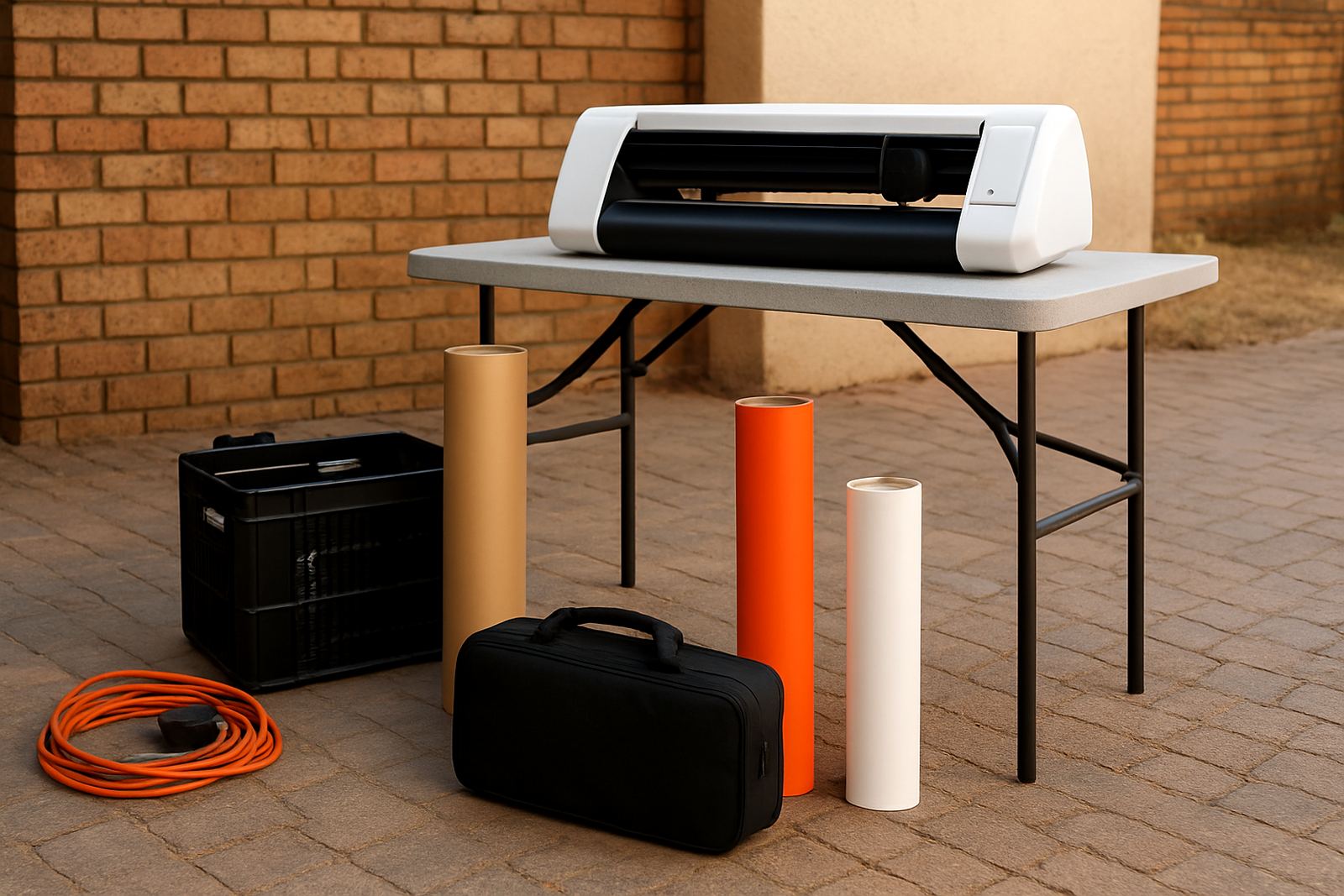
Portable craft cutters normally run from standard mains power and draw little electricity. In most cases a regular 230 V South African wall socket is enough, and a small extension lead can help if the work table is awkwardly placed. No gas is required. If you are working where power interruptions are common, a small inverter or UPS can help keep the machine and laptop running through short load-shedding gaps, though longer outages still need planning.
Setup is straightforward: place the cutter on a flat table, connect the power and data cable, then load the design software on a laptop or compatible computer. You will also need cutting mats or vinyl feed support if the material is thin. For market work, take a clean cloth, spare blades and a small tool kit so you can sort minor issues quickly. It saves a trip back to the workshop and keeps the day moving.
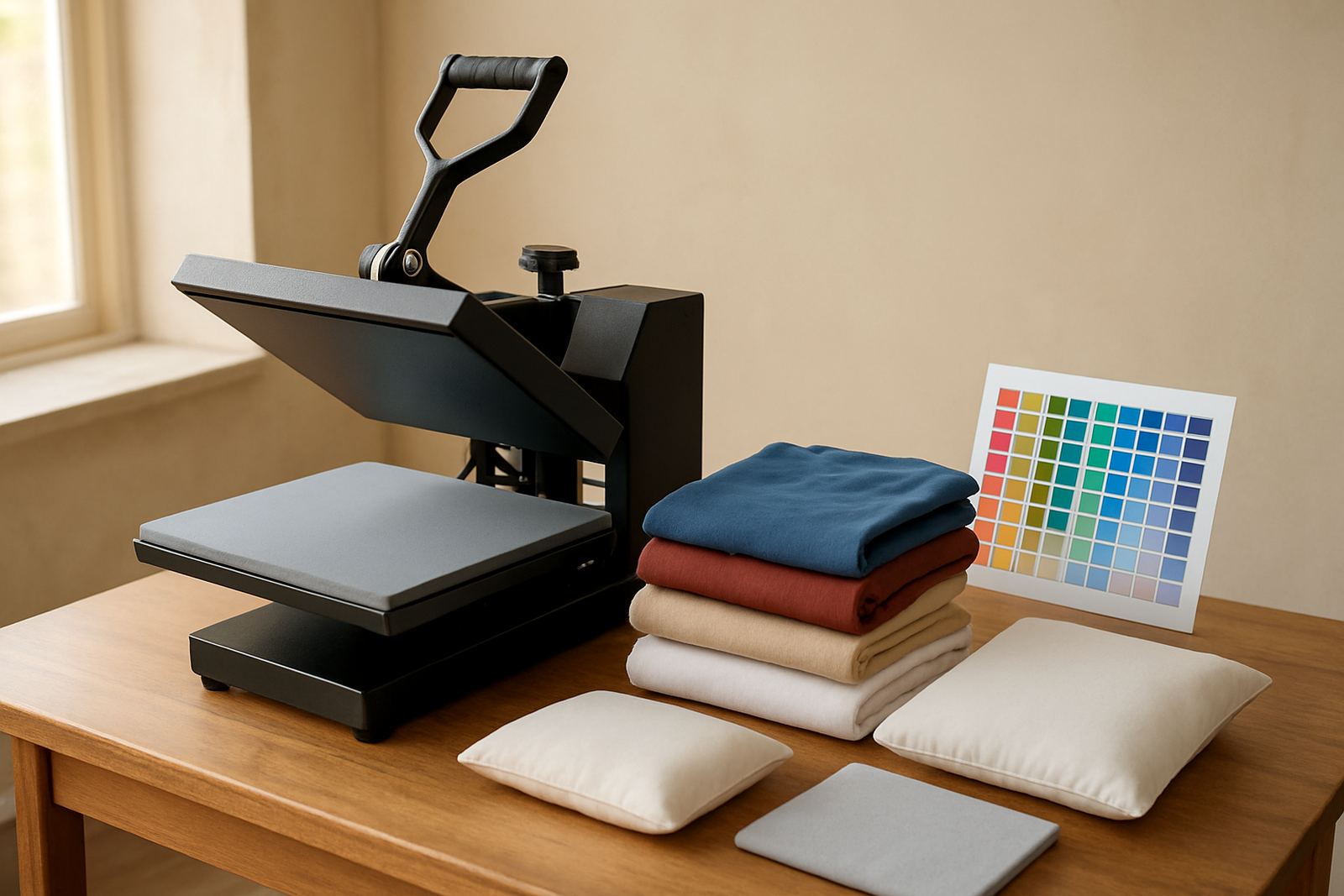
If you plan to press the finished HTV yourself, allow for a separate heat press or hand press, plus a safe surface for cooling and trimming. Always check the venue rules too. Some markets allow a quiet electric cutter on the stand, while others want cutting done before trading starts.
Care, servicing and keeping cut quality steady
Like any precision tool, a portable cutter performs better when you keep it clean and set up correctly. Dust, fabric lint and small vinyl scraps can build up around the blade holder and feed rollers, especially if the machine is packed away after every event. A quick clean after use helps prevent drag marks and crooked cuts.
Check blade condition regularly and replace it when the edge starts pulling or tearing the film. Keep the cutting strip in good condition, and do not force thick media through a machine that is meant for craft vinyl only. If the cutter starts wandering or leaving rough edges, blade calibration and software settings are the first things to review. We also see many issues caused by loose cables or material that is not feeding square, so it is worth checking those before assuming the machine has failed.
- Wipe the rails and rollers with a dry cloth after use
- Store blades in a clean case to avoid damage
- Test new vinyl before a paid job
- Book routine cleaning if the machine cuts unevenly
For local users in Kya Sand, Randburg, Sandton, Midrand, Roodepoort and Pretoria East, support with setup and cut quality troubleshooting can save a lot of time when jobs are piling up.
What to check before you order
Before choosing a portable craft cutter, match the machine to the kind of work you do most often. A hobby user who makes birthday shirts on weekends needs different features from someone who takes paid orders every day. Check the cutting width, the software connection method, and whether the machine supports the vinyl thickness you use most often. If you work with layered HTV, look for accurate repeat cuts and good blade control.
Also think about how you will carry and store the unit. If it will move often between home and market, a lighter body and secure cover matter. If the machine will stay in one room most of the time, more focus can go to cut precision and workflow. Ask about replacement parts, remote support session options and whether setup help is available for software connection, blade calibration and material testing. That support can make a real difference when you are trying to meet a deadline and the room is already full of half-cut vinyl and mugs of tea.
If you are unsure, send through the type of work you want to do, the materials you use and the space you have available. That gives a clearer picture of the right cutter for your setup and helps avoid buying a machine that is either too small or more complicated than you need.
Key facts
| Cutting width | Approx. 300 mm to 330 mm usable width, depending on model |
|---|---|
| Material type | Craft vinyl, HTV, label film, stencil film and similar light media |
| Power need | 230 V mains power, low draw, no gas required |
| Connectivity | USB or compatible software connection, model dependent |
| Footprint | Compact tabletop format for easy transport and storage |
| Best use | Markets, classes, on-site customisation and small batch jobs |