
Start with one job card per customer
The easiest way to stay organised is to give every repeat customer one job card and keep all their details in the same place. That card should cover the customer name, contact number, delivery area, garment or product type, artwork notes, preferred colours, and the exact quantity ordered. If you make name labels, team shirts, school event items or small business branding, one card per customer stops the same question being asked again and again.
For Johannesburg makers who work from Kya Sand, Randburg or Midrand, this matters even more when orders come in after hours and get picked up on different days. A simple card means you can check a job quickly before cutting, even if the order was placed months ago. It also helps when someone phones back and says they need the same thing as last time but with one colour change.
Keep the wording consistent. Use the same fields every time, even for small jobs of five or ten items. That makes it easier to scan a card and see what must be done today, what is waiting for payment and what has already been collected.
Use a clean naming system for colours and sizes
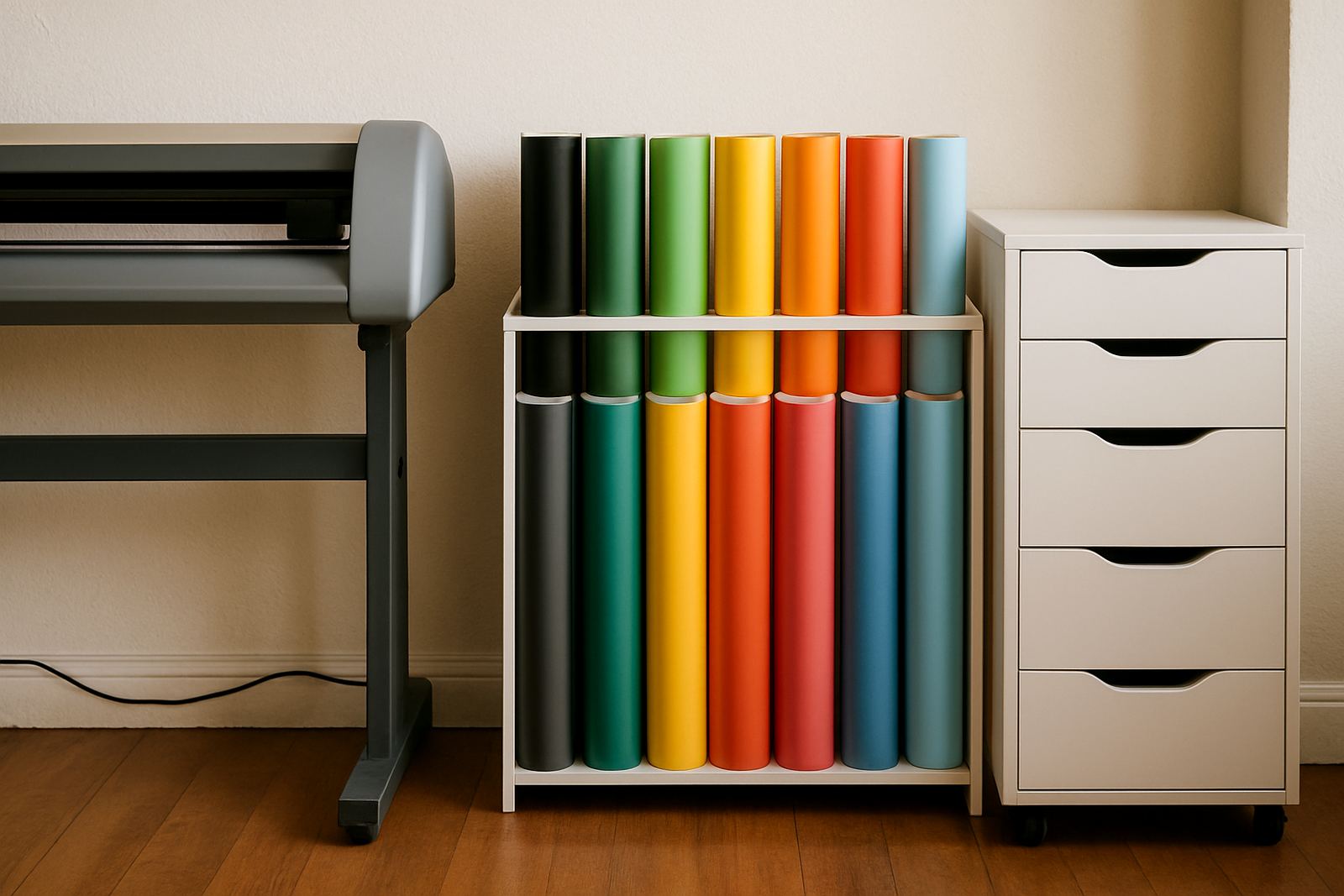
Colour names cause more confusion than most people expect. One person says black, another says charcoal and a third says dark grey. For repeat jobs, write down the exact colour name you use in house and keep that name the same on every reorder. If a customer wants a specific finish for heat transfer vinyl or craft vinyl, note it clearly and do not rely on memory.
A practical system is to record colour, size and finish in one short line. For example: white gloss, 300 mm wide, matte finish, left chest, 12 pieces. That kind of note is quicker to follow than a long message thread. It also helps when you are checking stock before load-shedding or before a busy weekend market.
- Use one colour name only for each material.
- Record size in millimetres or metres, not just short and long.
- Note finish details such as matte, gloss or textured.
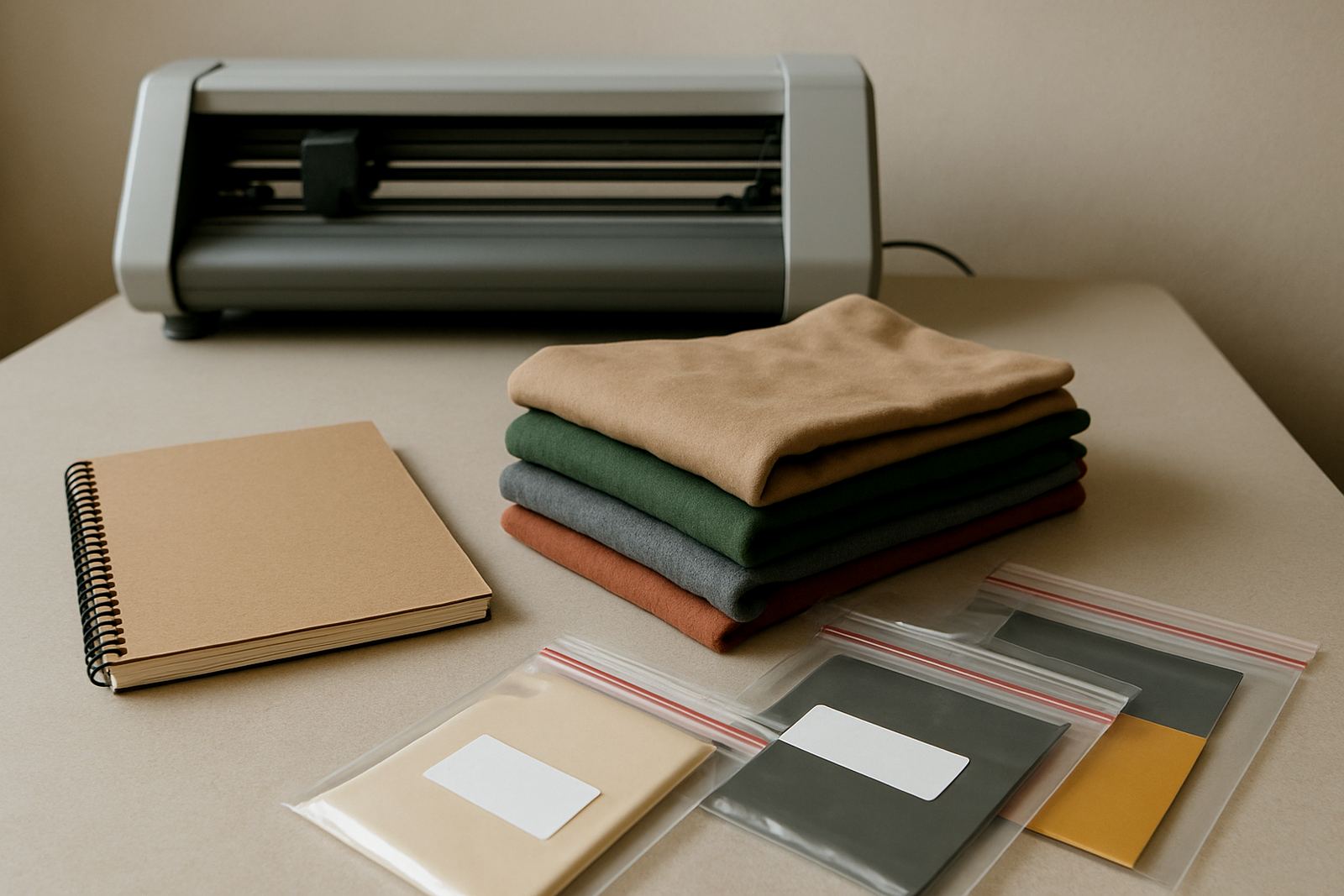
- Keep a small sample swatch file for common colours.
When you label the material itself, write the job number on the inner core or on the bag, so the roll or off-cut can be found quickly later. That tiny habit saves time when you are sorting through leftovers after a busy week.
Build a reorder sheet that fits on one page
Small orders should not need a long form. A one-page reorder sheet is usually enough and it should be simple enough for anyone in the workshop to read at a glance. Include the customer name, job number, product type, colour, quantity, size, cutting notes and due date. Add a box for payment status too, because nothing slows down a repeat job like cutting first and checking payment later.
Keep the sheet in the same order every time. When staff look at it, they should know exactly where to find the next detail. This is useful if one person takes the call, another person loads the machine and a third handles collection. It cuts down on small errors that turn into wasted vinyl, re-cutting and awkward conversations with clients.
If you work from a shared room or a compact space in Roodepoort or Pretoria East, place the sheet in a visible tray or clip board near the cutter. That way no one has to search for it under rolls, boxes or cutting mats. It sounds basic but basic systems are what keep small businesses moving.
Tag repeat jobs by use, not only by customer
It helps to group jobs by the type of work they are. A school sports order, a birthday shirt run and a small company logo job all need different handling, even if they use the same cutter. When you tag jobs by use, you can quickly see what material, blade setting and heat press temperature were used last time. That makes repeat work far easier to match.
- School and team orders: list sizes by learner, staff member or coach.
- Workwear: note chest positions, sleeve prints and logo placement.
- Event items: record the date, count and collection time.
- Home décor: note wall size, surface type and transfer method.
This approach is useful in places where small jobs are frequent and urgent, such as Sandton, Randburg and the wider northern suburbs. A customer may only need eight shirts or two signs, but if those jobs repeat every few weeks the notes must be clear. Otherwise you end up making assumptions, and assumptions waste material.
Set aside a quick check before every cut
Before you start a repeat order, run the same short check every time. Confirm the quantity, colour, design size, orientation and whether the blades or heat settings need changing. If the customer asked for a mirrored design or a special layout, write that on the sheet in bold or underline it. One missed step can cost a full sheet or a full roll of material.
A short check also helps when power cuts interrupt the day. If the cutter stops and you have to resume later, the job card tells you exactly where you left off. In South Africa, that matters. It is easy to lose momentum during a cut if the machine switches off and everyone has to remember which order was active and which colour was loaded.
For small businesses in Kya Sand and nearby industrial areas, a simple pre-cut check also helps with stock control. You can see at once whether there is enough material for the whole batch or if you need to call the customer before starting.
Keep a finished-job record for faster repeat work
Once the order is collected, do not close the job completely without saving the final details. Note the actual quantity cut, the blade setting used, whether the material behaved well, and any issues with lifting, trimming or heat transfer. That record becomes your best reference the next time the same customer orders again. It also helps when a supplier asks what worked on the previous batch.
Many small businesses rely on memory and that works until orders start piling up. A finished-job record gives you a proper trail. If a customer phones from Midrand and says they need the same thing as the last run, you can match the last colour and size without searching through old messages. It also builds confidence because customers can see that you know their order history.
Keep the record short but useful. You do not need a full report, just the facts that save time later. After a few months you will see patterns in what repeats, which sizes move fastest and which jobs need the most care.
Make small-order admin part of the workshop routine
The best system is the one people actually use. So build small-order admin into your daily routine instead of treating it as extra paperwork. Open new job cards in the morning, update quantities after lunch and file completed jobs before closing. If the team follows the same pattern each day, repeat work becomes quicker and the order trail stays clean.
At VinylCutter Craft in Kya Sand, we see how much easier jobs run when the process is simple. Whether the order is for a hobby maker or a small business owner, the same basic rules apply: write it down, label it clearly, and keep the colour and quantity visible from start to finish. A tidy record saves material, cuts down on rework and helps you handle more orders without confusion.
For small jobs that repeat often, organisation is not admin for admin sake. It is part of getting paid on time and delivering the same quality every time, even when the week is busy and the power is off for an hour or two.