
Why Pressure Changes the Quality of Your Cut
Cut pressure controls how hard the blade pushes into the material. Too little pressure and the blade skates across the top, leaving bits uncut and edges that lift during weeding. Too much pressure and you can cut right through the liner, mark the cutting strip, or shorten blade life faster than you planned.
For South African makers working from a spare room in Randburg or a small workshop in Midrand, this matters because material costs add up quickly. A clean cut saves time on every sheet, and a bad cut can turn a small run of stickers or HTV shirts into scrap. The right setting also helps when load-shedding interrupts a job and you come back to restart it, because you want repeatable results not guesswork.
- Light pressure is usually better for thin films and detailed work.
- Higher pressure may suit thicker, stiffer materials but needs careful checking.
- Always test before running a full batch, even if the material looks familiar.
How Different Materials React to the Same Setting
One pressure setting will not suit everything. Standard adhesive vinyl, heat transfer vinyl, window frosting film and stencil material all behave differently under the blade. A pressure that works on one roll may be far too aggressive on another, even if the two products are both 0.1 mm thick. Coating, backing paper and even humidity can change the feel.
In Johannesburg, winter air can be dry and summer afternoons can bring moisture, especially if you store vinyl near a door or in a workshop that gets hot. That can affect how the liner feeds and how cleanly the blade scores the top layer. On coastal orders sent down from Kya Sand to Durban or Gqeberha, people sometimes notice materials arriving a little softer after transport too.
- Adhesive vinyl usually needs a clean kiss cut, not a deep slice.
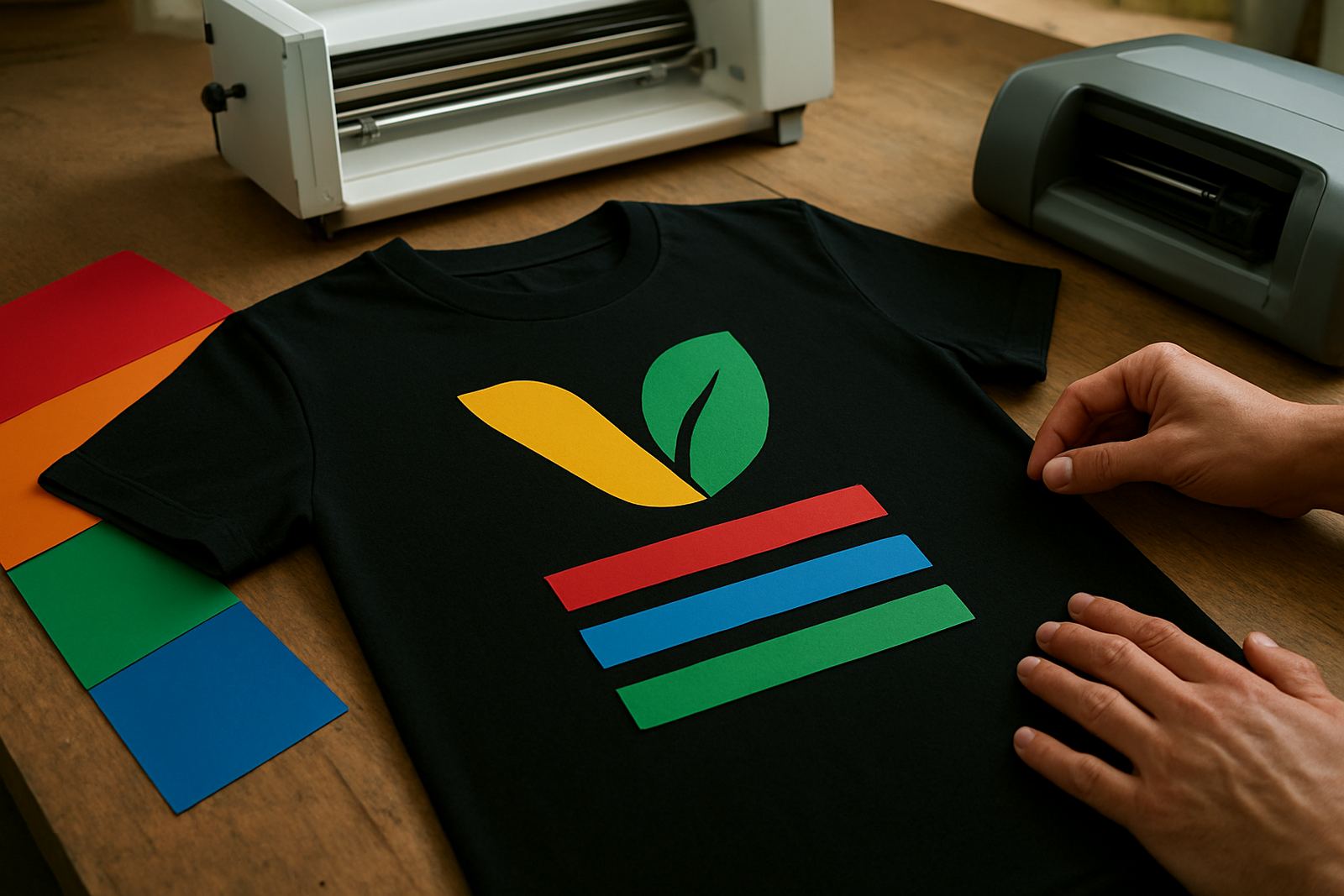
- HTV often needs enough pressure to cut the film but leave the carrier intact.
- Detailed lettering needs less drag and a sharper blade than large shapes.
The Test Cut Is the Cheapest Part of the Job
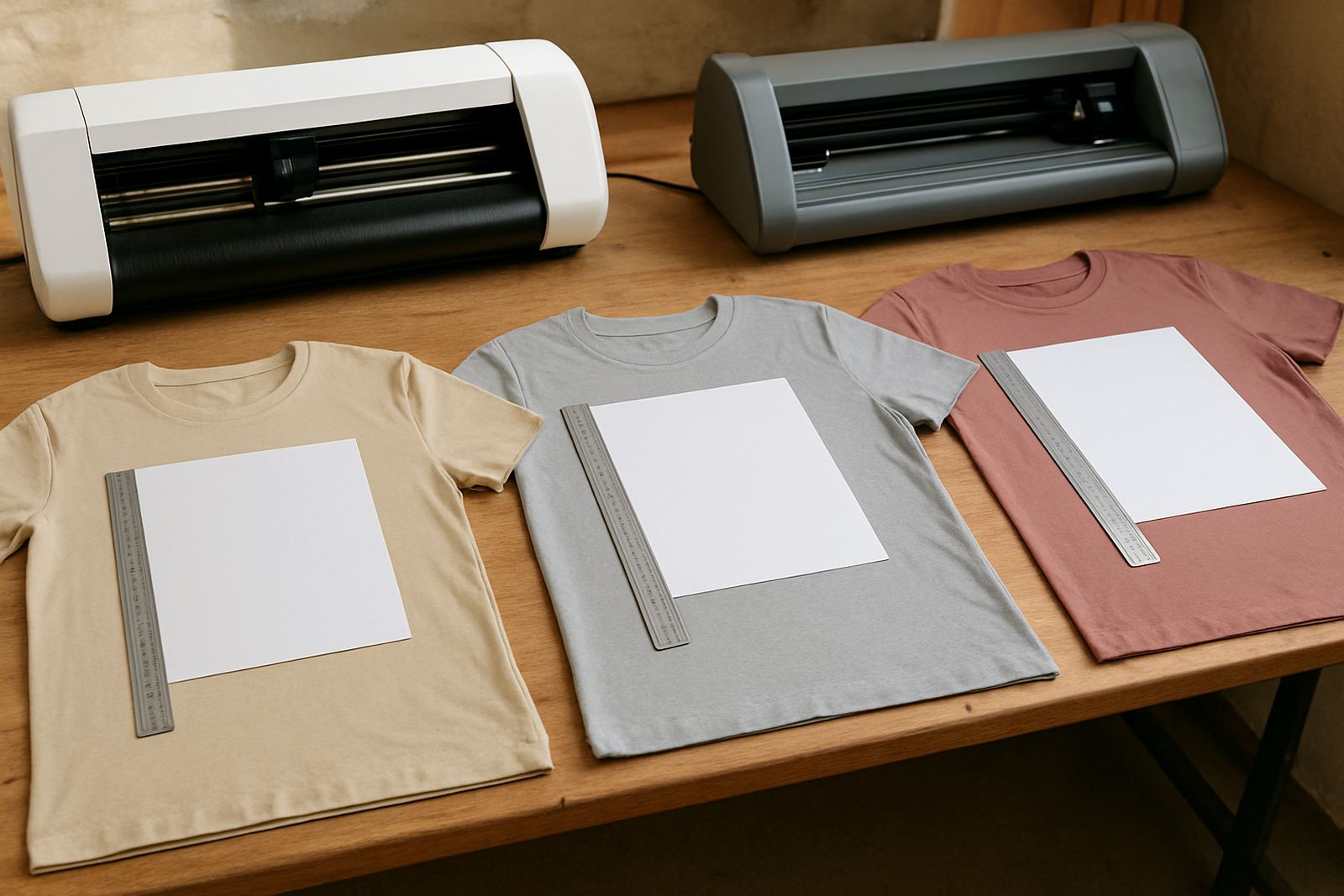
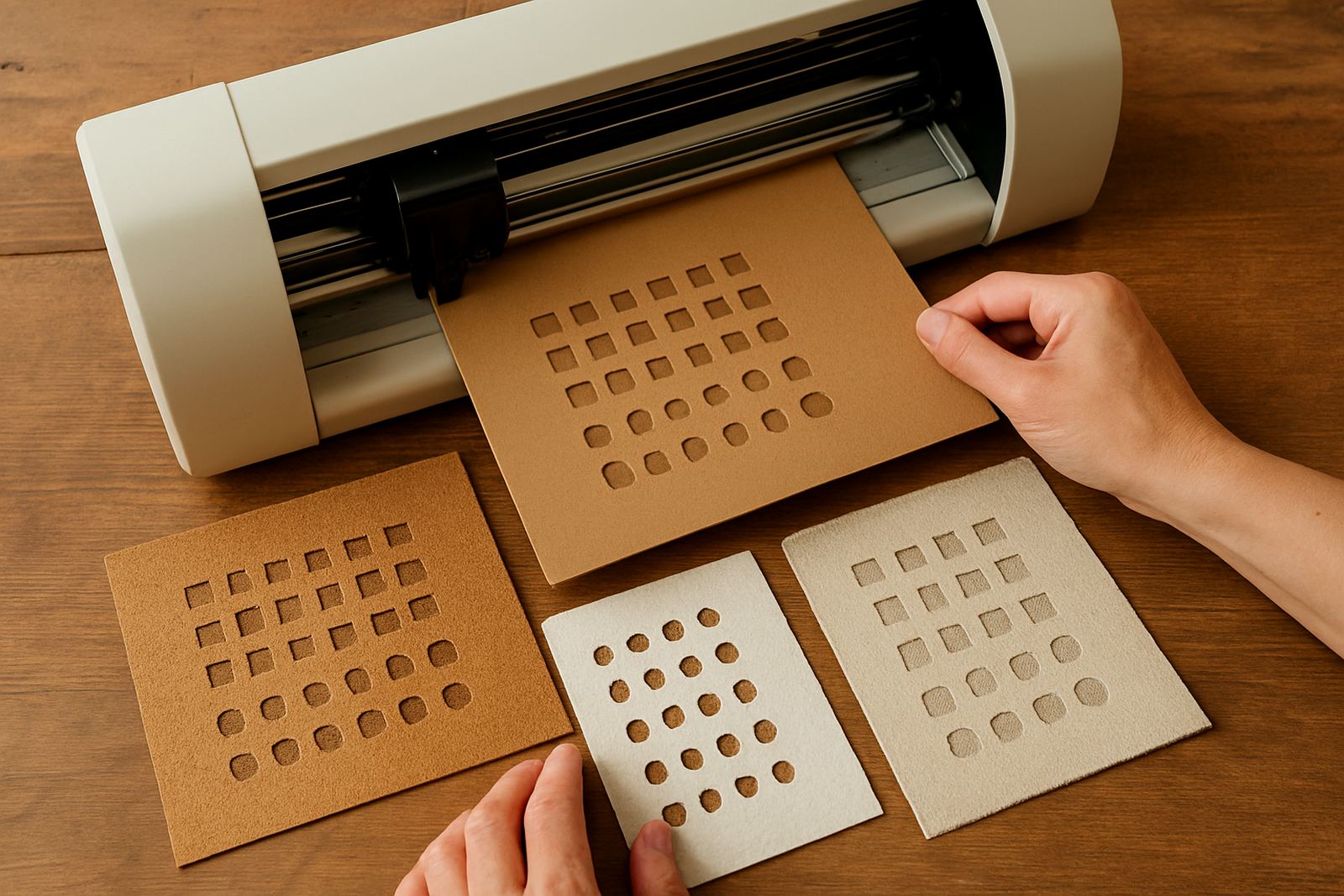
A test cut takes less than a minute and can save an entire roll. Use it before a new material, a fresh blade, or after changing speed. Look for a square and a triangle or small letters, then weed them by hand. If the liner lifts, the pressure is too high. If the shapes stay stuck or tear when you weed, it is usually too low, though blade depth and speed can also play a role.
For small shops serving Pretoria East offices or custom T-shirt orders in Sandton, test cuts are the difference between profitable work and redoing the same job twice. Keep a simple note of what worked for each material and thickness. After a few runs you will build a setting list that makes repeat work quicker. It sounds basic, but it saves a lot of grief.
- Run a test cut at the start of every new roll.
- Check both straight lines and fine corners.
- Write down the setting, blade depth and speed used.
Signs Your Blade Pressure for Vinyl or HTV Is Too High or Too Low
There are a few clear signs to watch for. If your blade is cutting through the backing liner, the pressure is too high or the blade is set too deep. If small text is lifting with the waste vinyl, the cut is probably too shallow. A rough edge, deep scoring on the liner or a cutting mat that wears fast can also point to pressure issues.
People often blame the cutter first, but the material, blade and settings all work together. A worn blade can make you increase pressure when the real fix is to replace the blade. Dust build-up on the machine or a dirty pinch roller can also affect feed accuracy. That is why routine cleaning and blade calibration matter just as much as the pressure number on the screen.
Practical Settings for Shop Floor Work
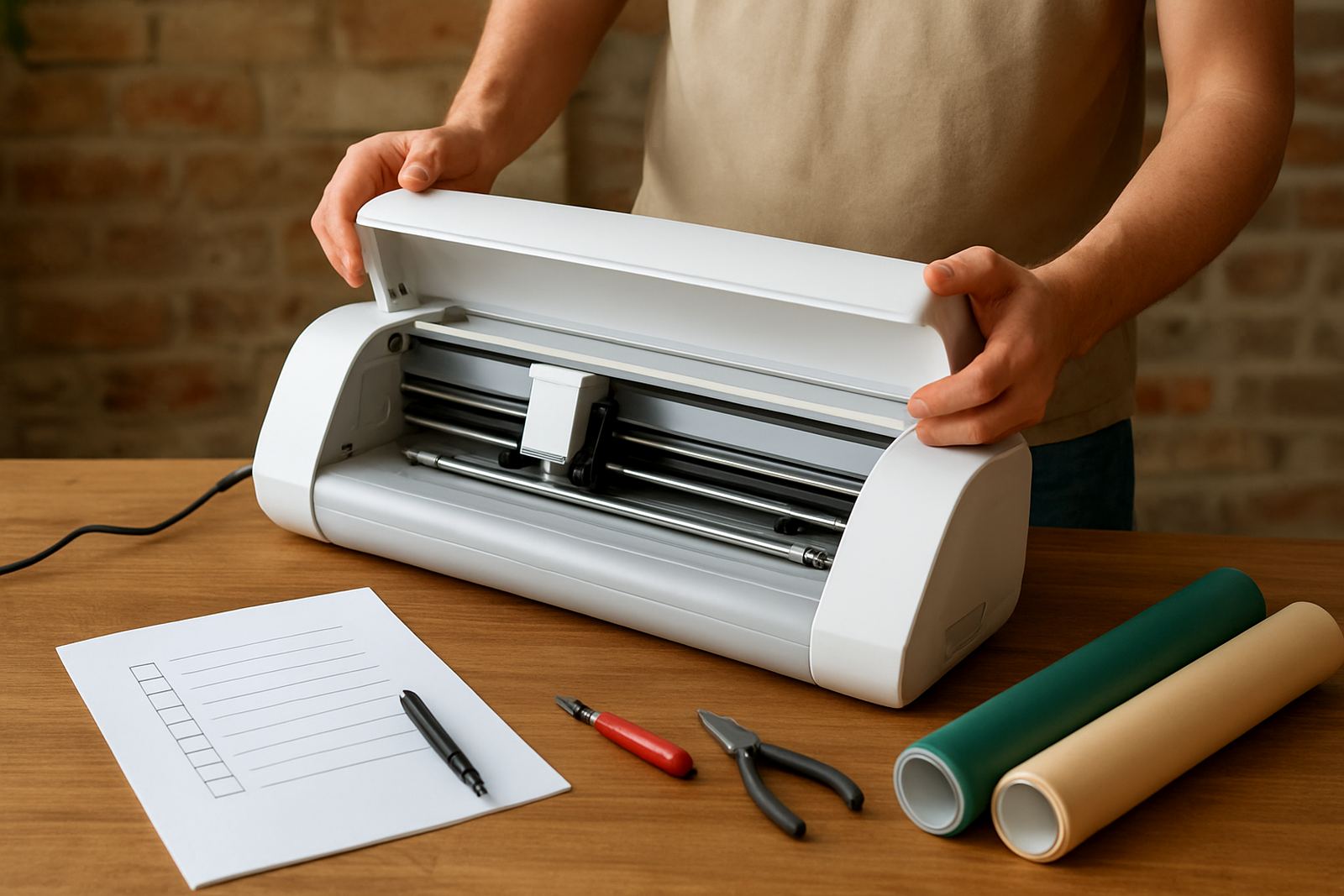
There is no single number that suits every machine, but you can work in a sensible range. Start low and step up in small changes. For thin craft vinyl, begin with light pressure and increase only until the test cut weeds cleanly. For HTV, check that the carrier sheet stays intact after the cut. If the machine has a force scale, keep a record of the level rather than relying on memory.
Small businesses in Roodepoort or Kya Sand often switch between sticker work, labels and apparel jobs in one day. That means settings need to be repeatable and easy to adjust. When you change from a thin sign vinyl to a thicker HTV, pause and test again. It is quicker than correcting a full sheet later.
- Start low and increase in small steps.
- Do not change blade depth and pressure at the same time if you can avoid it.
- Re-test after cleaning the blade holder or replacing the blade.
Why Pressure Matters More During Longer Runs
Pressure errors often show up later in the job. A sheet may look fine at the start, then the corners begin to lift or fine details get ragged after ten or twenty metres. That happens because the blade warms up, the material shifts slightly, or the machine collects tiny bits of debris. In a long run, a setting that is only slightly off can waste a lot of material.
If you are doing repeat jobs for schools, events or local businesses around Randburg and Sandton, keep an eye on the first few pieces and then check again halfway through. This is especially important with heat transfer vinyl because a small cutting fault can turn into a poor press result once it goes under heat. Better to stop early than learn about the problem after pressing 30 shirts.
A Kya Sand Example That Saves Time and Material
A customer in Kya Sand making custom name labels for school bottles came in with a roll that looked simple enough, but the tiny lettering kept lifting during weeding. The machine was fine, the blade was sharp enough, yet the pressure was a touch low for that specific material batch. After a small test adjustment and a fresh test cut, the letters came out clean and the waste peeled away in one pass. No drama, no extra roll used.
That kind of fix is common. One day the same setting works on a batch of wall decals, the next day it needs a slight change because the liner is different. The lesson is straightforward: trust the test cut, not the assumption. For anyone cutting at home or running a small workshop, that habit saves time, money and a fair bit of frustration.