
Start the year with back-to-school and office demand
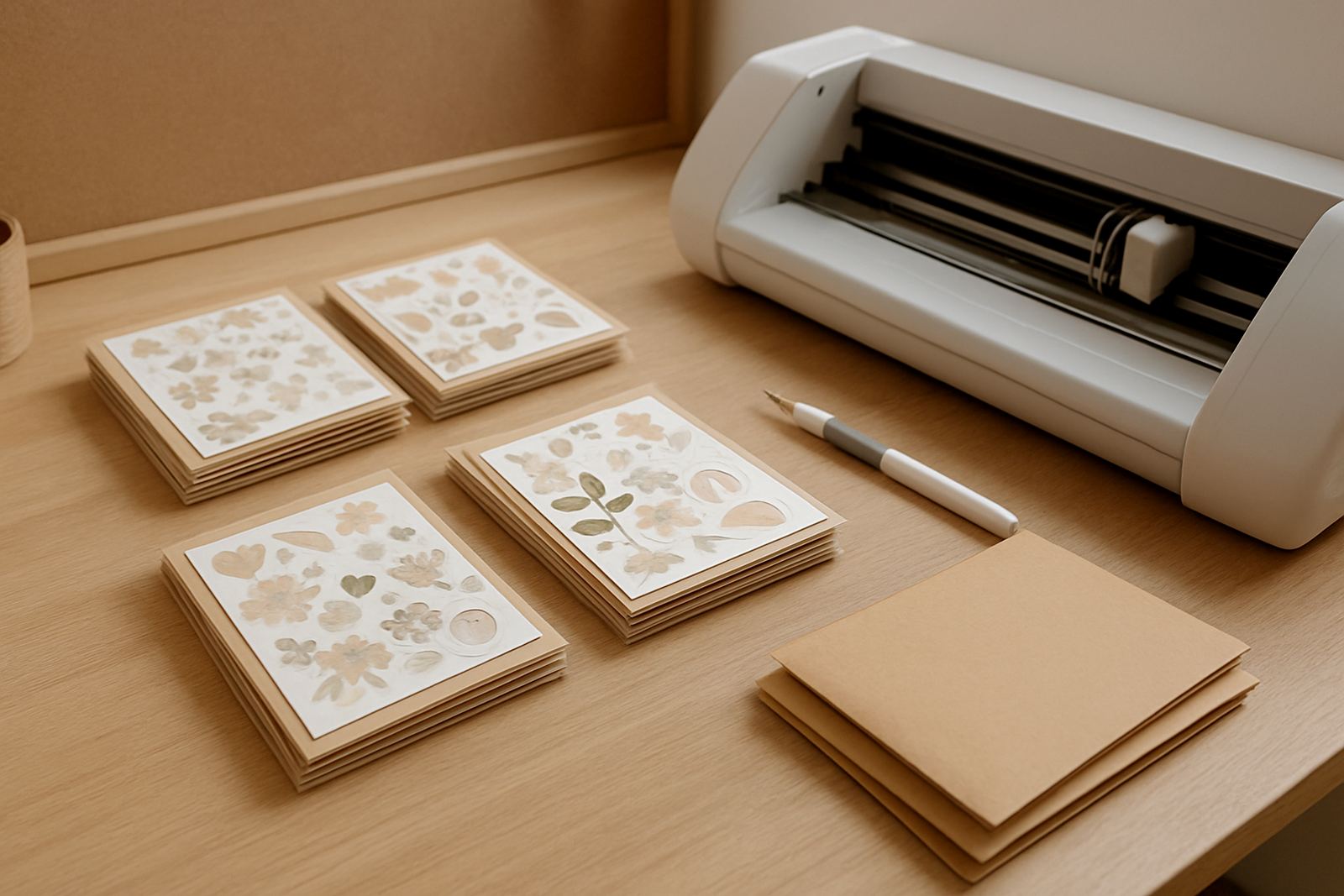
January is not only about new diaries and fresh notebooks. It is also a strong month for school labels, water bottle names, classroom wall decals and tidy office branding for small firms getting back into routine. In Johannesburg and Pretoria East, this demand often starts before schools reopen, so stock should be on hand by the second week of the month.
For cutters, keep a practical mix of white, black, navy and bright primary vinyl on the shelf. Those colours handle uniforms, lunch tins, stationery tubs and motivational signs without sitting idle for months. If you work from Kya Sand, Randburg or Midrand, test a few common school fonts and simple icons ahead of time so you can cut quickly when parents ask for 20 names at once.
- Carry easy sellers such as name labels, pencil box decals and door signs.
- Keep small offcuts for sample packs and quick school proof runs.
- Check blade condition before the rush so fine text does not lift at the corners.
Plan Valentine’s, weddings and winter gifting before the rush
February and March can bring strong demand for romantic gifts, kitchen items, glassware decals and event signage. In SA, people often order at the last minute for anniversaries, bridal showers and small functions, so a seller who is ready can turn short lead times into proper turnover. If you print and cut custom wording, make sure your software profiles are saved and your weeding tools are close by.
By the time winter starts in Johannesburg, gifting shifts towards comfort items and indoor celebrations. Small businesses in Sandton and Roodepoort often ask for branded mugs, throw pillow designs, and personalised wall art for corporate thank-you gifts. This is also a good time to review heat transfer vinyl stock because darker winter garments need clear, bold artwork. A heat press check before load-shedding heavy weeks can save a lot of rework.
- Stock metallic, red, blush and gold tones for event season.
- Prepare sample layouts for couples, teachers and corporate gifts.
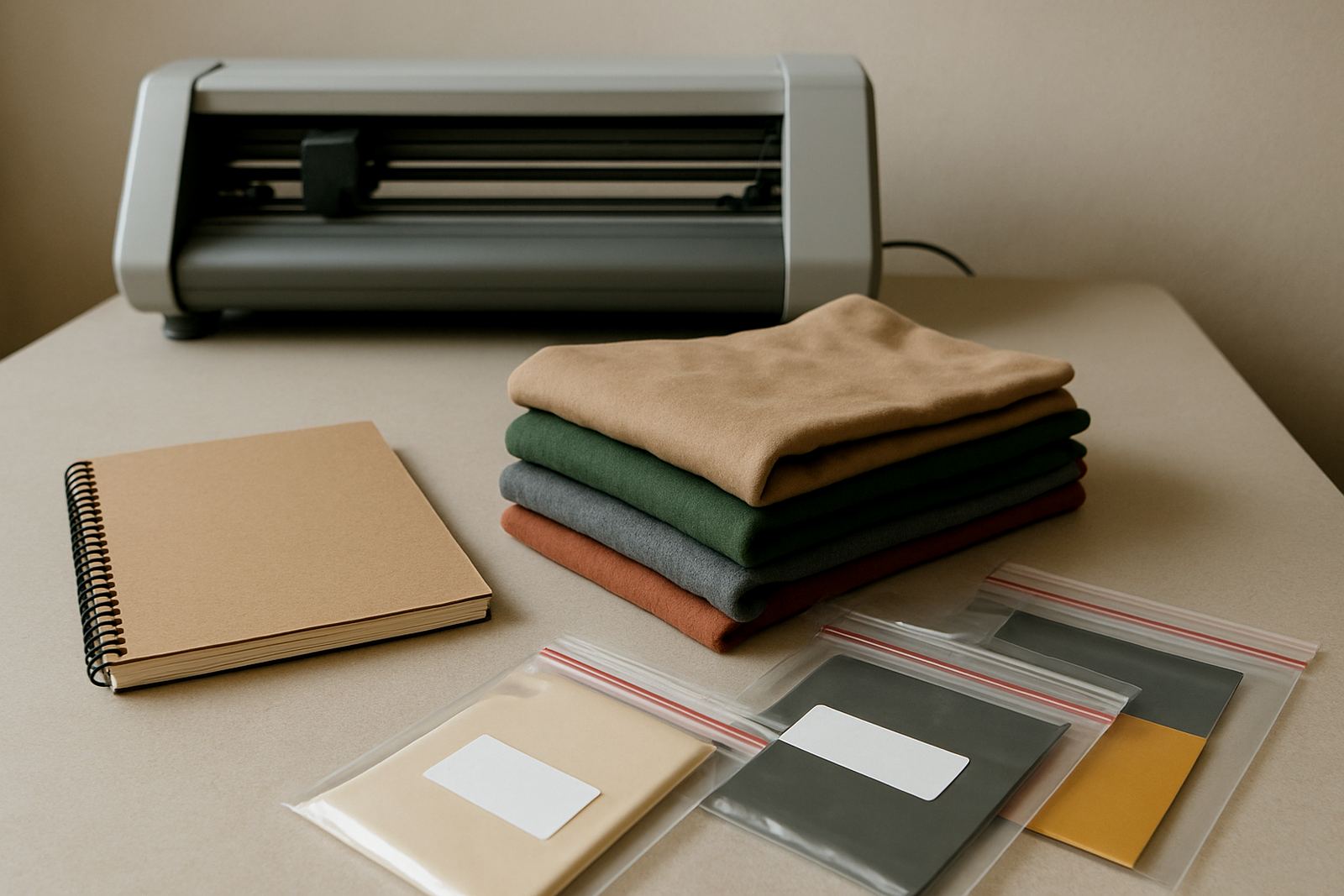
- Test transfer settings on cotton, polycotton and fleece before promising delivery dates.
Use school holidays and long weekends to fill the slow gaps
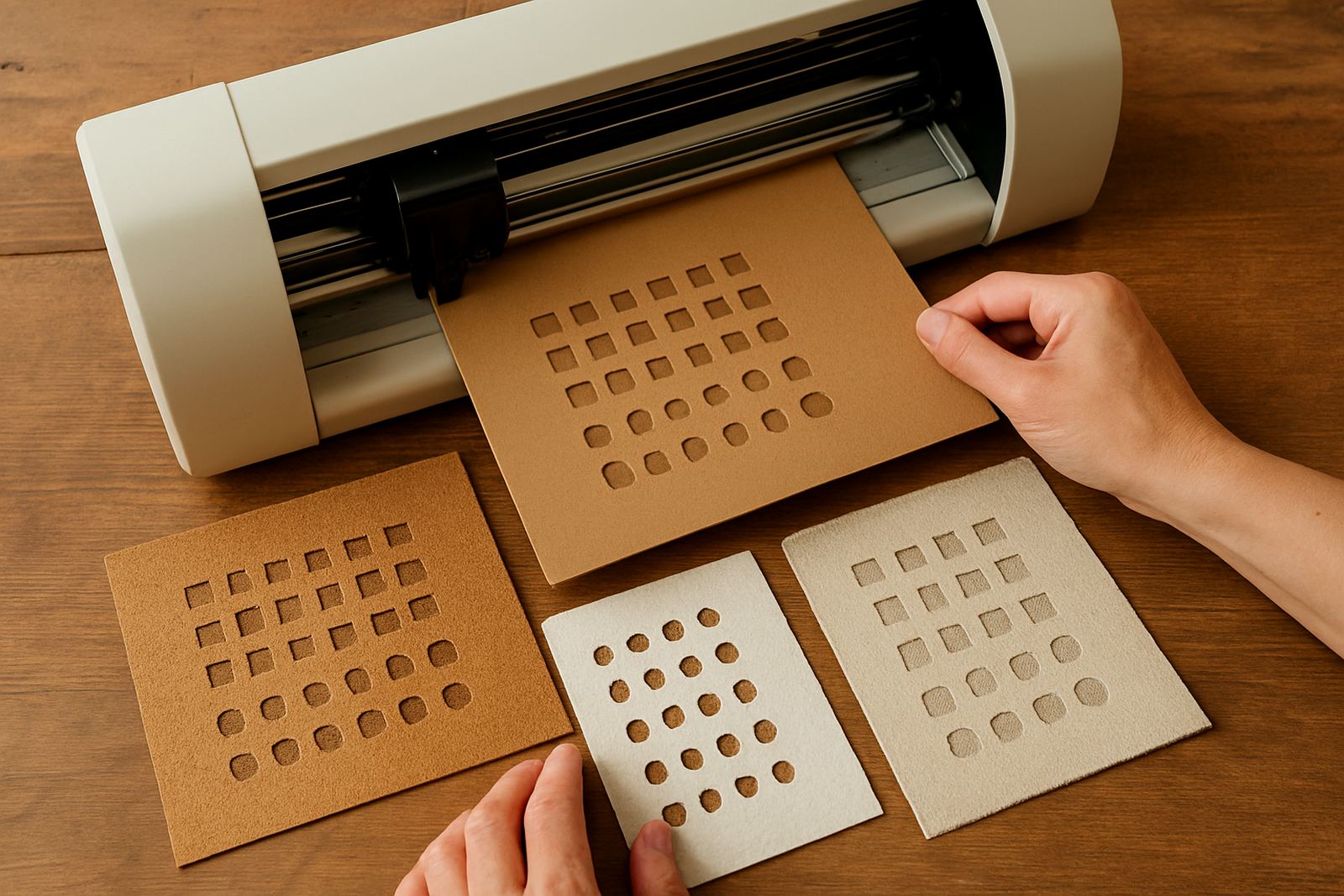
School holidays and public holidays can be quiet for some sellers, but they are useful planning windows. Instead of waiting for walk-in orders, use those weeks to cut batch stock, clean the machine and check replacement parts. A clean carriage and well set blade can make the difference between a neat edge and wasted material, especially in humid weather near the coast or when stock has been stored for a while.
This is also a good time to produce generic items that sell throughout the year, like pantry labels, nursery name decals, office door signs and car window stickers. Keep your workflow simple. If your cutter is used in a small workshop in Kya Sand, a short remote support session can often solve software connection issues before they become a full day problem. It helps to keep a basic seasonal list pinned near the machine so no one forgets the parts that need checking.
- Run routine machine cleaning before each holiday break.
- Test a sample cut after power interruptions or long storage periods.
- Update your order notes with delivery dates, sizing and application instructions.
Make festive season stock decisions in the middle of the year
June and July are the time to order for year-end giftng, office parties and Christmas markets. Many small sellers leave this too late, then have to choose between paying urgent freight or missing orders. For a business serving Johannesburg, Pretoria East and wider Gauteng, early planning means you can keep your best-selling colours and sizes on hand before everyone else starts buying.
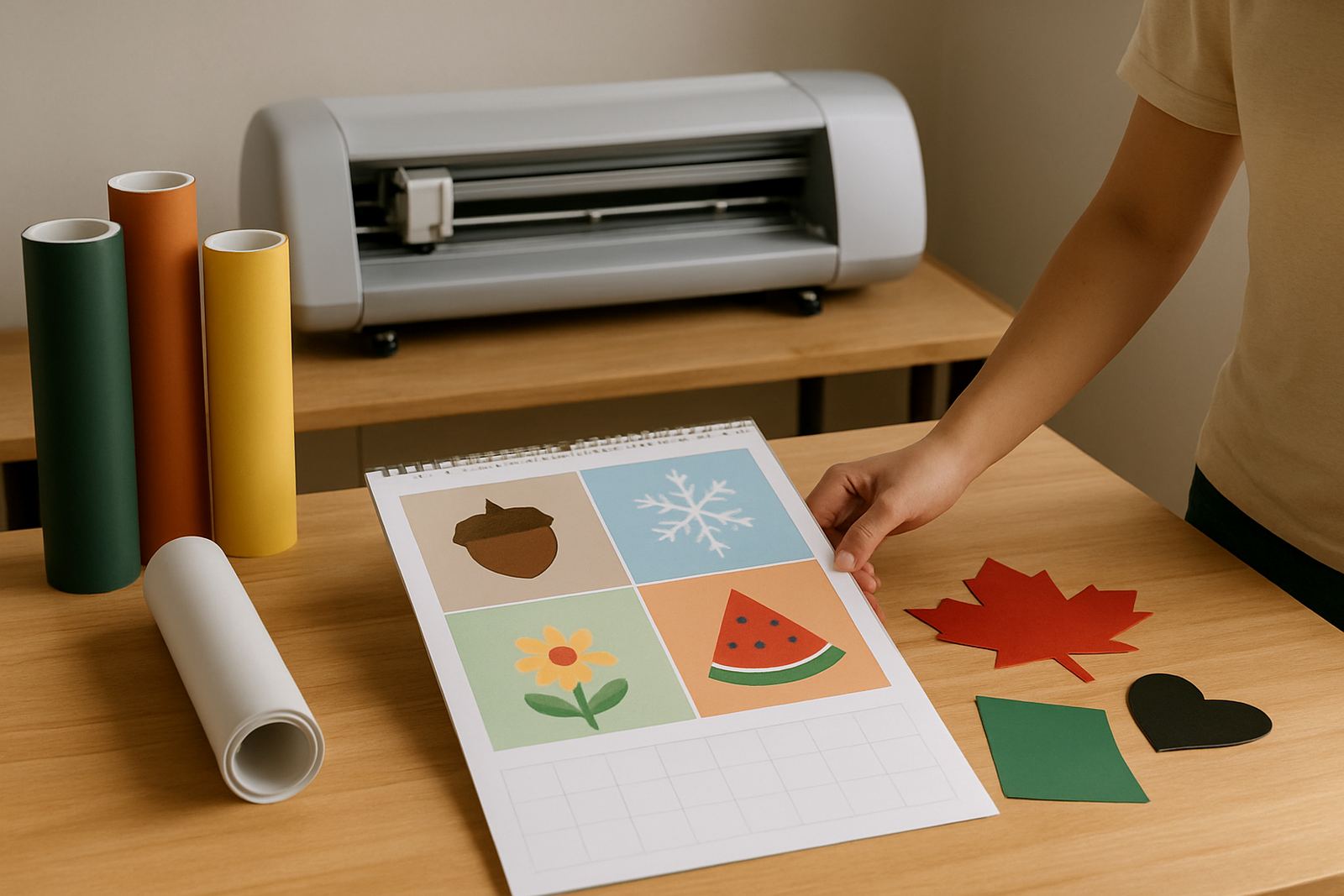
Think in categories rather than random rolls. Divide stock into apparel, home décor, event signage and quick personalisation items. That makes it easier to see what will move during the last quarter of the year. If you offer heat transfer work, count the number of shirts you can complete in a day with your current press and cutter setup. That number should guide your purchase, not just your excitement.
- Order plain transfer colours for school leavers, year-end staff gifts and market stalls.
- Keep spare blades, mats and basic tools ready before December.
- Review average turnaround times so you do not overbook peak weekends.
Watch local events, not only the public calendar
A good seasonal seller calendar goes beyond national holidays. Local sports days, church bazaars, school concerts, matric dances and municipal market dates all create short bursts of demand. In areas like Sandton and Midrand, business networking events can also generate quick orders for pop-up signage and table branding. The seller who keeps an eye on these smaller events often gets repeat work because they quote accurately and stay organised.
Try building a simple monthly list with the following details: event date, likely product type, colour theme, expected quantity and lead time. If you already know that a school in Randburg likes navy and silver, or a community hall in Roodepoort often needs directional decals, you can cut and pack the right material in advance. That kind of local knowledge is worth real money.
It also helps to keep a small sample kit for customer visits or market days. Include cut samples of common vinyl, a few HTV swatches and examples of finished pieces. People buy faster when they can feel the material and see how it behaves in real light, not just on a screen.
Build a stocking rhythm that works with South African conditions
Seasonal planning is not just about dates, it is about working around how business actually happens here. Power cuts, weekend traffic, courier delays and coastal humidity can all affect production. Store rolls flat or upright in a dry spot, keep transfer material away from direct sun, and do not leave blades fitted when the cutter is packed away for long periods. Small habits protect stock and reduce waste.
For a growing workshop, a simple rhythm works best: review demand at the start of each month, check machine condition weekly, and separate fast sellers from slow movers. Thabo Maseko and the team in Kya Sand know that support questions often arrive at the same time as holiday orders, so it pays to have clear product notes, saved cut settings and a plan for replacement parts. When your cutter, press and stock all line up, busy months become manageable instead of stressful.
- Keep a monthly review date for stock counts and supplier orders.
- Track which designs sold before each school holiday and festive season.
- Reserve time for blade calibration and workflow checks before peak periods.