
Start With the Transfer Method You Are Actually Using
Before buying blank shirts or bags, match the garment to the transfer method. Heat transfer vinyl, sublimation, DTF and printable films all behave differently on cotton, poly and blends. If you are using standard HTV, a smooth cotton tee is usually the easiest place to start. For sublimation, you need high polyester content, while mixed fabrics need a careful test press first.
A common mistake is choosing a garment because it looks nice on the hanger, then finding the surface is too textured, too stretchy or too heat sensitive. In a small workshop in Kya Sand or a home setup in Midrand, that can mean wasted stock and extra time. Keep a few sample blanks on hand and test them under your normal heat press settings before you buy in bulk.
- Check fibre content first, not just the colour.
- Feel the surface for rough texture or heavy knit lines.
- Confirm the garment can handle your press temperature and dwell time.
- If in doubt, test one sample before placing a larger order.
Shirts: Cotton, Poly-Cotton and Fit Matter More Than Price Alone
For custom apparel, cotton is still a steady choice because it presses well and feels familiar to most customers. It is a good option for everyday tees, staff wear and promotional clothing. Poly-cotton can also work well, especially when you want a lighter feel and a bit more durability for frequent washing. Pure polyester can be trickier with some heat transfer products, so do not assume all shirts press the same way.
Fit also changes the final result. A very tight tee can distort the design if the customer stretches it after pressing. Oversized garments may need a larger design layout so the print does not look lost. For kids' wear, check neck openings and seam placement carefully because the press platen must sit flat. If the shirt has a thick side seam, you may need a pressing pillow or a lower placement to avoid uneven pressure.
- Choose smooth fabric for fine text and detailed logos.
- Use medium weight tees for regular retail orders.
- Keep youth and baby sizes separate from adult stock.
- Allow for shrinkage if the garment has not been prewashed.
Bags Need Flat Surfaces and Strong Stitching
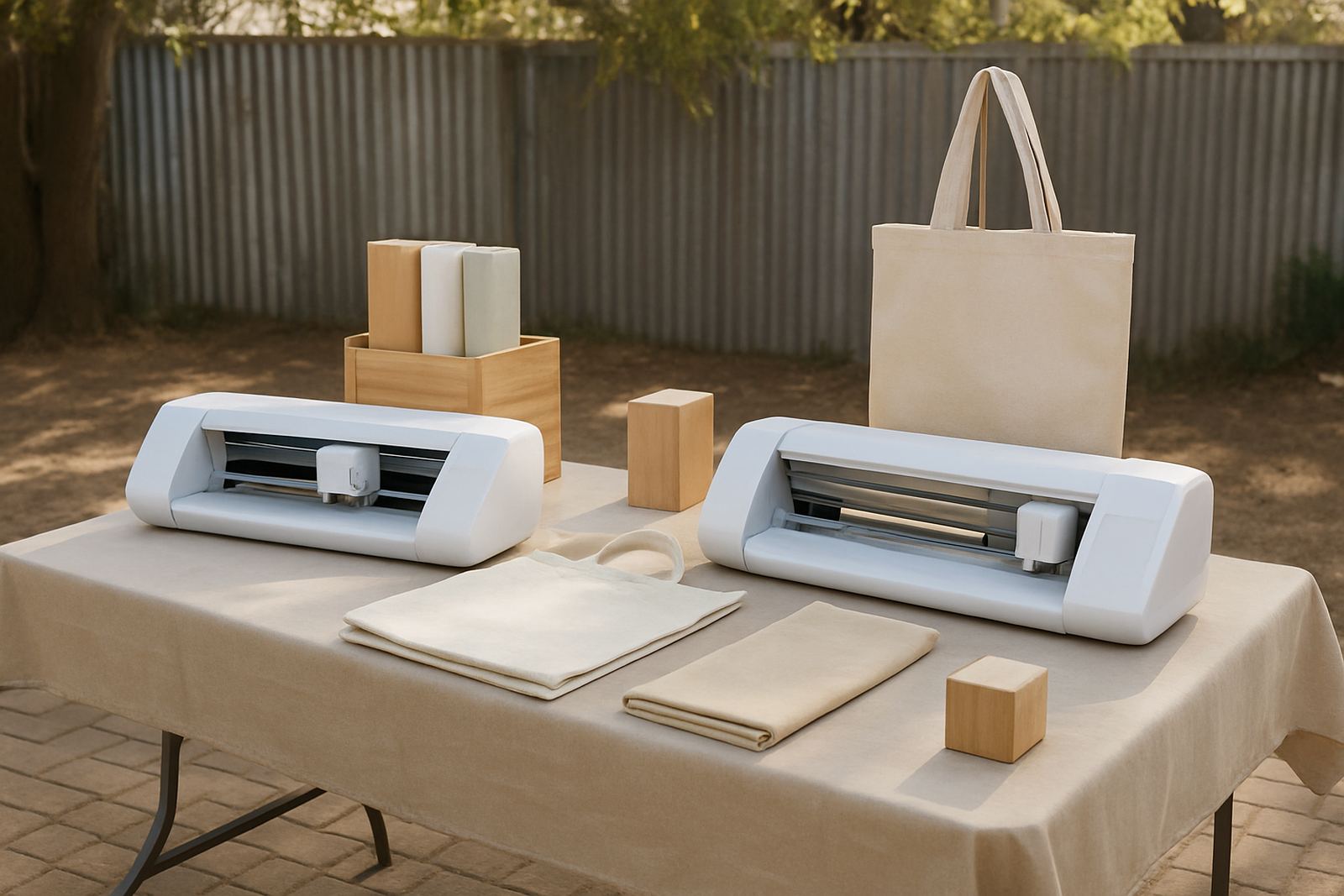
Custom bags can be profitable because customers often want names, logos or event details on a practical item. But not every bag is suitable for transfer work. Look for a flat front panel, enough space for your artwork, and stitching that will not create pressure points under the press. Tote bags with a cotton canvas feel are usually easier than soft pouches with seams close to the design area.
For school bags, shopping bags and conference bags, check whether the front panel bows out when filled. If it does, the garment may need a rigid insert during pressing or the design should be kept smaller and higher on the face. In Johannesburg and Pretoria East, where customers often want quick turnaround for events, it helps to standardise on a few bag styles so you can repeat settings with less trial and error.
- Pick bags with a flat press area and enough room for your design.
- Avoid very thick zips, bulky seams and deep gussets near the print zone.
- Test whether the fabric accepts heat without marking or shine.
- Check handles and lining so they do not interfere with the platen.
Babywear Needs Gentler Handling and Better Quality Control
Babywear is small, but it leaves very little room for error. The fabric must be soft against the skin, the seams should be neat, and the transfer must sit securely without adding stiffness around the chest or neckline. Choose garments with reliable construction, because baby clothes often get pulled, washed often and folded tightly. A rough print edge or overheated patch is not acceptable on this type of order.
Keep your design size modest and place it where it will not rub against nappies, snaps or zips. Pressing baby grows and small tees usually needs more care than adult garments because the panels are tiny and the pressure area is harder to control. If you are supplying shops or gifts in Sandton or Roodepoort, make sure the blanks are consistent from pack to pack so the same settings work every time. That saves time and cuts down on reworks.
Colour Choice Can Affect Both Readability and Heat Results
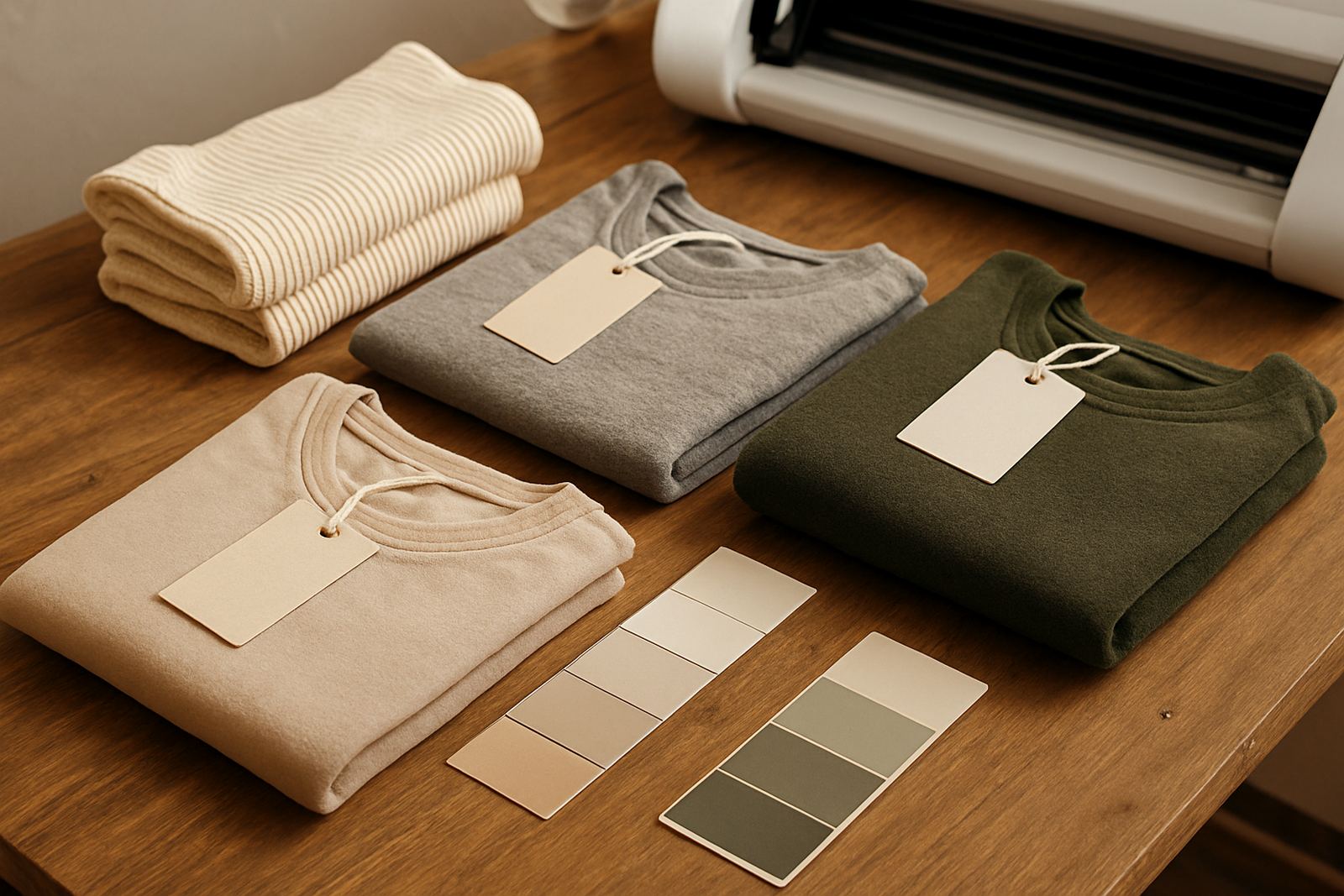
The colour of the blank changes how your artwork reads, especially with lighter vinyl shades or printed designs. On white and light grey garments, fine lettering is usually easier to read, while dark garments need stronger contrast. If you are applying standard HTV, some colours show press marks more easily than others. Very dark navy or black can reveal shine if the temperature is too high or if pressure is uneven.
Also think about colour consistency across repeat orders. A customer may come back six weeks later wanting another batch of staff shirts and expect the same look. If the garment shade changes slightly between suppliers, the logo can look off. Keep a simple record of the blank colour, fabric content and press setting for each successful order. It makes the next run easier, especially when load-shedding interrupts your workflow and you need to reset quickly after a power cut.
Buy Sample Packs and Build a Short List of Proven Blanks
The smartest way to source blanks is to test a small range, then stick to the items that work in your own studio. A sample pack gives you a chance to check hand feel, stitching, press response and wash durability before committing cash. That matters for small businesses watching stock levels and margins. One poor garment choice can turn a profitable order into a loss.
Keep notes on each blank you test. Record the fibre content, size range, where the seams sit, whether the press gave a clean finish and how the item felt after washing. After a few rounds you will have a short list of shirts, bags and babywear that suit your machine and customers. From Kya Sand to Midrand, that practical list is often more useful than a long catalogue.
- Test on a sample before bulk buying.
- Write down press time, temperature and pressure.
- Wash one sample to check for peeling, cracking or fade.
- Keep only the blanks that give repeatable results.