
Start with a simple pricing formula
The easiest way to price a custom item is to add up your material cost, your making time and a margin for waste or errors. If you only price the vinyl or blank item and ignore the hours spent cutting, weeding, pressing and packing, you end up working for very little.
A simple home craft formula looks like this: materials + labour + overheads + mistake allowance = base price. From there you can add profit. It is better to keep the method basic and repeat it for every order than to change it each time someone asks for a quote.
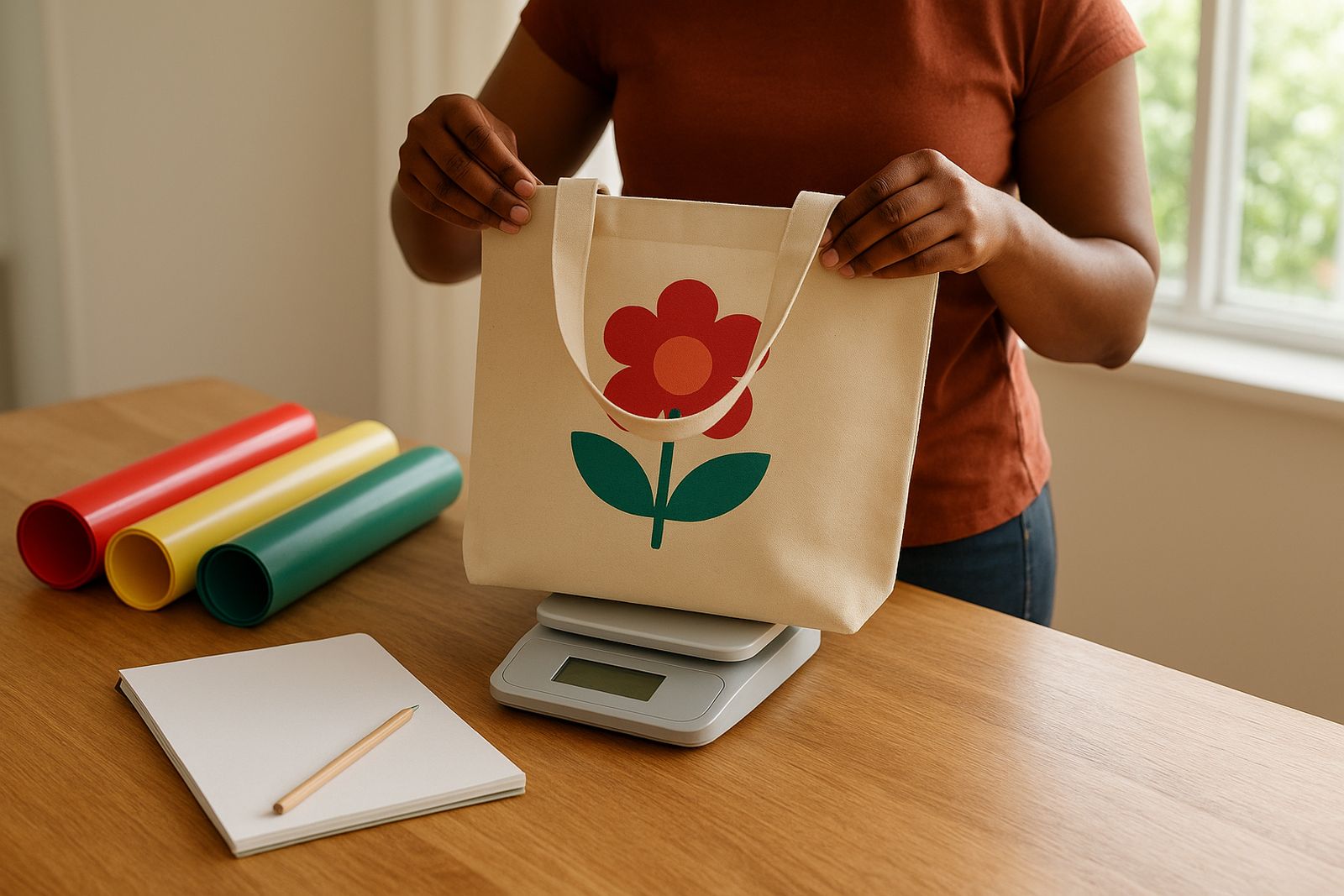
For example, if a personalised baby grow uses R18 of heat transfer vinyl, R35 for the garment and about 25 minutes of work, you can already see the item should cost more than the sum of the parts. Even a small job has setup time, and that time counts.
Count every material, not just the main sheet
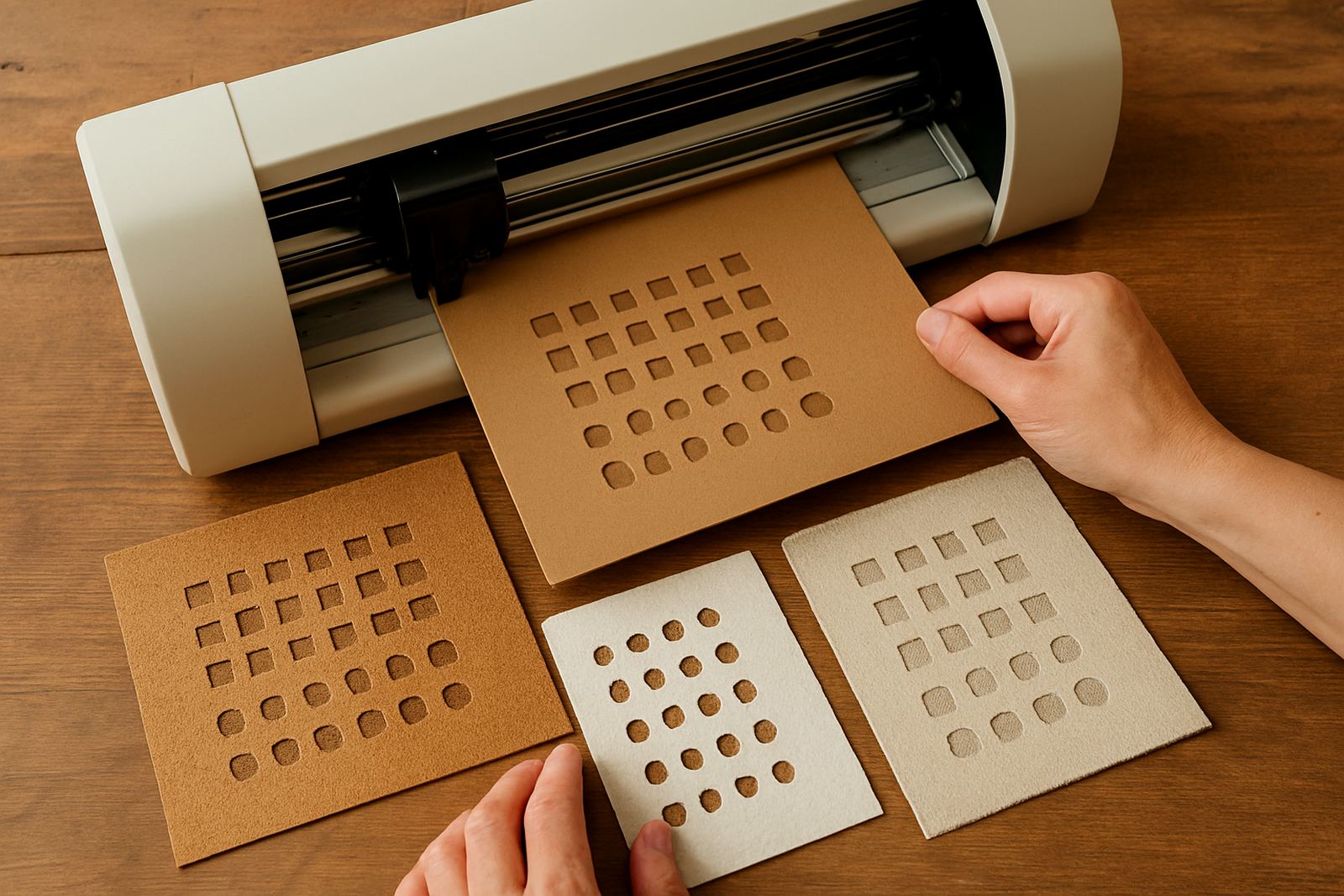
Many crafters remember the vinyl, but forget the small items that keep the job going. Transfer tape, masking, test cuts, packaging and even the spare sheet used after a bad weed all belong in the calculation.
- Vinyl or heat transfer vinyl used per item
- Blank product such as a tote bag, shirt or sign board
- Transfer tape, weeding scraps and backing waste
- Packaging, labels and courier bags if you post nationally
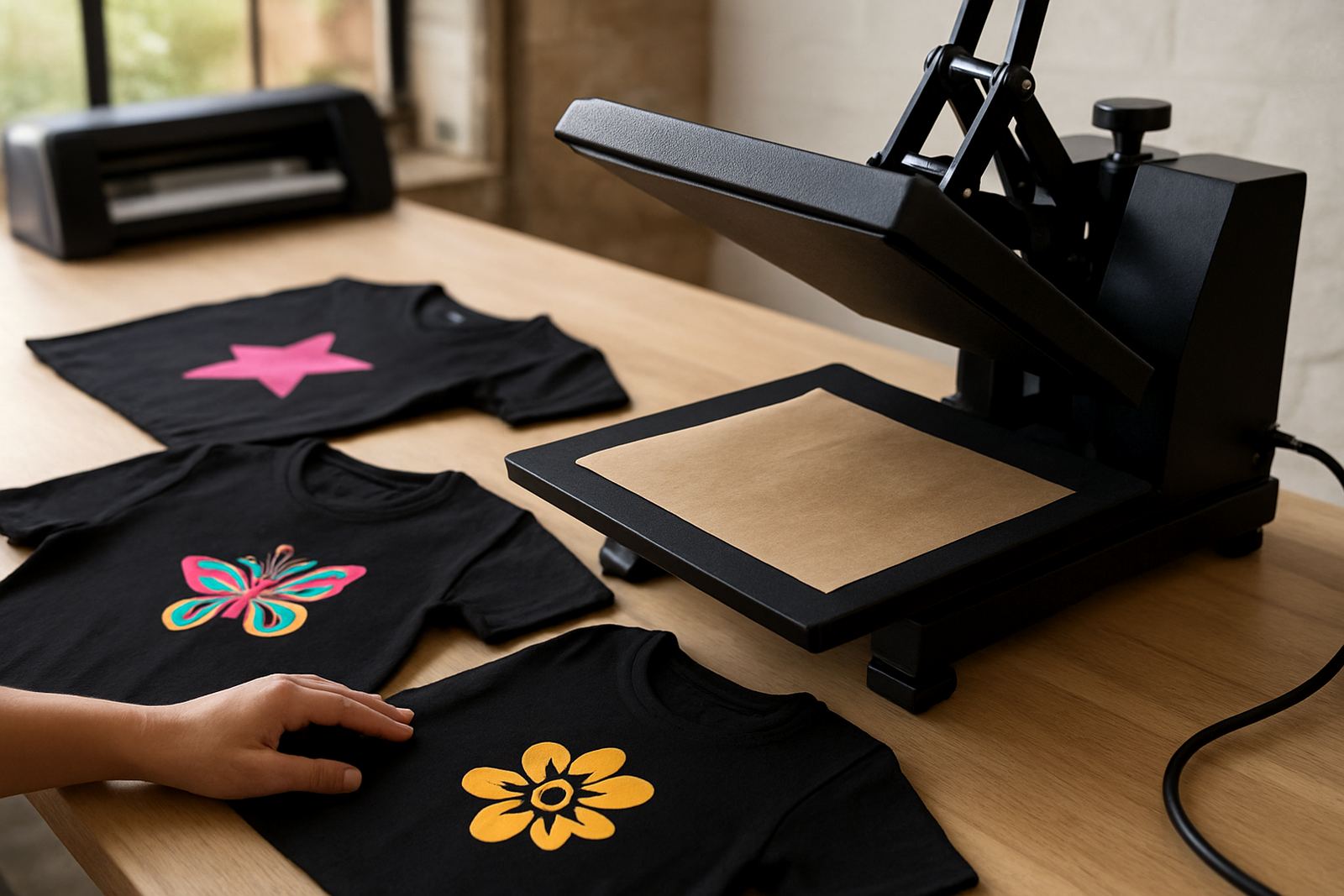
- Electricity and heat press use, especially during load-shedding when you may need extra planning
If you cut in Kya Sand or work from home in Randburg, your stock will also feel the effect of humidity in summer. Some materials lift or curl, so it helps to allow for a few extra centimetres on each job. That small buffer stops you from running short on the last press.
Put a value on your time and skill
Your cutting machine does part of the work, but not all of it. Someone still has to prepare the file, check sizing, load material, run a cut test, weed the design and finish the item neatly. If the design is detailed, that time grows fast.
Set an hourly rate that makes sense for your level and local market. A beginner might start lower, while a seller doing regular orders in Sandton or Midrand can charge more once their process is faster and more reliable. The point is to pay yourself for the full job, not only the cutting stage.
A good habit is to time three or four common products and write them down. Once you know that a one colour name decal takes 12 minutes while a layered school bag design takes 35 minutes, pricing becomes much easier and less emotional. You also avoid underquoting when a customer wants a rush order by tomorrow morning, which happens more than you think.
Leave room for mistakes and test cuts
Every maker has failed pieces. A blade can drag, a setting can be off, or a press can be too hot. If you do not build that into your pricing, you end up swallowing the cost yourself.
For home craft pricing, a small mistake allowance is practical. It could be 5 percent to 10 percent of material value on standard jobs, or a fixed amount per item. The exact figure depends on the type of work, the detail in the artwork and how often you run test cuts before a full job.
- Test cuts on new vinyl or new blade settings
- Extra material for alignment mistakes
- Reprints when a press mark or scorch appears
- Replacement decals if a name is applied crooked
This is especially important for new sellers in Pretoria East or Roodepoort who may still be learning blade calibration and material testing. A tiny setup fault can waste a full sheet, so your prices should carry that risk rather than treating it as a free loss.
Use local examples to set realistic prices
Pricing works best when you compare it to the kind of orders people actually buy. A personalised mug for a school fundraiser is not the same as a set of 20 event labels for a small business in Johannesburg. One is a one-off, the other has repeat work and less design time per item.
Here is a basic local example: a custom T-shirt in Randburg might use R40 for the shirt, R15 for the vinyl and R20 worth of labour and setup. Add a mistake allowance and your final price could sit around R90 to R120 before delivery. If the customer wants matching shirts for a family event, you may reduce the labour per shirt, but not the material cost.
The important part is consistency. If you quote one price in Kya Sand and a totally different price for the same job in Midrand, customers start to ask questions. Keep one sheet of numbers and use it every time.
Make pricing easier with a repeatable checklist
A short checklist saves time and helps you quote faster, especially when orders come in by WhatsApp or message. It also makes it easier to explain your price if a customer asks why a name sticker or heat transfer job costs what it does.
- What is the item and size needed?
- How many colours or layers are involved?
- What are the blank item and vinyl costs?
- How long will setup, cutting and finishing take?
- Is there any risk of waste, rush work or rework?
If you sell nationwide, add courier costs and packaging before you confirm the order. For local collections around Kya Sand, Sandton or Roodepoort, you may not need delivery charges, but you should still charge properly for your time. A clear checklist keeps the pricing fair and stops small jobs from eating into your profit.