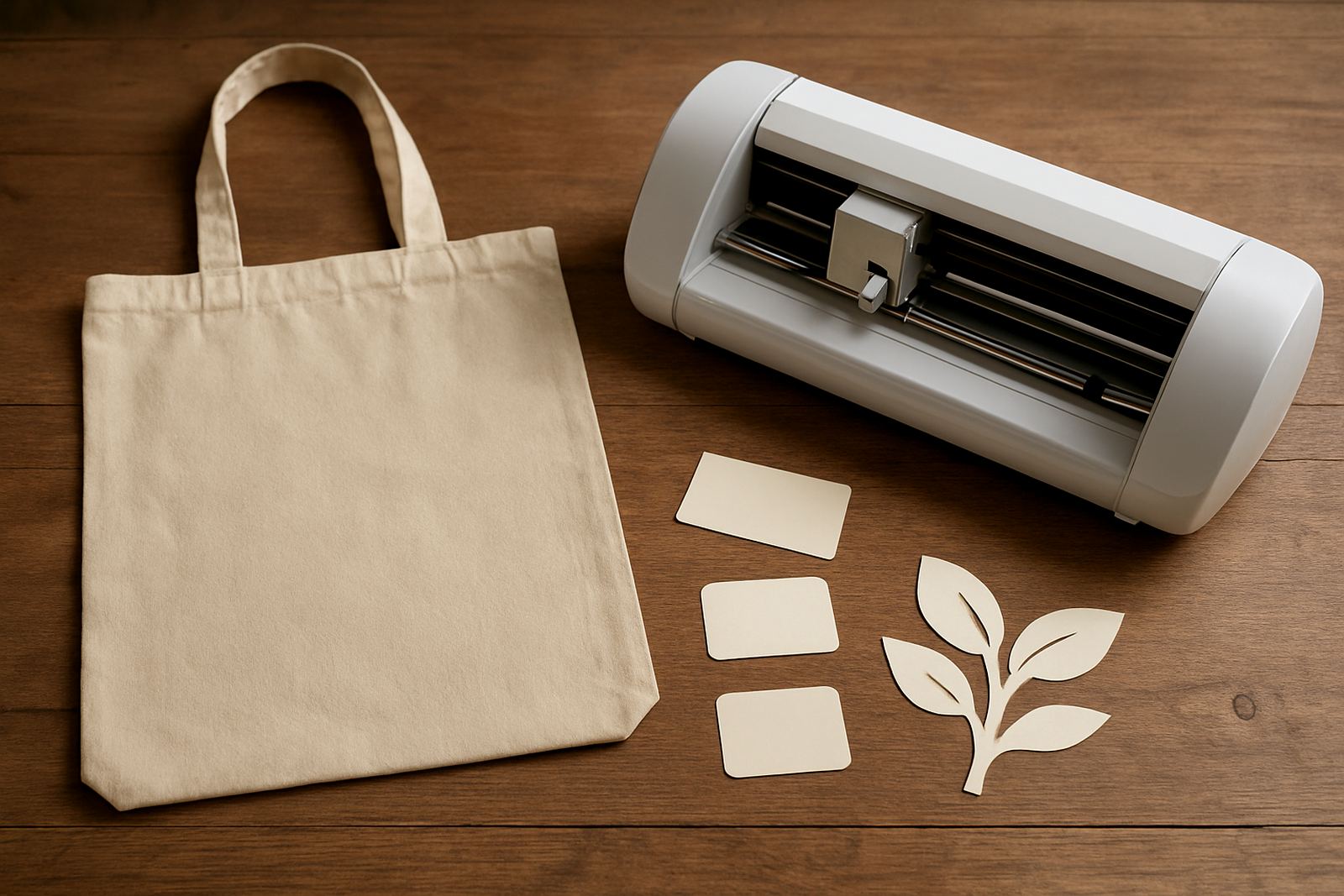

Why a clean mat gives cleaner cuts
Most cutting problems are blamed on the machine first, but the mat is often the real issue. If the sticky layer is clogged with lint, paper dust, vinyl offcuts or adhesive residue, the material can creep during a job and the blade starts chasing tiny shifts. That is when corners lift, letters miss their weed lines, and small details become a fight.
A mat in good condition helps keep pressure even across the full sheet. That matters when you are cutting HTV for shirts in Randburg, sticker vinyl for a home business in Midrand, or cardstock for market stock in Pretoria East. Even a small wobble at the start can show up as a rough edge at the end.
Clean mats also reduce waste. You get better first cuts, fewer re-cuts, and less time picking off scraps. For anyone running jobs after load-shedding, when every minute counts, that extra consistency saves a lot of frustration.
How to clean a mat without stripping the grip
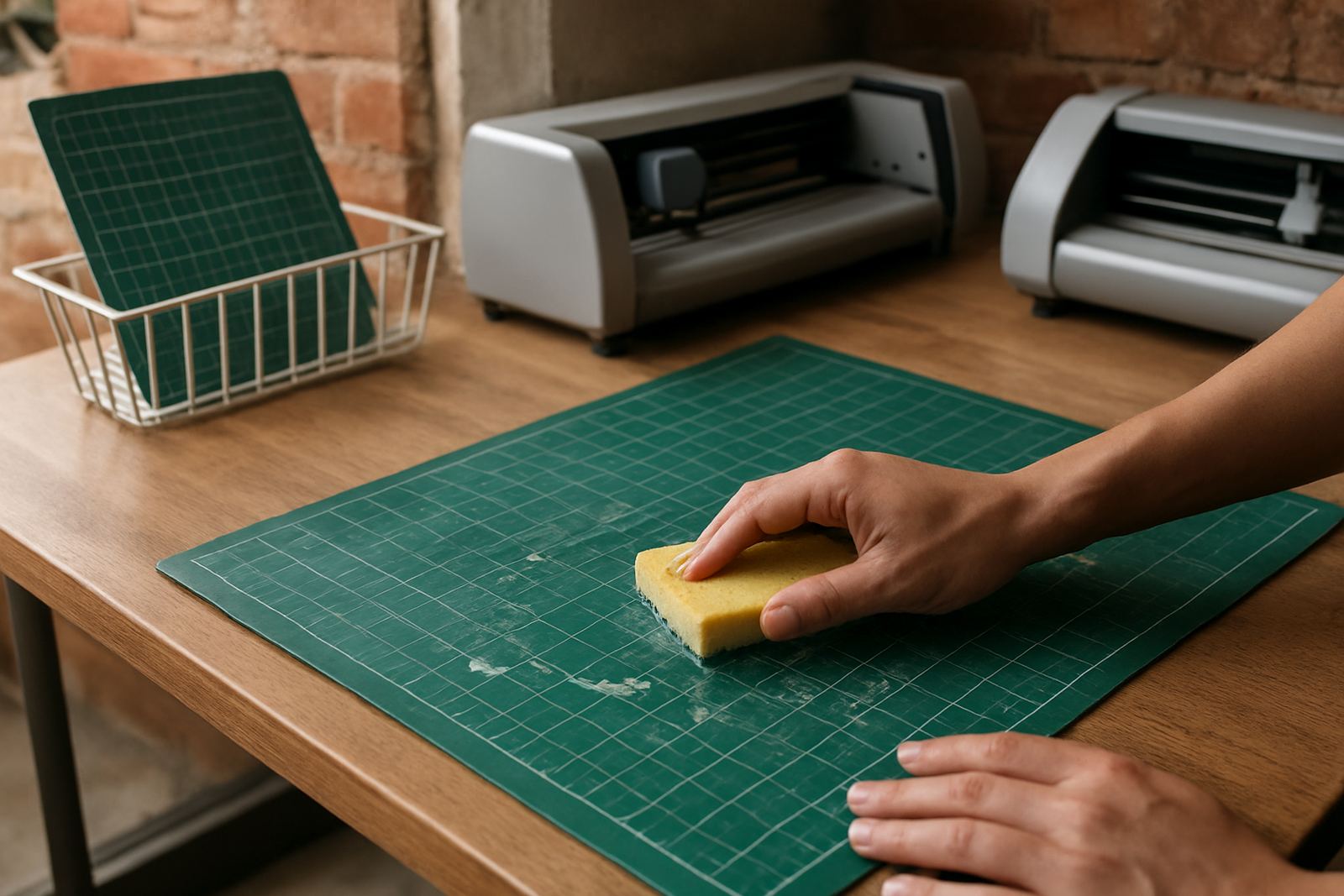
Use a gentle method first. Warm water and a soft sponge will remove most dust and light residue. A little dish soap is usually enough. Rinse well and let the mat air-dry flat, sticky side up, away from direct sun. Do not use harsh solvents, scouring pads, or anything that leaves the surface cloudy.
For heavier build-up, lift debris with a low-tack lint roller or a piece of clean vinyl scrap dabbed across the surface. That often works better than scrubbing. If the mat has a lot of paper fibre stuck in it, a light wash can restore the grip without making it too tacky.
- Wipe off dust after every few jobs, not only when the mat looks dirty.
- Wash mats before they collect thick residue from cardstock or flock.
- Dry fully before storing, because trapped moisture can weaken the adhesive layer.
- Keep sharp tools away from the surface so you dont score the coating.
When the adhesive is the problem
Sometimes cleaning is not enough. If material slides even after washing, the adhesive may be worn out or uneven. You may notice dead spots in the middle, overly sticky edges, or patches that grab on one side and release on the other. That creates feeding issues, especially on longer jobs where the cutter is pulling material in more than once.
Check the mat under a bright light. If you can see knife marks, lifting corners, or shiny worn lanes where the material passes most often, the mat may need replacement. A mat that is too far gone can also leave residue on delicate vinyl and make weeding messy.
For smaller home businesses, it is often better to keep one mat for everyday work and another mat for special jobs like thin paper, fabric-backed material or heavier card. That way the mat condition suits the material, and you avoid forcing one mat to do everything.
Store mats so they stay flat and sticky
How you store a mat matters almost as much as how you clean it. A curled mat can feed unevenly and cause the leading edge to lift as it enters the cutter. Heat from a window, a car boot, or a wall near a geyser can warp the base over time. In Johannesburg winters the air is dry, while coastal humidity in other parts of the country can change how the adhesive behaves. Storage should keep conditions as steady as possible.
Best practice is simple: keep mats flat, dust-free, and covered when not in use. If you need to move them between a workshop and home, slide them into a sleeve or place them on a flat shelf. Do not lean heavy boards on top of them, as that can dent the surface.
- Store away from direct sun and heaters.
- Keep the protective film if the mat came with one.
- Never roll a mat tightly for long periods.
- If dust is a problem, cover it with clean paper or film between sessions.
Match the mat to the job, not just the machine
Different materials need different grip. Thin vinyl sheets only need enough hold to stay flat. Cardstock often needs a stronger tack so it does not shift on long intricate cuts. Fabric-backed jobs may need a mat that is clean but not overloaded with sticky patches that leave marks behind.
Before a full production run, do a small test cut on the same material. Check whether the sheet loads straight, whether the rollers track evenly, and whether the blade is cutting through cleanly without dragging. A five minute test can save an entire stack of wasted material.
Here is a practical way to choose the right mat condition:
- Light tack for delicate paper and heat transfer vinyl.
- Medium tack for general craft vinyl and mixed use.
- Stronger tack for thicker cardstock or detailed designs that need firm hold.
- Freshly cleaned mats for small lettering and fine detail work.
Simple routines that keep feeding steady
A good mat care routine does not need to be complicated. The key is doing small jobs often instead of waiting until the surface is packed with residue. If you cut every day, give the mat a quick check before the first job and again after a busy session. If you only cut on weekends, inspect it before loading anything expensive.
Run through this checklist to keep your mat in working order:
- Remove loose scraps after each cut.
- Wash lightly when dust starts building up.
- Check for worn patches once a week.
- Replace the protective cover after drying, if there is one.
- Store flat so the edges dont lift.
In a small Kya Sand workshop, a cleaner mat often means fewer pauses during the day. That matters when you are trying to finish school labels before collection or run custom shirt jobs between power cuts. A bit of care up front keeps the machine feeding properly and the cuts looking sharper.