
Start with one planner niche, not every idea at once
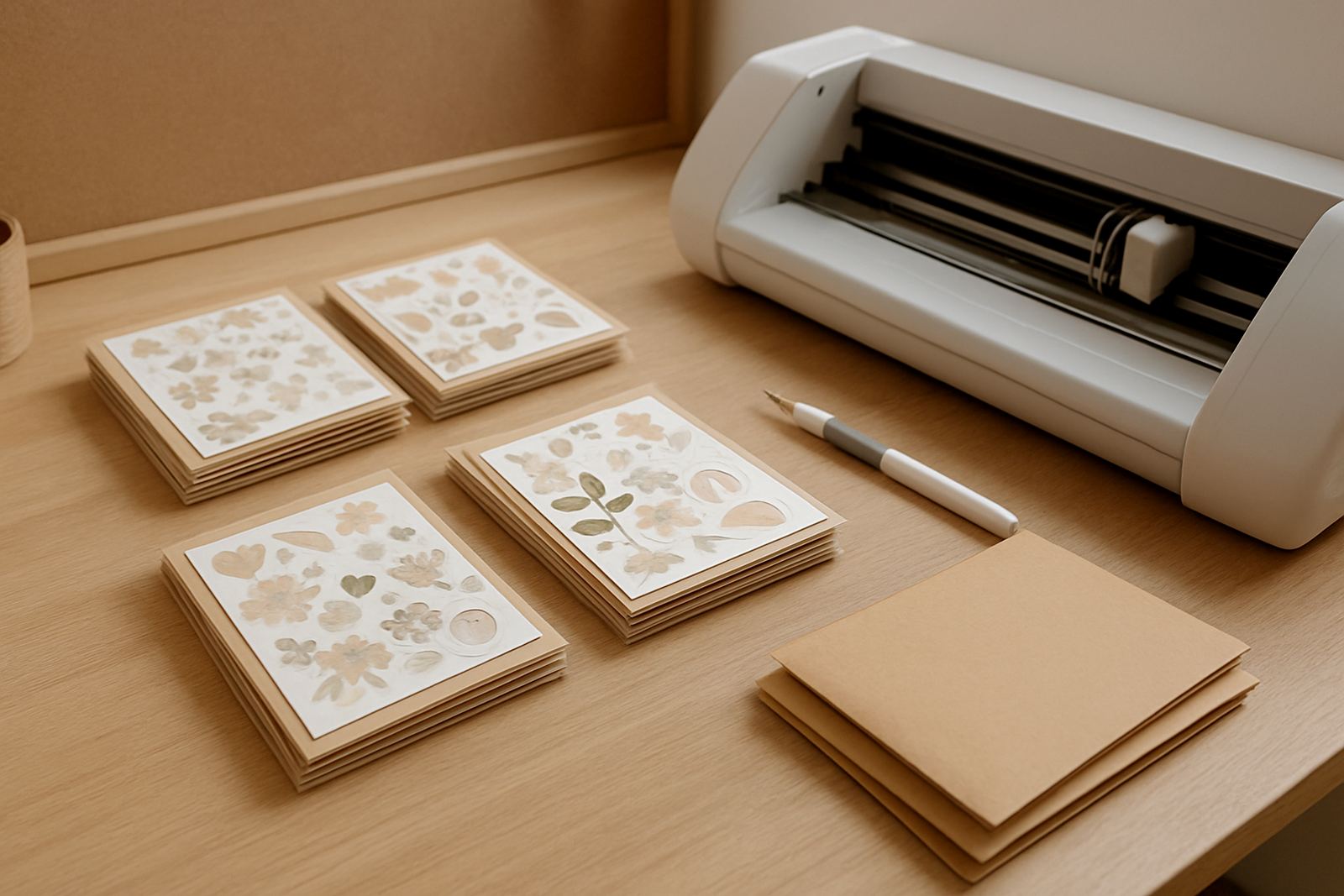
The quickest way to get stuck is to try making every type of sticker sheet from day one. Pick one clear niche such as weekly planner boxes, habit trackers, journalling icons or small business date dots and build around that. A focused range makes it easier to buy the right vinyl, set your pricing and explain what you sell to customers in Johannesburg, Pretoria East or anywhere else in the country.
For a new home setup, the goal is to keep your first range small enough to reprint quickly. Three to five sheet designs is usually enough. That lets you judge which styles sell, which colours are easiest to weed, and which sheets take too much time. If a design needs too much hand cutting or fiddling, it will eat your margin fast, especially when you are doing the packing yourself.
- Choose one customer type first, such as students, mums, teachers or small business planners.
- Keep sheet sizes standard so your cutter settings stay consistent.
- Use a simple naming system for each design so reorders are easy.
- Track which sheet styles need the most time per run.
Build sheets that cut cleanly and weed without fuss
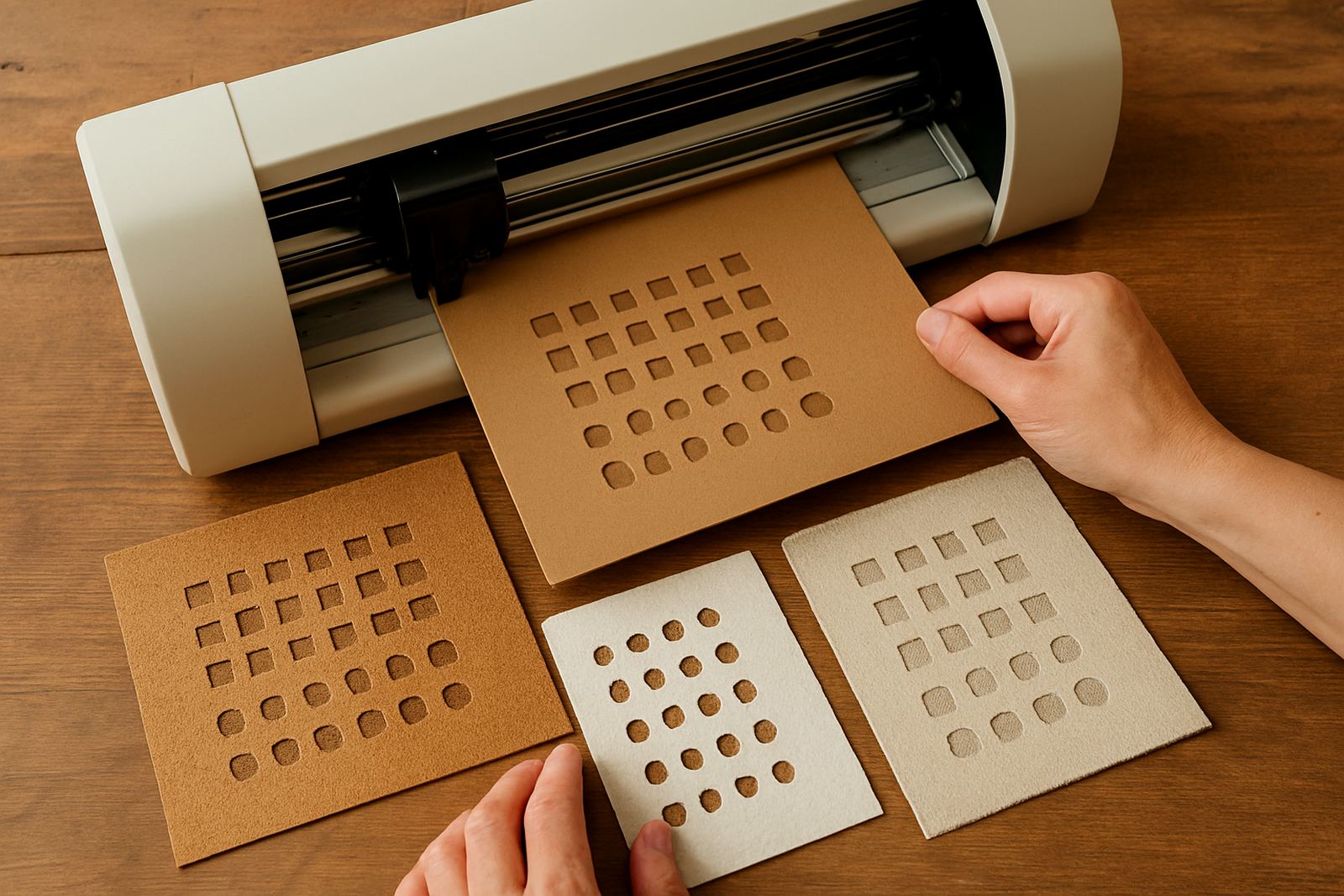
Sticker sheets need clean cuts more than clever artwork. Fine details can look attractive on a screen but become a headache once the blade starts moving. If you want a home business that is manageable, design with the machine in mind. Leave enough spacing between icons, use clear cut lines and avoid tiny gaps that tear when you weed.
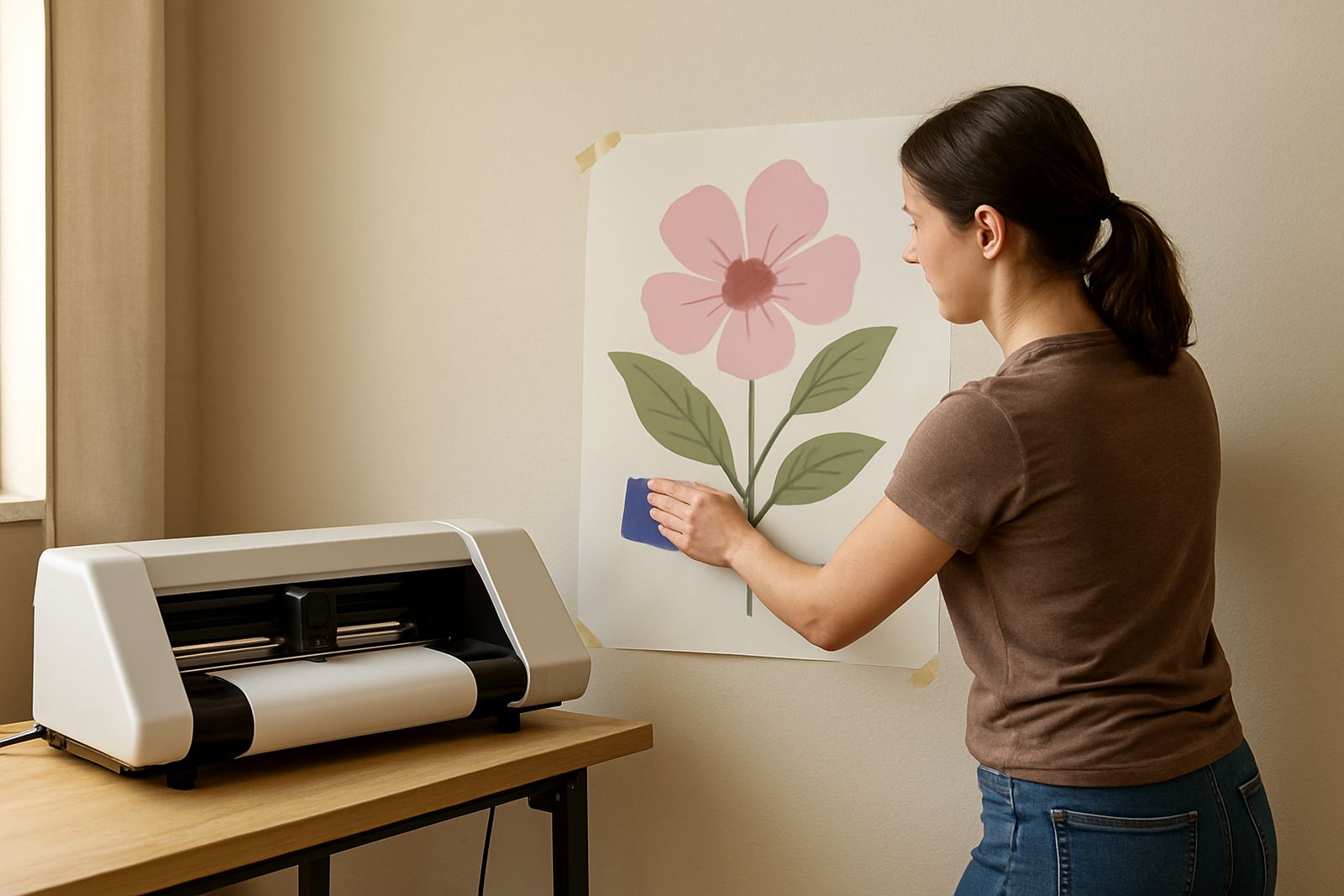
A good desktop craft cutter helps here because you can test small runs before committing to a full batch. Start with material tests on the sticker vinyl you plan to sell, then adjust blade depth and pressure until the corners are neat and the backing paper stays intact. In Kya Sand, where many creators work from spare rooms or garage corners, that testing step saves a lot of wasted material and a few swear words too.
- Keep fine text large enough to read after cutting.
- Avoid overpacked sheets that slow down weeding.
- Test matte and glossy sticker stock separately.
- Save a sample cut for each material setting you use.
Price for profit, not just for a quick sale
Planner stickers often look cheap to produce, but the real cost includes design time, material waste, blade wear, packaging and the hours spent answering messages. If you only price by the square metre of vinyl you will undercharge. A home business needs a simple formula that covers your direct costs and leaves room for repeat work.
Work out the cost of one sheet, then add your labour and overheads. If you are paying for courier bags, ink, power top ups and the odd replacement blade, those costs have to be included. Many small sellers in Sandton or Randburg start with low prices and later discover they are busy but not making anything worthwhile. That is hard to fix once customers expect a bargain.
- Count all consumables, including transfer tape, cutting mats and packaging.
- Add a margin for failed cuts and test sheets.
- Set wholesale pricing separately from retail pricing.
- Review your prices after every 20 to 30 orders.
Keep production simple enough for home and load shedding
A planner sticker business runs better when the workflow is short and repeatable. Design, cut, weed, inspect, pack and invoice should happen in the same order every time. If your workspace is in Midrand or Roodepoort and you are sharing the home with family, you need a setup that can pause and restart without losing track of unfinished sheets.
Load shedding adds another layer. Save your files locally, keep a backup laptop charger if possible and plan cutting jobs around power windows. Some owners batch their print prep early in the morning, then cut and package later in the day. That avoids the rush of trying to finish a run when the lights go out and the machine is halfway through a sheet. A calm process is better than trying to rush and making a mess.
- Batch similar colours or sheet types together.
- Label every order before you start cutting.
- Keep spare blades, mats and a small cleaning kit close by.
- Store finished sheets flat to stop curling in humid weather.
Use local examples to shape your first range
South African buyers often respond well to practical planner stickers that fit local routines. Think school terms, payday reminders, public holiday markers, municipal service dates and small business invoicing blocks. A customer in Pretoria East may want a neat home and family planner, while someone in Sandton could be looking for a cleaner office planner with meeting icons and month tabs. That local relevance can set your sheets apart without making the range too broad.
At VinylCutter Craft, we often see new makers do better when they offer one or two sheet styles for a clear use case, rather than trying to serve everyone at once. A planner startup in Kya Sand, for example, might start with habit tracker sheets for teachers and admin staff, then add monthly budget labels once orders start repeating. That keeps the business manageable and lets the maker learn what local customers actually ask for, not just what looks good online.
- Include South African calendar dates and public holidays where useful.
- Offer colour themes that suit school, office and home planning.
- Keep popular sheet sizes easy to pack and courier.
- Use feedback from the first 10 orders to refine the next batch.
Get support on the machine side before small problems become delays
When sticker orders start coming in, machine downtime becomes expensive. A cutter that drifts, a blade that digs too deep or software that stops talking to the machine can throw off your whole week. Sort those issues early with blade calibration, software connection help and cut quality troubleshooting. It is much easier to fix a small fault than to reprint and recut 40 sheets because the first batch was off-centre.
If you are based in Johannesburg or nearby areas like Randburg, Sandton, Midrand, Roodepoort or Pretoria East, a local support team can help with setup, routine cleaning and replacement parts guidance. Remote support sessions are useful too when you just need someone to walk through the workflow with you. A steady machine means steadier sales, and less stress on the person who is packing orders at the kitchen table.
Planner sticker startups work best when the creative part and the production part are equally practical. Keep the designs simple enough to produce, keep the prices honest and keep the machine maintained. That way the business grows in steps, not in fits and starts.