What HTV is and where it works best
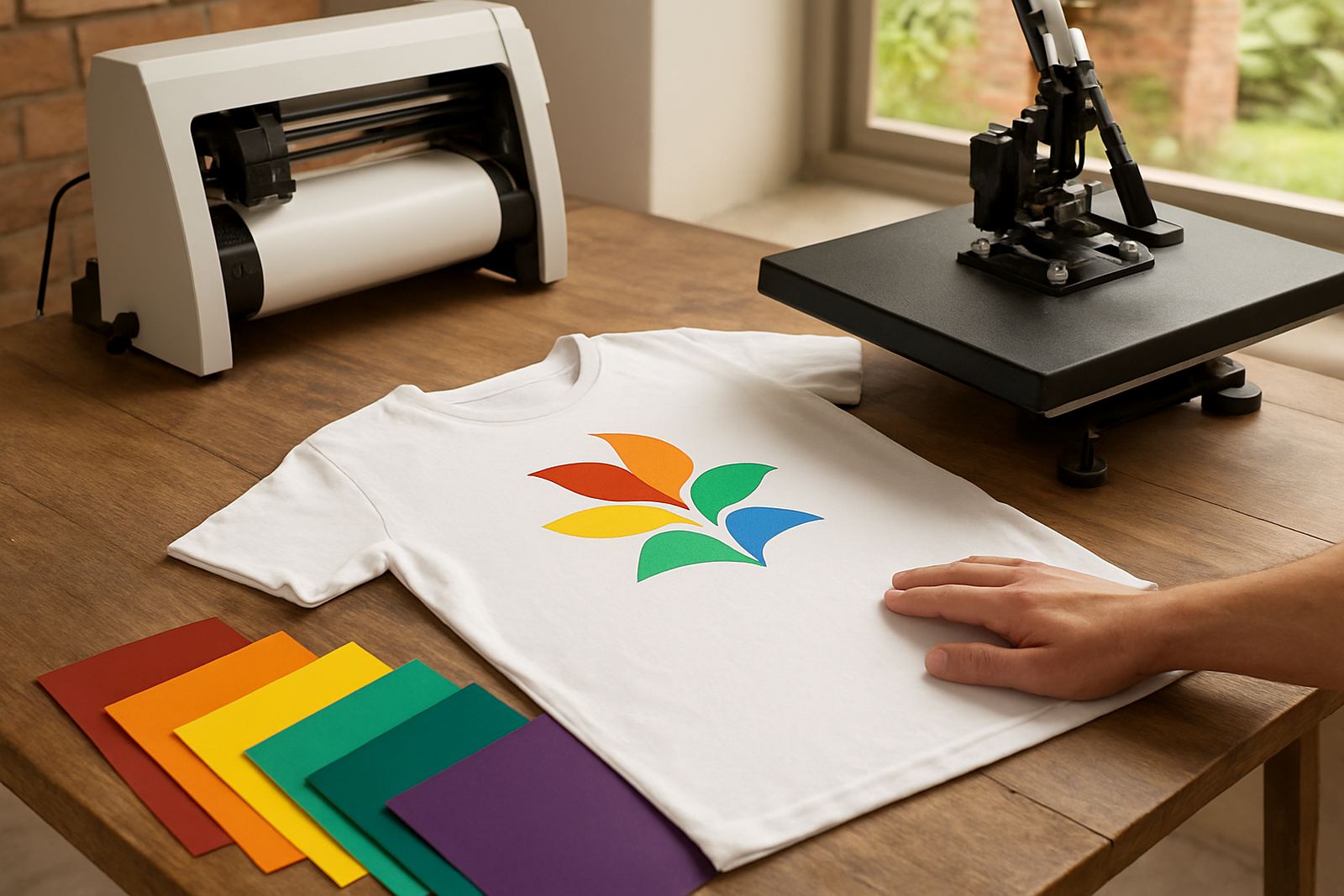
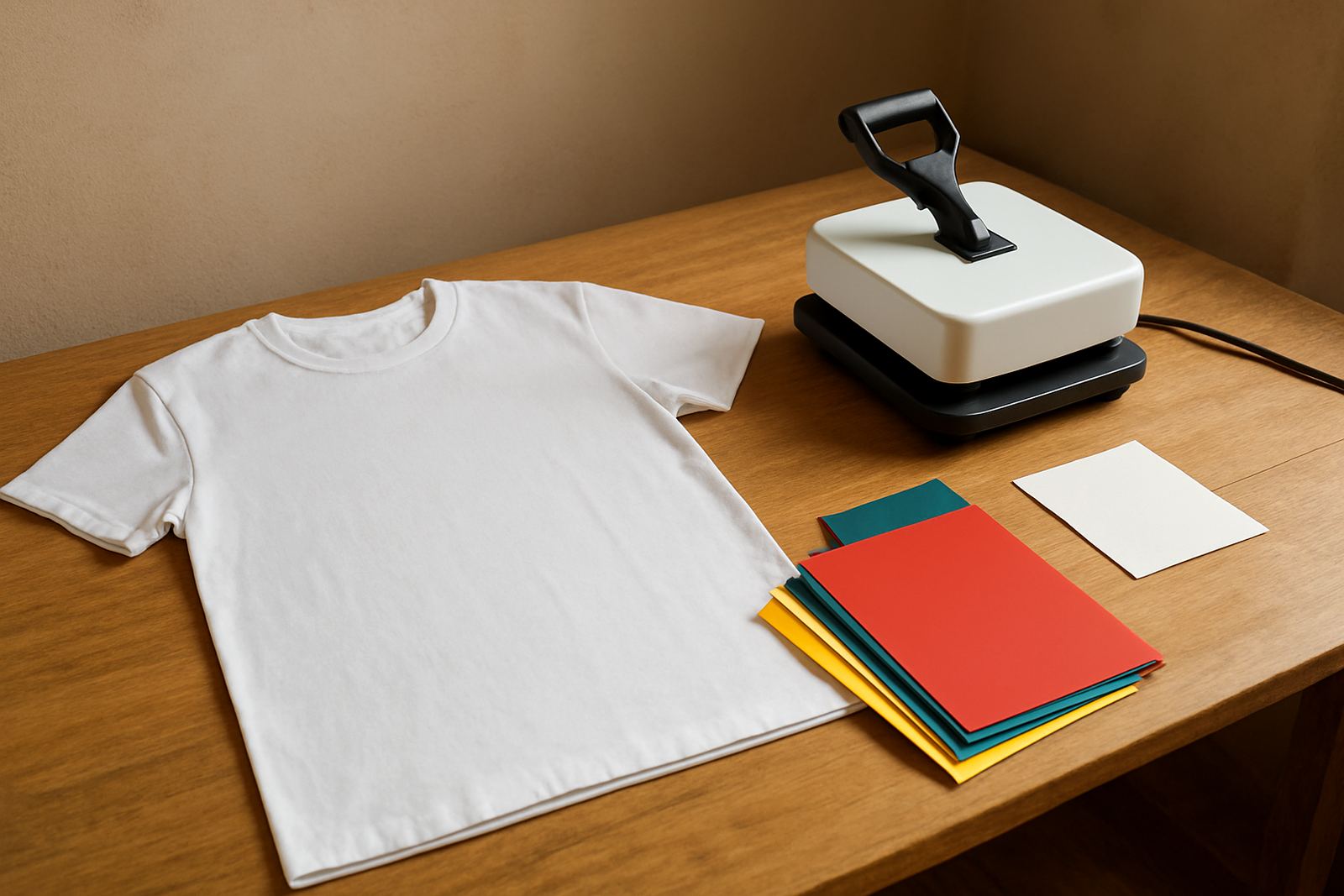
HTV is a thin coloured film with an adhesive backing that bonds to fabric when heat and pressure are applied. It is commonly used on cotton T-shirts, cotton rich hoodies, tote bags, caps and sportswear details. For beginners it is a practical material because you can cut simple shapes, remove the excess vinyl, then press the design onto the garment.
It is important to know that HTV is not the same as ordinary sticker vinyl. It is made to sit on fabric and handle washing once pressed correctly. On polyester items or stretch fabrics, the type of vinyl and the press settings matter even more. In humid areas like parts of Gauteng after rain, keep your rolls and offcuts flat and dry so the adhesive layer does not pick up dust or moisture.
Choose the right garment before you cut
Good results start with the garment. A smooth, flat surface is easier for beginners than ribbed fabric, fleece with a deep pile, or heavily textured items. For your first jobs, plain T-shirts and simple tote bags are the safest choice. Dark garments need good opacity, while light garments show pale colours more clearly.
- Check the fabric content on the label.
- Wash the garment first if it has factory finish or sizing.
- Make sure seams, zips and pockets will not sit under the press area.
- Lay the item flat and check for lint, dust or loose threads.
- Confirm the size of the design before cutting, especially for children’s clothing.
If you are working from Kya Sand, Randburg or Midrand, keep a small sample box with cotton, polycotton and polyester pieces so you can test each HTV type before a larger run.
A simple beginner workflow from file to cut
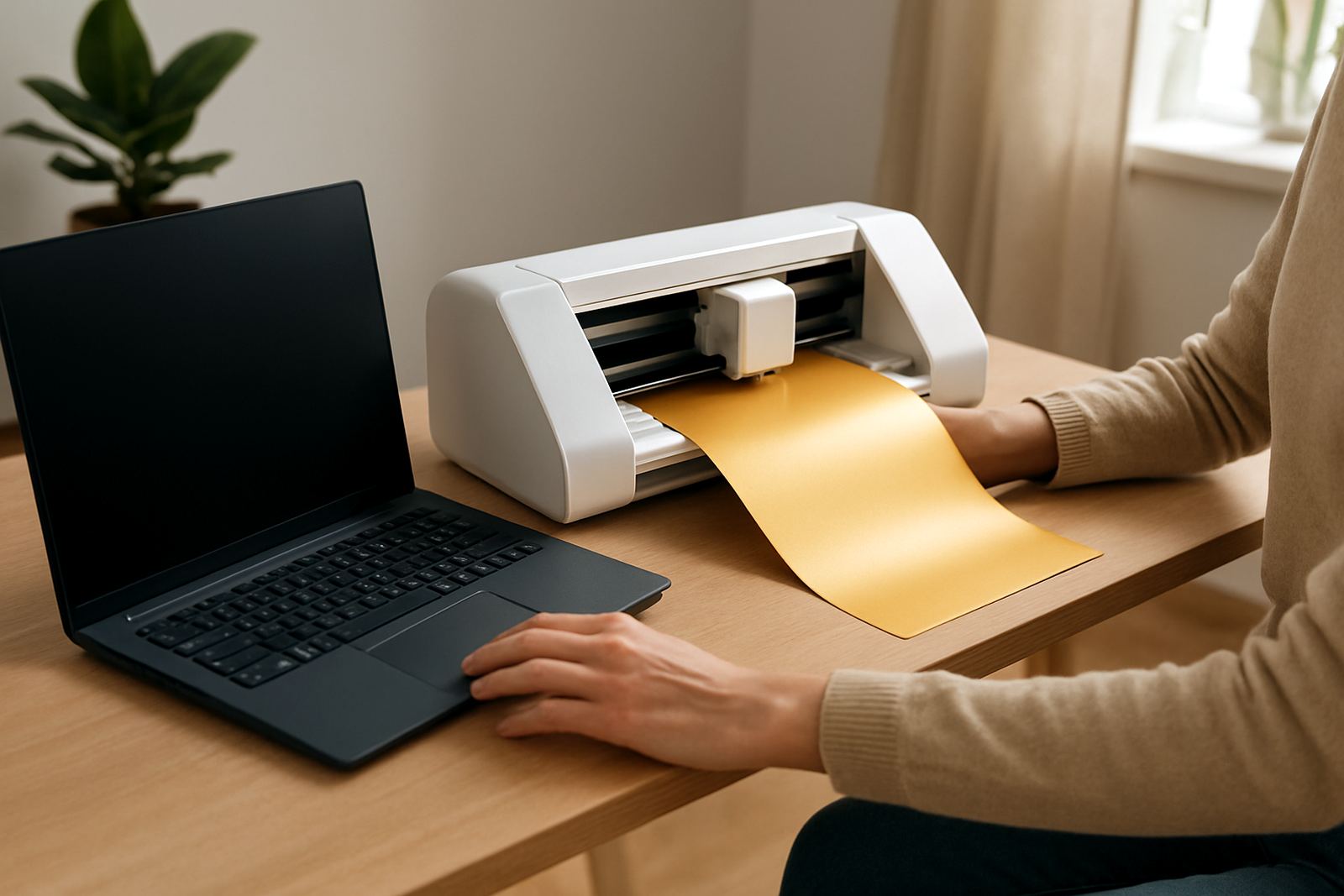
Once your artwork is ready, mirror the design before cutting. This is one of the most common beginner mistakes because HTV is cut from the back and pressed face down. Keep the design clean and avoid fine detail until you are comfortable with the process. Larger lettering and bold shapes weed more easily.
- Mirror the artwork.
- Place the HTV shiny side down on the cutting mat.
- Load the mat straight so the cut stays accurate.
- Do a small test cut before the full job.
- Cut at a speed that suits the detail, not just the quickest setting.
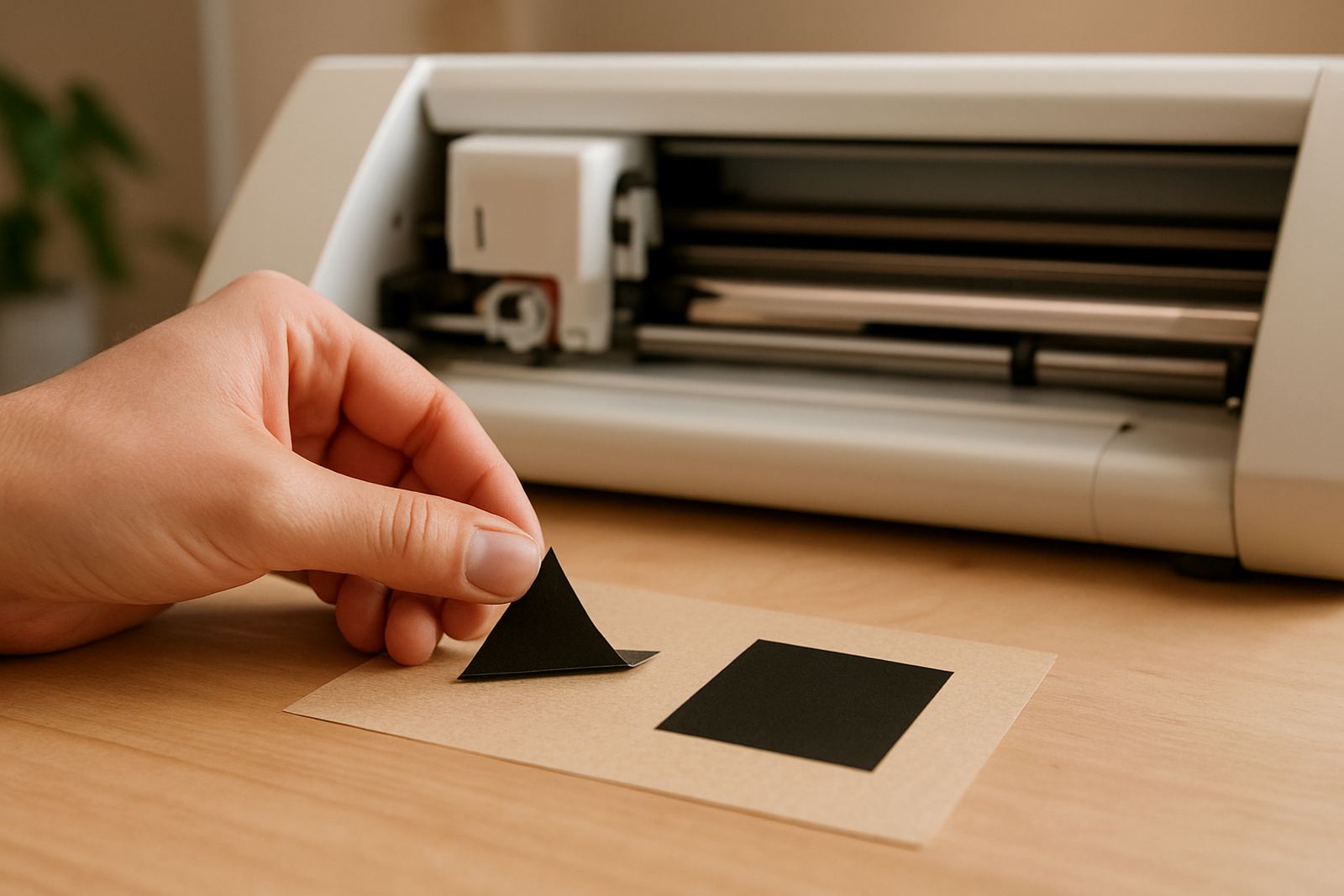
After cutting, weed the excess vinyl carefully with a hook or similar pointed tool. Take your time around small letters and inner counters such as O, A and R. If the cut is too light, the vinyl tears when you weed it. If it is too deep, you may mark the carrier sheet. A neat cut saves a lot of time later.
Pressing HTV with the right heat and pressure
Pressing is where the design becomes part of the garment. Use a heat press or an even iron surface with steady pressure. Household irons can work for very small jobs, but they are harder to keep consistent. A flat press gives better results for heat, pressure and repeatability, which matters if you are doing small business orders.
Always follow the temperature and time guidance for the specific HTV you are using. As a general beginner rule, place the garment on a pre-heated press, remove moisture with a short pre-press, then position the design and press with firm pressure. If the vinyl is a hot peel or cold peel type, allow the correct cooling time before removing the carrier sheet. Rushing this step can lift the corners.
For workshops in Pretoria East or Roodepoort, check the press has stable power after load-shedding. A machine that heats unevenly can leave patches that do not bond well.
Aftercare that keeps the print looking good
Once the design is pressed, let the garment cool fully before folding or packaging. Tell the wearer to wait before the first wash, and to avoid stretching the print area while it is still warm. Simple care advice can make a noticeable difference to how long the HTV lasts.
- Wash inside out.
- Use cold or lukewarm water.
- Avoid harsh bleach or strong stain removers on the print.
- Do not iron directly on the vinyl.
- Tumble drying on high heat can shorten the life of the design.
If the edges lift after washing, it usually means there was not enough pressure, the garment had moisture, or the press time was too short. Sometimes a second short press with a protective sheet can fix the issue, but only if the vinyl type allows it. A small test on one garment is better than remaking a whole batch.
Common beginner problems and when to ask for help
Most first-time HTV problems come from the same few causes. The blade may be too deep, the design may not have been mirrored, or the press temperature may be uneven. In some cases the issue is the vinyl itself, especially when using a material not suited to stretch, fleece or synthetic sports fabric.
- If the cut does not weed cleanly, check blade depth and test cut settings.
- If the design lifts after pressing, check pressure, temperature and timing.
- If small details disappear, simplify the artwork or enlarge it.
- If the film bubbles, the garment may have trapped moisture.
- If the carrier sheet marks the design, reduce heat or change the press cloth.
At VinylCutter Craft in Kya Sand, Johannesburg, we help beginners with new machine setup, blade calibration, software connection help, cut quality troubleshooting and heat press checks. That support matters when you are learning at home or starting small orders from Sandton, Randburg, Midrand, Roodepoort or beyond. Send questions through our contact form and keep notes of your settings so you can repeat what works.