
What Routine Cleaning Covers
Routine machine cleaning is a practical service for craft vinyl cutters that are in regular use and need a proper tidy-up before small issues become bigger ones. We clear away cuttings, lint, adhesive residue and fine dust from the carriage path, rollers, pinch areas and surrounding working surfaces. The goal is simple: protect moving parts and keep cut quality steady from job to job.
This service suits hobby users, small sign setups, home businesses and school or training rooms where machines are switched on often and moved between projects. It is especially useful in Kya Sand, Randburg, Sandton, Midrand, Roodepoort and Pretoria East where workspaces can pick up dust quickly, and it also helps coastal clients managing humidity that can make residue tackier than usual.
- Removal of paper scraps, vinyl trimmings and loose debris
- Cleaning around rollers, guides and cut path areas
- Wipe-down of exposed machine surfaces and work zones
- Checks for sticky build-up that can affect movement
- Basic inspection of wear points before they become faults
How We Clean the Machine
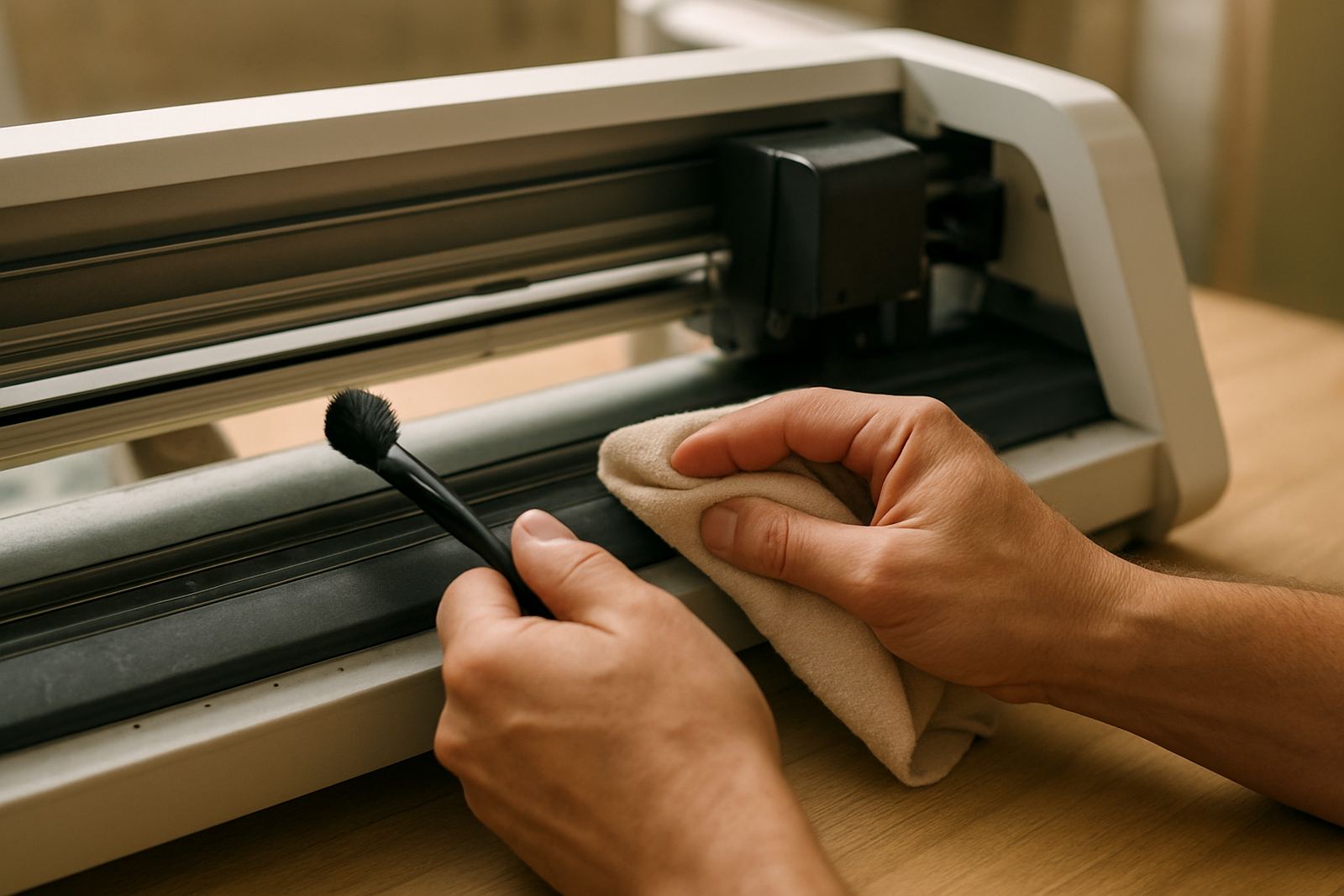
We follow a careful cleaning process that focuses on the parts most likely to cause drag, poor tracking or uneven cuts. The machine is first switched off and unplugged, then the cover areas, bed and carriage path are cleaned with suitable cloths, brushes and safe cleaning methods. We do not flood the machine with liquid or use anything that can damage plastics, cables or sensors.
Where needed, we also check blade holders, pinch rollers, feed areas and the immediate cutting zone for residue that may cause skips or chatter in the cut. If we spot a problem that goes beyond cleaning, such as a blunt blade, poor calibration or a loose connection, we will flag it before the machine goes back into service. That way you know what is sorted and what still needs attention.
- Power-down and safety check before work begins
- Dry removal of debris from the cutting area
- Targeted cleaning of blade and carriage surroundings
- Surface wipe-down to remove dust and adhesive film
- Visual check for obvious movement or alignment concerns
Why Clean Machines Cut Better
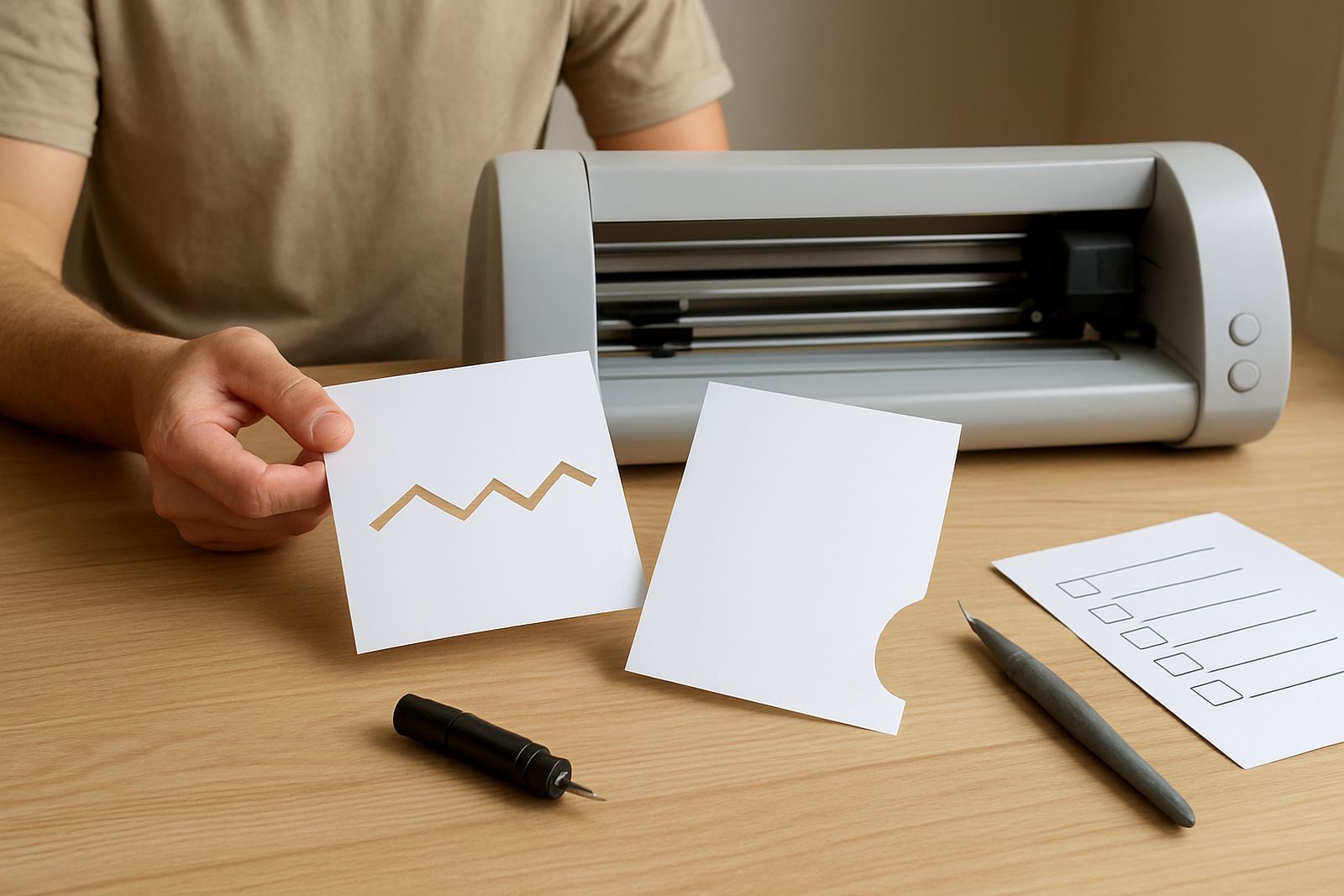
A cutter that is full of fine scraps or sticky residue has to work harder to track properly. That can lead to rough edges, vinyl pulling up at corners, small missed cuts and uneven pressure across a job. Regular cleaning helps the machine move with less resistance, which keeps your output neater and reduces waste.
It also helps protect the parts that carry most of the load, especially in machines that are used every day for labels, decals, heat transfer work and small batch production. When dust is left to build up, it can migrate into moving points and cause early wear. In Johannesburg workshops, where load-shedding can mean repeated stop-start use, a clean machine is also easier to restart and trust after downtime.
- Cleaner blade travel and less drag on detailed designs
- Better tracking on longer vinyl runs
- Less wear on rollers and moving components
- More consistent cut depth and edge finish
Turnaround and Booking Details
Most routine cleaning jobs are handled quickly, depending on how much build-up is inside the machine and whether any extra checks are needed. Simple cleaning can often be completed within the same day once the unit is received or booked in. If the machine needs a deeper clean after heavy use, we will advise on the likely turnaround before proceeding.
Clients in Kya Sand and nearby areas can arrange drop-off, while nationwide customers can contact us for guidance on the safest way to send in a machine. If you are running a small production line, we can also help plan cleaning around your workload so you are not left stuck mid-week with a machine down. Turnaround varies, but we keep communication clear so you know what is happening and when to expect it back.
- Same-day handling possible for light cleaning jobs
- More time needed where adhesive or debris build-up is heavy
- Booking guidance available by sending us a message before drop-off or courier
- Clear feedback if we find a separate issue during cleaning
Pricing Approach That Makes Sense
Pricing for routine cleaning is based on the condition of the machine, the amount of cleaning required and whether any additional checks are needed during the job. A lightly used cutter with normal dust build-up will take less time than a unit that has been running daily on craft vinyl, HTV and repeated test cuts. That keeps the cost fair and tied to the work done.
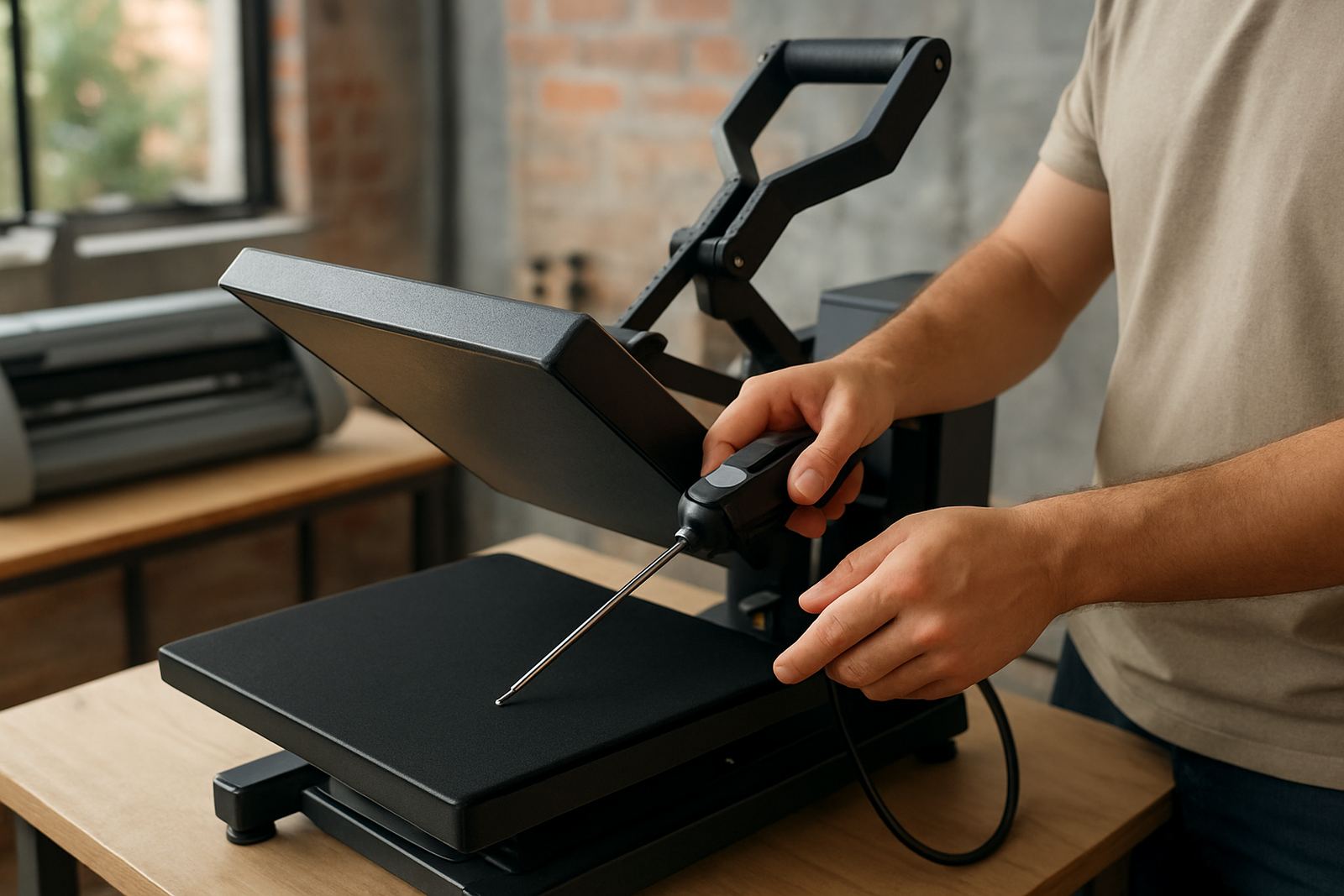
We do not bundle in unnecessary extras. If you only need routine cleaning, we price for routine cleaning. If we find a related issue such as blade wear, software connection trouble or a heat press check needed before a production run, we will explain the options first. For small businesses watching cash flow, that makes it easier to plan maintenance without surprise add-ons.
- Cost linked to machine condition and cleaning depth
- No unnecessary work added without approval
- Useful for hobby users and businesses alike
- Quotes can be discussed before the job starts
Recommended Maintenance Intervals
How often a cutter needs cleaning depends on how hard it works and what materials it handles. A home user doing a few decals now and then may only need attention every few months. A small business cutting daily or running longer HTV jobs should clean more often, especially where fine dust, paper backing and adhesive residue collect around the machine. In humid areas, residue can build up faster and stick in places you might not notice at first.
As a practical guide, we suggest checking the machine lightly every week, then booking a proper routine clean at regular intervals based on use. If you are seeing rough edges, tracking drift, small snags or a greasy feel around the rollers, do not wait for the next cycle. Catching it early saves time and keeps the machine ready for the next order.
- Light home use: every 2 to 4 months
- Regular small business use: monthly to every 6 weeks
- Heavy daily use: every 2 to 4 weeks
- Immediate cleaning after sticky material or debris issues
Local Support for South African Creators
We support craft cutter owners across Johannesburg and nationwide with practical machine care that fits real working conditions. Whether you are in a home craft room, a shared workshop or a small retail back room, routine cleaning helps protect the money you have already put into your equipment. It also gives you a better base for blade calibration, material testing and clean workflow habits later on.
If you are in Kya Sand, Randburg, Sandton, Midrand, Roodepoort or Pretoria East, you can reach out for help with booking and maintenance planning. We work with the realities of South African production, from load-shedding interruptions to dust, heat and humid storage conditions. A clean machine is easier to trust, and that matters when every sheet and metre counts.
Key facts
| Service type | Routine machine cleaning for craft vinyl cutters |
|---|---|
| Machine focus | Desktop craft vinyl cutters used for vinyl and HTV work |
| Typical use cases | Hobby cutting, small business production, decal and apparel work |
| Coverage | Johannesburg base with nationwide support |
| Common signs needed | Dust build-up, sticky residue, rough cuts, tracking issues |
| Maintenance interval | Every 2 to 4 weeks for heavy use, longer for light use |