
What We Test and Why It Matters
Our material testing service is practical support for HTV, adhesive vinyl, paper and specialty craft media. It is meant for people who need clean cuts, accurate weeding and reliable heat transfer results without guessing through a full roll or a stack of sheets.
We test how each material behaves on a desktop craft cutter, then record the settings that give a workable result on your machine. That includes blade depth, cutting force, speed, offset and weeding behaviour, plus heat press checks where HTV is involved. In Johannesburg, Durban and coastal areas alike, humidity and heat can change how some materials respond, so testing saves time and reduces scrap.
- HTV for cotton, polycotton and polyester garments
- Adhesive vinyl for labels, signage, jars and decor
- Card stock, sticker paper and printable craft media
- Specialty media such as glitter, flock, metallic and patterned films
How the Testing Session Works
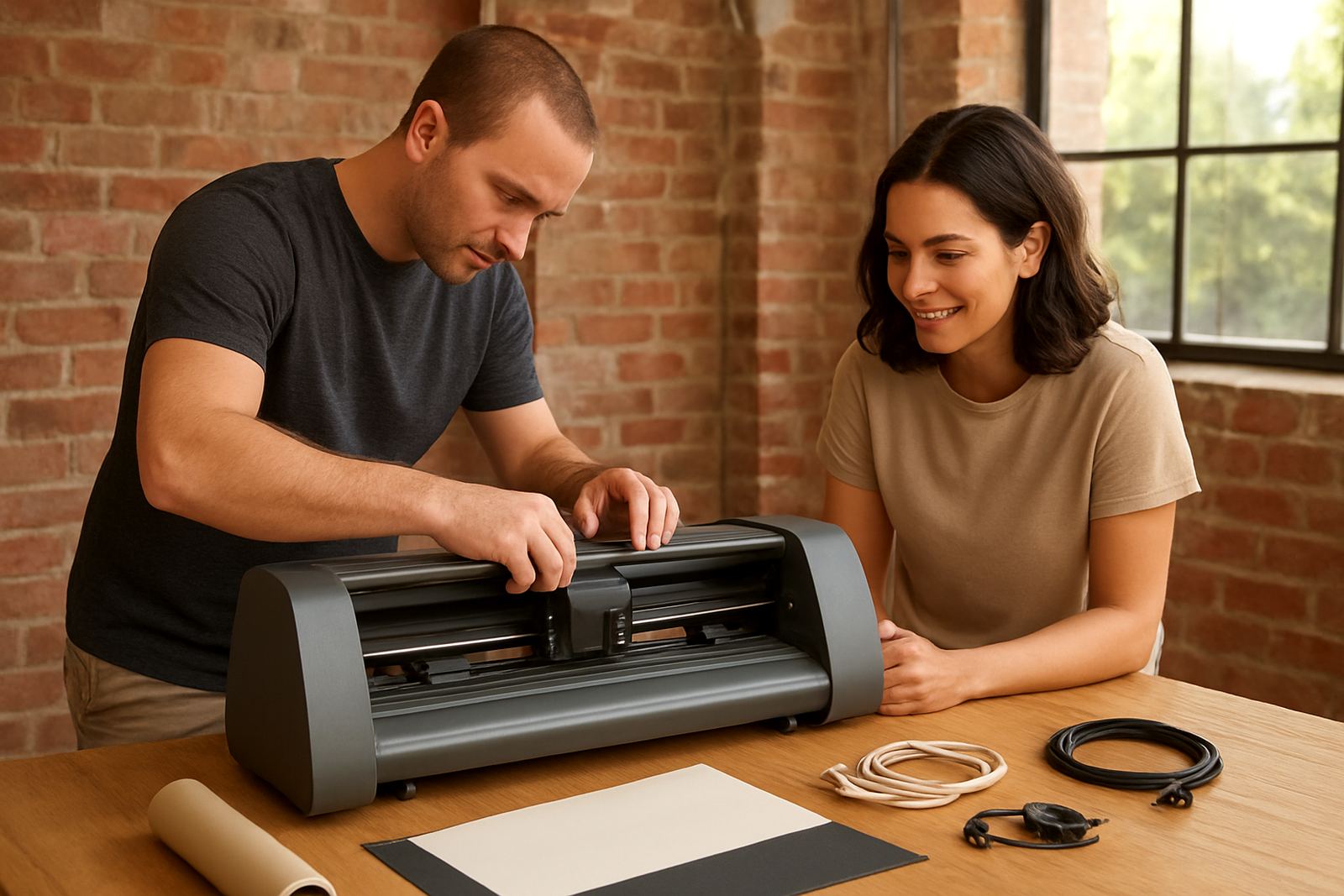
We start with the material sample you bring or courier in, together with the cutter model and the main job you want to complete. If you already have a heat press, we can test the full process from cut to press. If you only need cut settings, we focus on the blade and machine side first.
- Check the material type, thickness and backing
- Set a starting profile for speed, pressure and blade depth
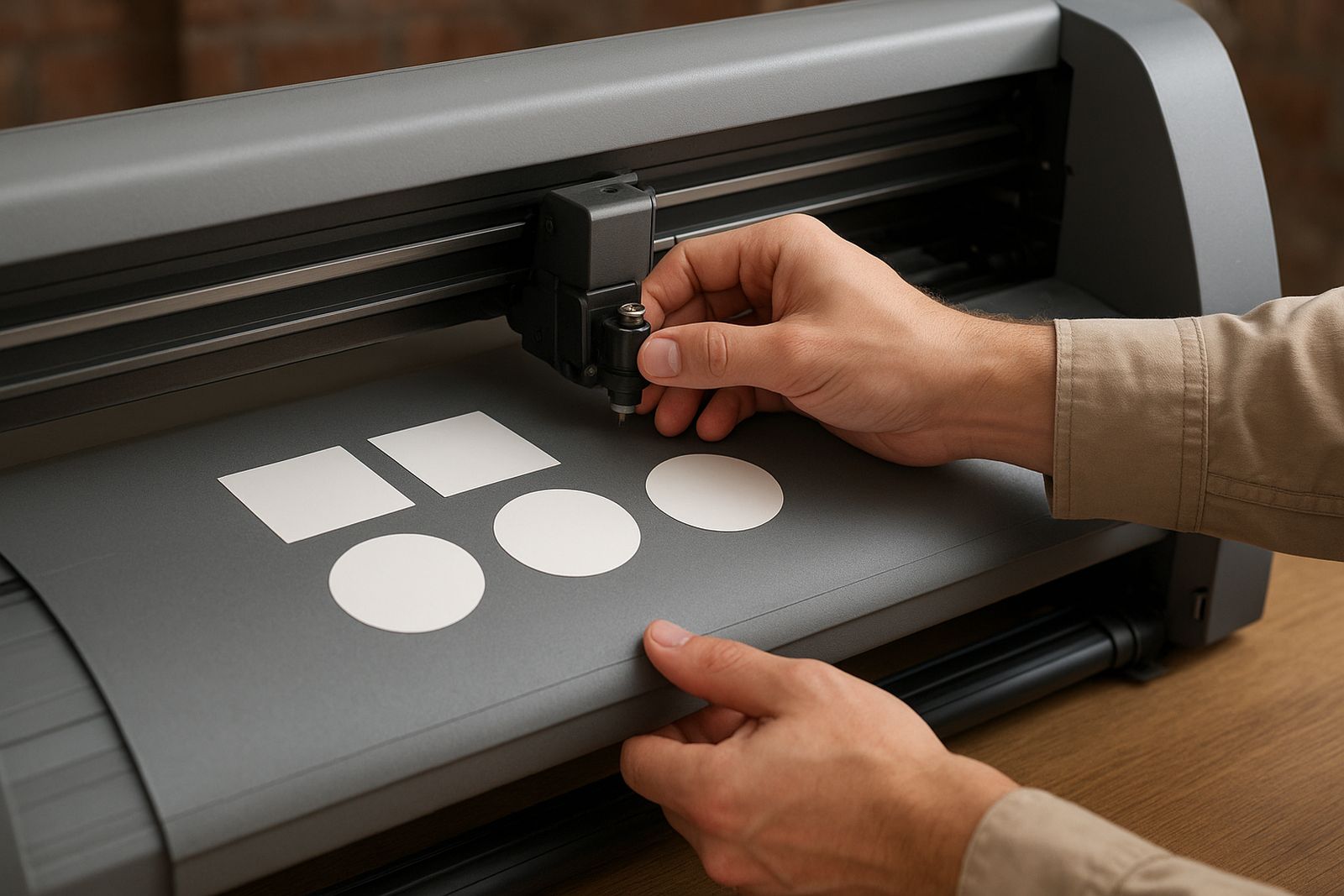
- Run small test cuts and weed them on the spot
- Confirm the best transfer method or application method
- Note the settings for repeat use later
We keep the process practical. If a material is too soft, too brittle or simply not suited to your cutter, we say so directly and suggest a better option. That kind of advice can save you from chasing perfect results on unsuitable stock, especially with cheaper media that varies from batch to batch.
What You Receive After Testing
After the test, you receive clear notes you can use again for the same material. This is useful for hobby users, home businesses and shops that work with mixed media during the week. We can also help you separate settings for different jobs, such as fine text, large decals or multi-layer heat transfer work.
- Suggested blade depth and force range
- Speed setting guidance for your material
- Weeding notes for small lettering and fine detail
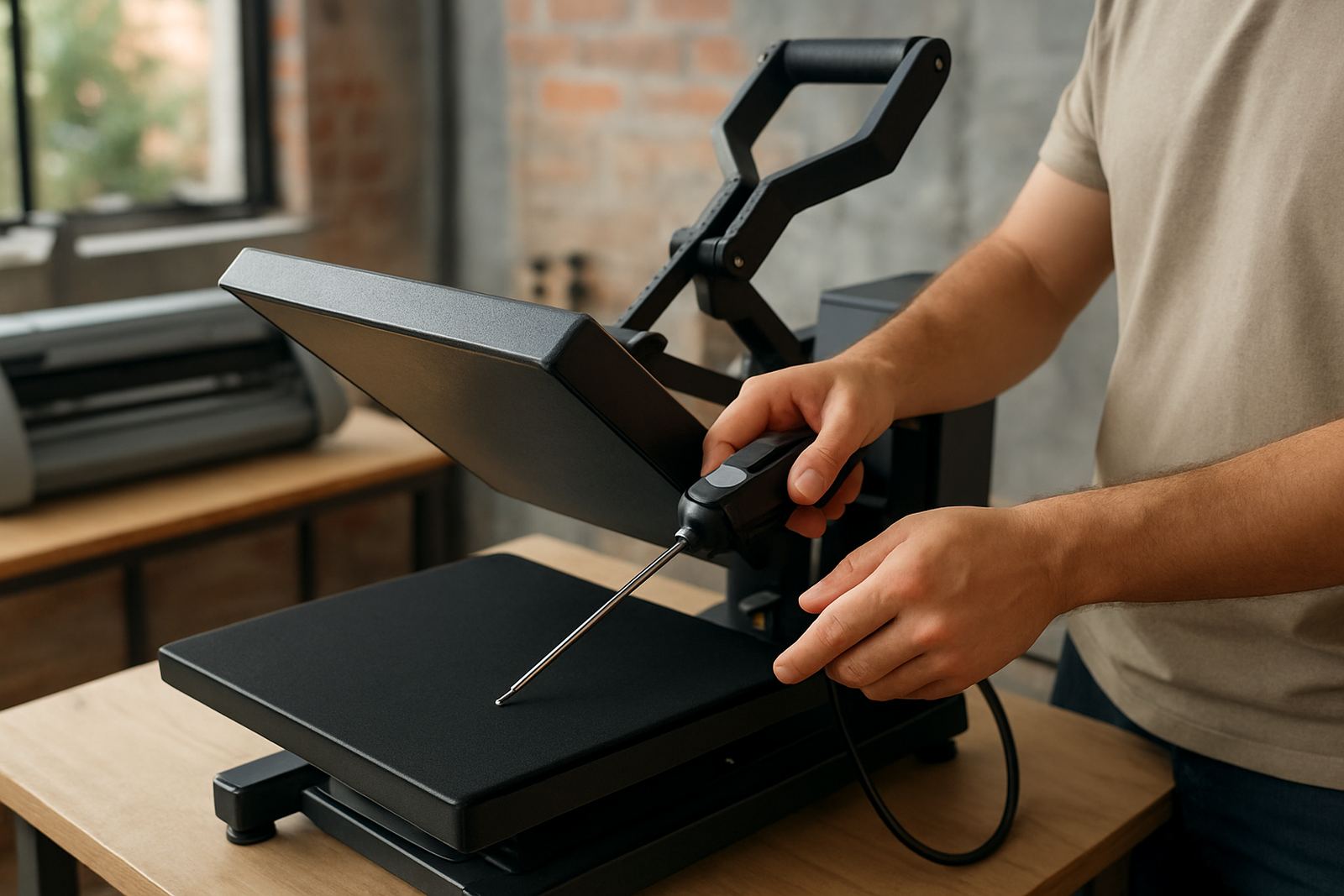
- Heat press time, temperature and pressure checks where relevant
- Advice on storage and handling in South African conditions
For adhesive vinyl, we look at lift on corners, cutting through the face film without scoring the liner, and whether the material handles curves and medium detail. For HTV, we check stretch, release type and carrier behaviour so you know whether it is a hot peel, warm peel or cold peel job. A little testing now can prevent a lot of costly rework later.
Turnaround for Kya Sand and Nationwide Clients
Clients in Kya Sand, Randburg, Sandton, Midrand, Roodepoort and Pretoria East often drop off samples for assessment, depending on the queue. For local walk-in or drop-off work, simple tests may be handled first, while more detailed material comparisons can take longer if multiple finishes are involved.
Nationwide clients can courier samples to our Johannesburg base. Once the sample arrives, we confirm the test plan and keep you updated by phone or message. Remote testing support is available too, especially when you can share machine details, photo samples and the type of work you do. If your business depends on fast turnaround, tell us upfront so we can plan around your deadlines and stock arrivals.
In many cases, a standard single-material test can be completed within 1 to 2 working days after assessment. More complex media, layered HTV systems or repeated comparison tests may take longer.
Pricing Approach and What Affects Cost
We price material testing according to the time needed, the number of material types tested and whether setup changes are required on the cutter or heat press. If you need a single test on one material, the cost is kept straightforward. If you want several comparisons, such as matte versus gloss adhesive vinyl or two different HTV ranges, the price reflects the extra machine time and labour.
Factors that can affect pricing include sample size, number of test passes, software connection help, and whether troubleshooting is required on top of the material test. If your cutter needs basic calibration before the test can begin, we will say so before proceeding. We believe in clear expectations, not surprises on the invoice.
- Single material test for one cutter setup
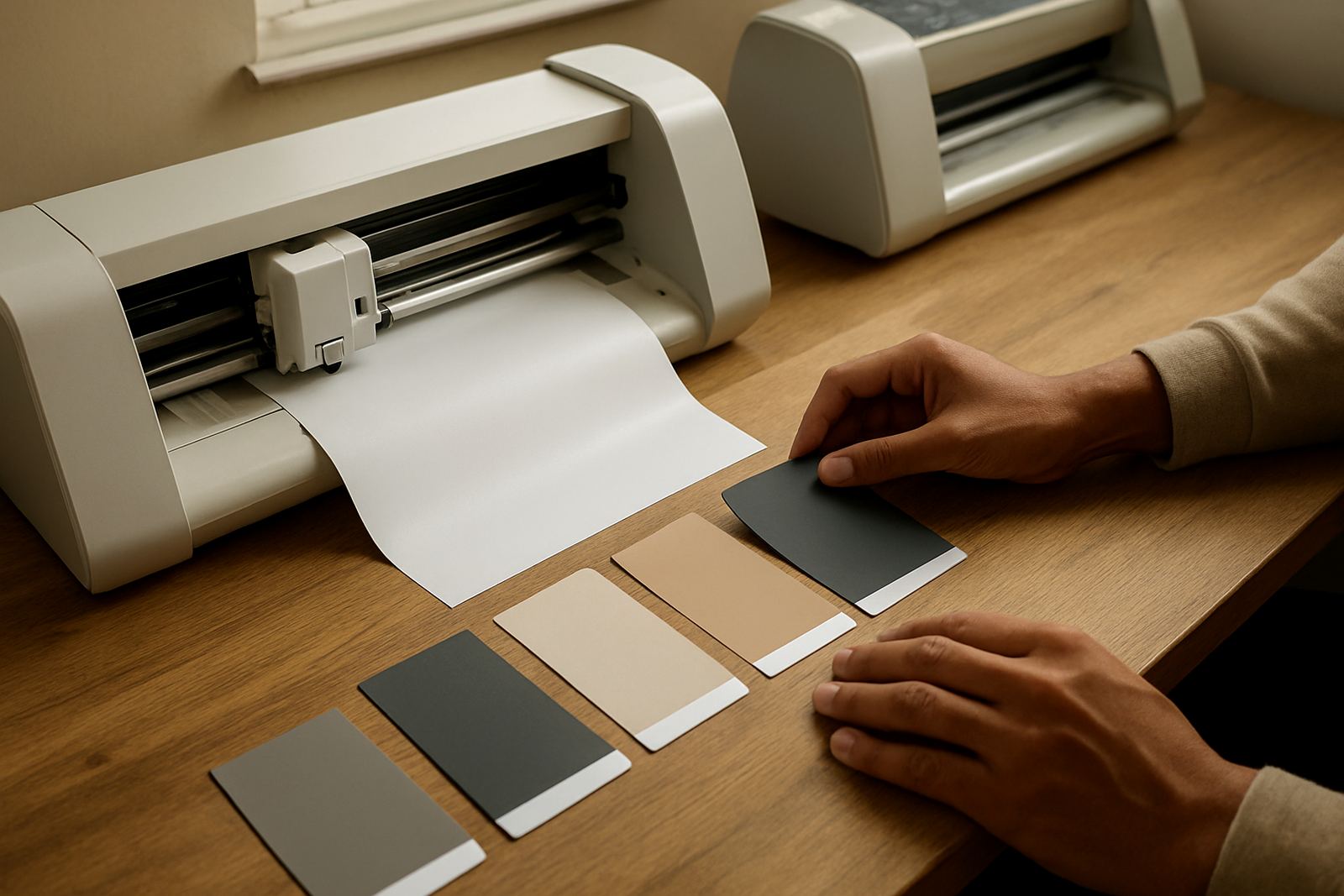
- Multi material comparison for product selection
- HTV and heat press test combinations
- Remote support options when couriering samples
Keeping Your Settings Consistent Over Time
Material testing should not be a once-off exercise if you work with changing stock, seasonal humidity or different suppliers. We suggest repeating tests after a new roll batch, a software update, a blade change or a move to a different work area. In coastal humidity, even paper based media can behave differently from one month to the next, and load-shedding can affect heat press timing if a press is switched off and back on regularly.
Routine checks every 3 to 6 months are a sensible starting point for active users. If you run production weekly, test again sooner when you notice rough edges, lifting corners or poor release from HTV. We also recommend checking settings after routine machine cleaning or replacement parts work, because a small change in blade housing or carriage tension can alter the cut path.
Consistent testing keeps your output cleaner and your stock use under control, which matters when margins are tight.
Key facts
| Service type | Material testing for HTV, adhesive vinyl, paper and specialty craft media |
|---|---|
| Base location | Kya Sand, Johannesburg |
| Coverage | Nationwide support with local service in Randburg, Sandton, Midrand, Roodepoort and Pretoria East |
| Typical turnaround | 1 to 2 working days for standard single-material testing after assessment |
| Testing outputs | Blade depth, pressure, speed, offset, weeding notes and heat press guidance where needed |
| Recommended review interval | Every 3 to 6 months, or sooner after material, blade or workflow changes |