What Blade Calibration Covers
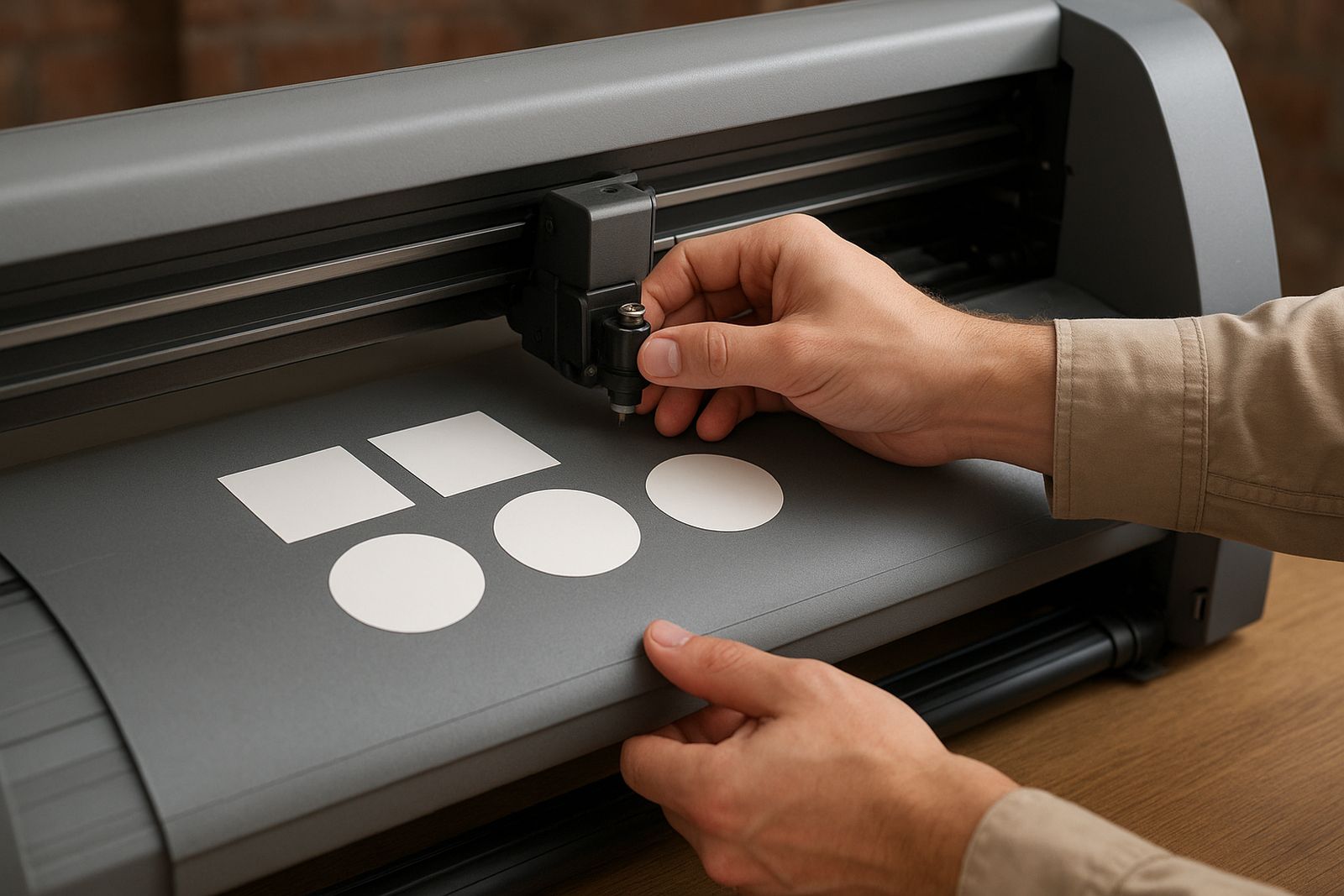
Our blade calibration service focuses on the three settings that matter most for cut quality: blade depth, cutting pressure and blade offset. We check how the blade sits in the holder, how far it is exposed, and whether the machine is compensating correctly when it turns corners or cuts small lettering.
This service is useful when a machine leaves uncut patches, scores through the backing, pulls at the vinyl, or gives rough edges on detailed jobs. It also helps after a blade change, after moving the cutter, or when the material has changed from standard craft vinyl to thicker heat transfer vinyl.
- Blade depth setting for cleaner cut-through without damaging the liner
- Pressure checks for vinyl, HTV and light specialty material
- Offset adjustment for better corners, circles and small text
- Test cuts to confirm the final setting before you go back to production
Signs Your Cutter Needs Calibration
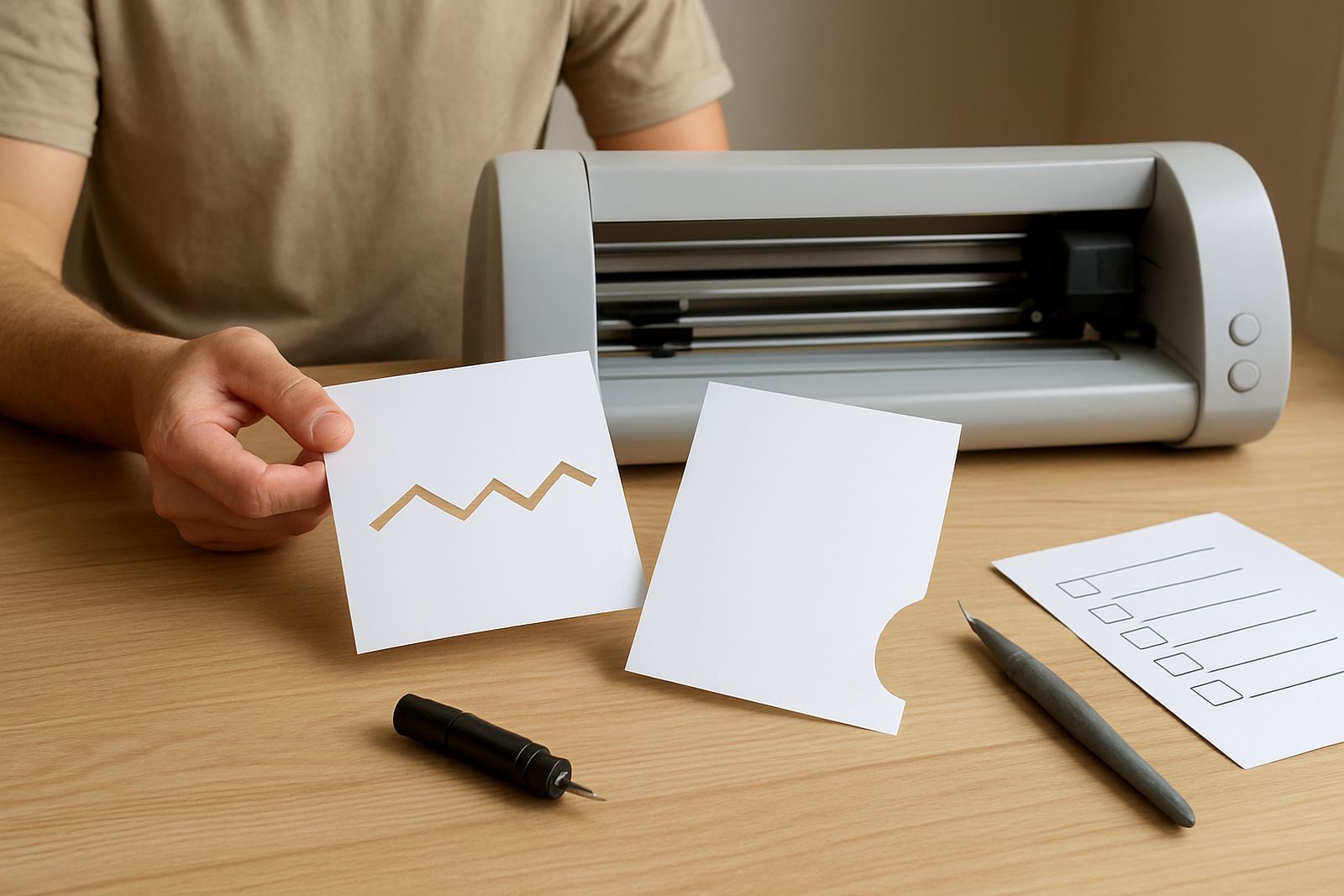
If your cutter is set too deep, you will often see the backing paper marked or cut through, which wastes material and can lift edges during weeding. If the blade is too shallow, the machine may skip sections, drag at tight corners or leave you lifting bits with a craft knife. Either way, the job takes longer and the finish looks untidy.
We often see these issues after a move between home and workshop, after a blade replacement, or when the machine sits in a room with dust, damp or temperature swings. In Johannesburg and Pretoria East, dry air and dust can build up around the carriage. In Sandton or Midrand offices, the machine may run a lot more often than it is cleaned, so the settings drift and cut quality starts to drop.
- Small lettering tears when weeding
- Corners round off instead of staying sharp
- Blade cuts too deep and marks the liner
- Cutting force sounds higher than normal for the same material
How We Calibrate the Blade
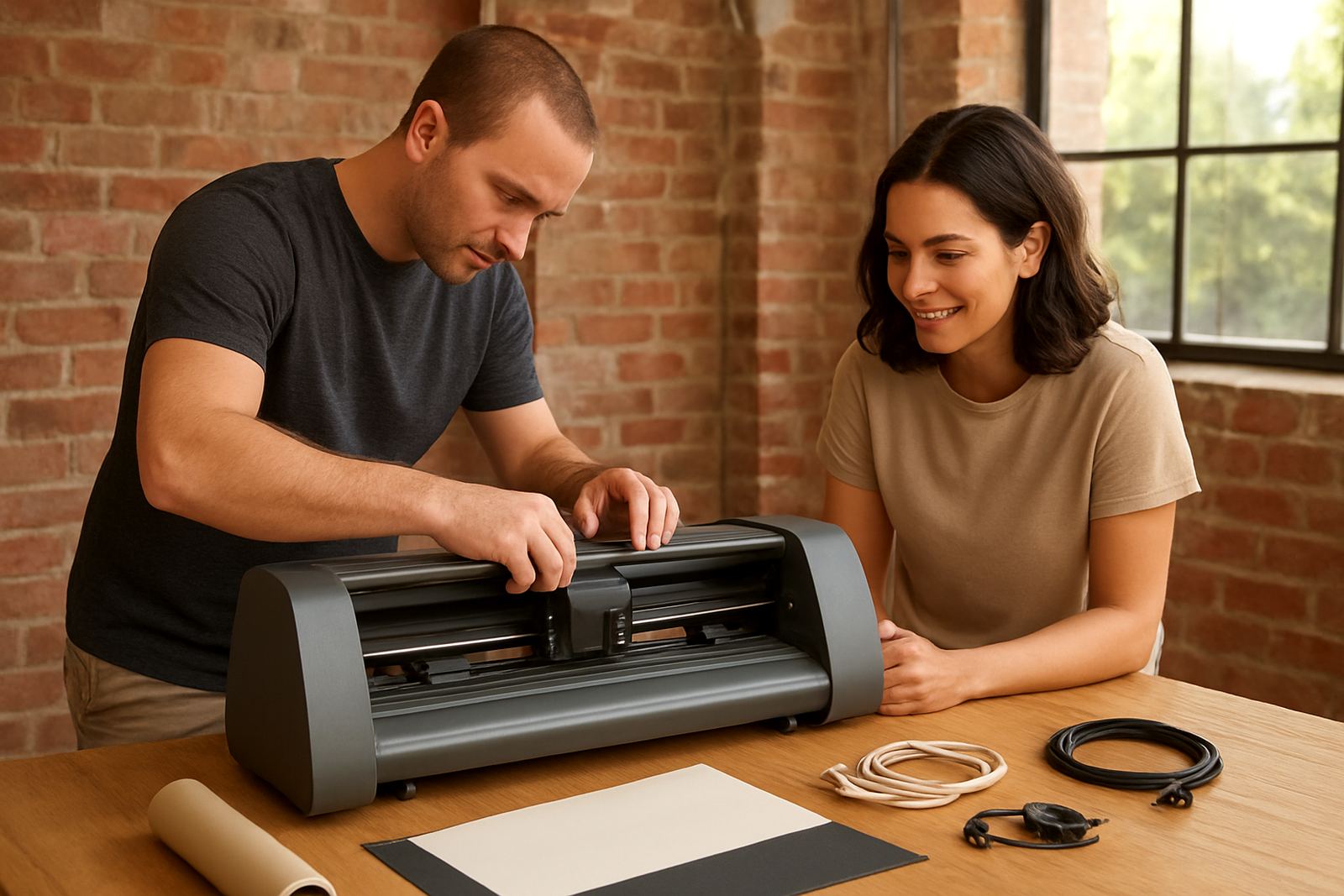
We start with a short check of the cutter, the blade holder and the blade condition. Then we run a material test with the vinyl or HTV you use most often. This lets us compare the actual cut against the pressure setting, blade exposure and offset value on the machine.
Once the test shows where the issue is, we adjust the settings and repeat the cut until the finish is clean. If the machine is connected to software, we also confirm that the output settings are matching the cutter profile. For remote support sessions, we guide you through each step and ask for photos or a short test cut so we can confirm the result clearly.
- Initial machine check and blade inspection
- Test cut on your common material
- Pressure, depth and offset adjustment
- Final verification on a sample design
What You Get With the Service
Blade calibration is not only about one good test cut. The aim is to leave you with a setting you can use again on everyday jobs. We explain which blade position to use, what material thickness it suits, and how to spot when the setting is starting to drift.
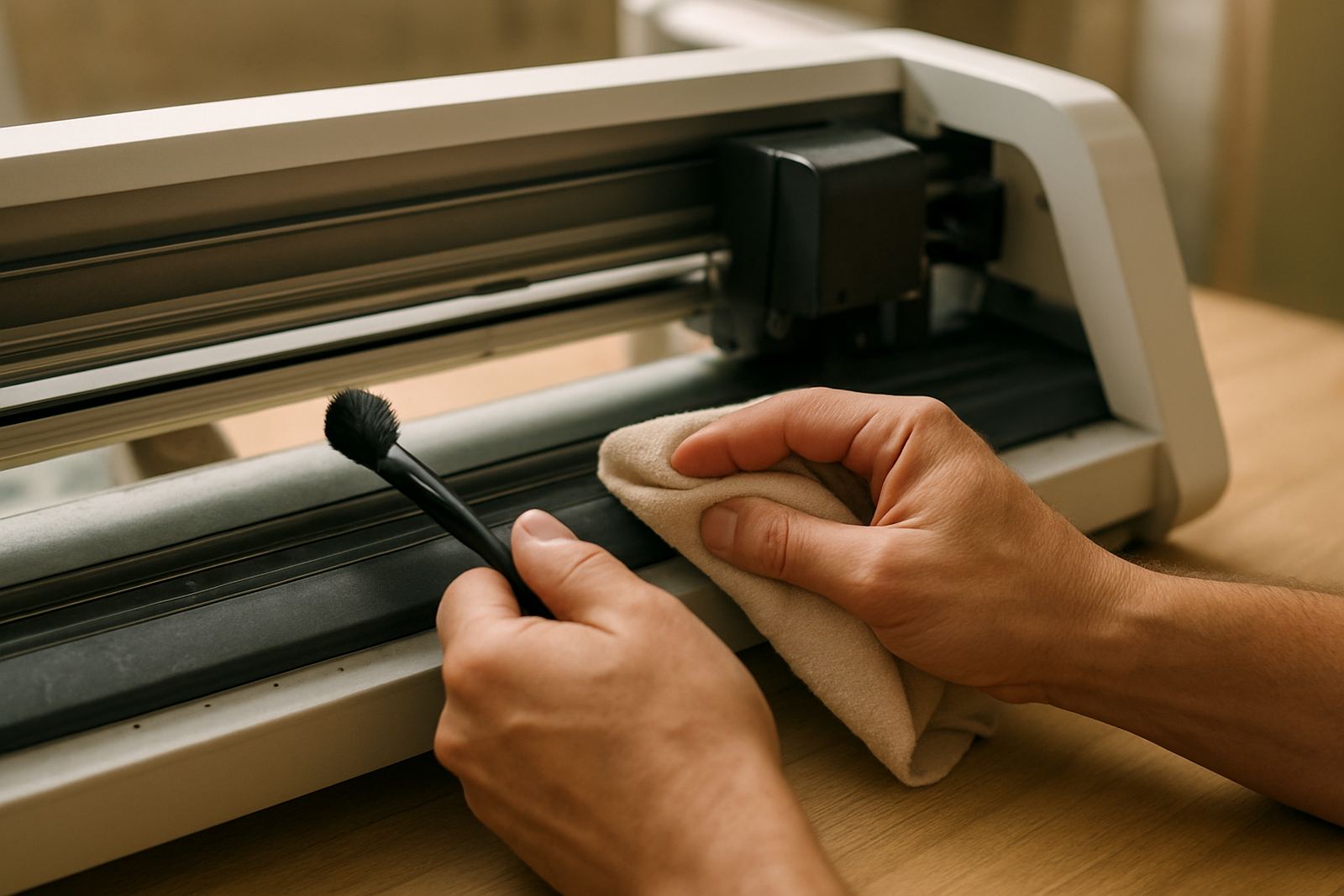
If needed, we can also point out related issues that affect cut quality, such as a blunt blade, worn cutting strip, loose carriage movement, or a dirty roller track. Those small faults can look like a calibration problem when the real cause sits somewhere else. That is why our service is practical, not just a quick adjustment.
- Clear guidance on usable settings for your normal materials
- Advice on blade wear and when to replace it
- Help with cut quality problems linked to pressure or offset
- Basic cleaning checks around the carriage and rollers
Turnaround, Pricing and Booking
Turnaround depends on whether you bring the cutter to Kya Sand, book a remote session, or need us to work around a busy production schedule. A simple calibration depends on the machine condition, the test material, and whether we need extra test cuts to set the blade and pressure correctly. More involved jobs, where we need to check software connection help or repeated test cuts, may take a bit longer.
Our pricing is quoted according to the machine type, the level of adjustment needed, and whether the job is done on site, remotely or as part of a broader setup request. We keep it straightforward and explain the charge before work starts so there are no surprises. If you are based in Randburg, Roodepoort, Sandton, Midrand or Pretoria East, we can usually arrange a practical support slot without much delay.
- Same day for straightforward calibration where possible
- Remote sessions arranged for clients nationwide
- Quotes based on machine type and support time
- Collection or drop off by arrangement in Kya Sand
Maintenance Intervals for Better Cut Quality
Blade settings do not stay perfect forever. A machine that cuts daily will usually need a quick check more often than a machine used once or twice a week. As a general guide, test the calibration whenever you change blade type, switch to a thicker material, move the cutter, or notice a change in the cut edge.
For regular users, a monthly check is a good habit. In dusty workshops, near coastal humidity, or where power interruptions and long idle periods are common, it helps to inspect the blade and cutting strip a bit more often. A short routine check can save material, reduce spoilage and keep weeding easier, which matters when you are making apparel, labels or home décor items for customers.
- Check after blade changes or holder cleaning
- Test again when moving between vinyl and HTV
- Inspect more often in dusty or humid work areas
- Book routine support if cut quality starts drifting
Key facts
| Service type | Blade calibration for desktop craft vinyl cutters |
|---|---|
| Core settings | Blade depth, pressure and blade offset |
| Materials | Craft vinyl, HTV, light card and similar film material |
| Support options | In person in Kya Sand or remote nationwide |
| Typical turnaround | Same day for simple calibration where possible |
| Coverage area | Johannesburg, Pretoria East and nationwide support |