When Parents Want a Name on the Gift
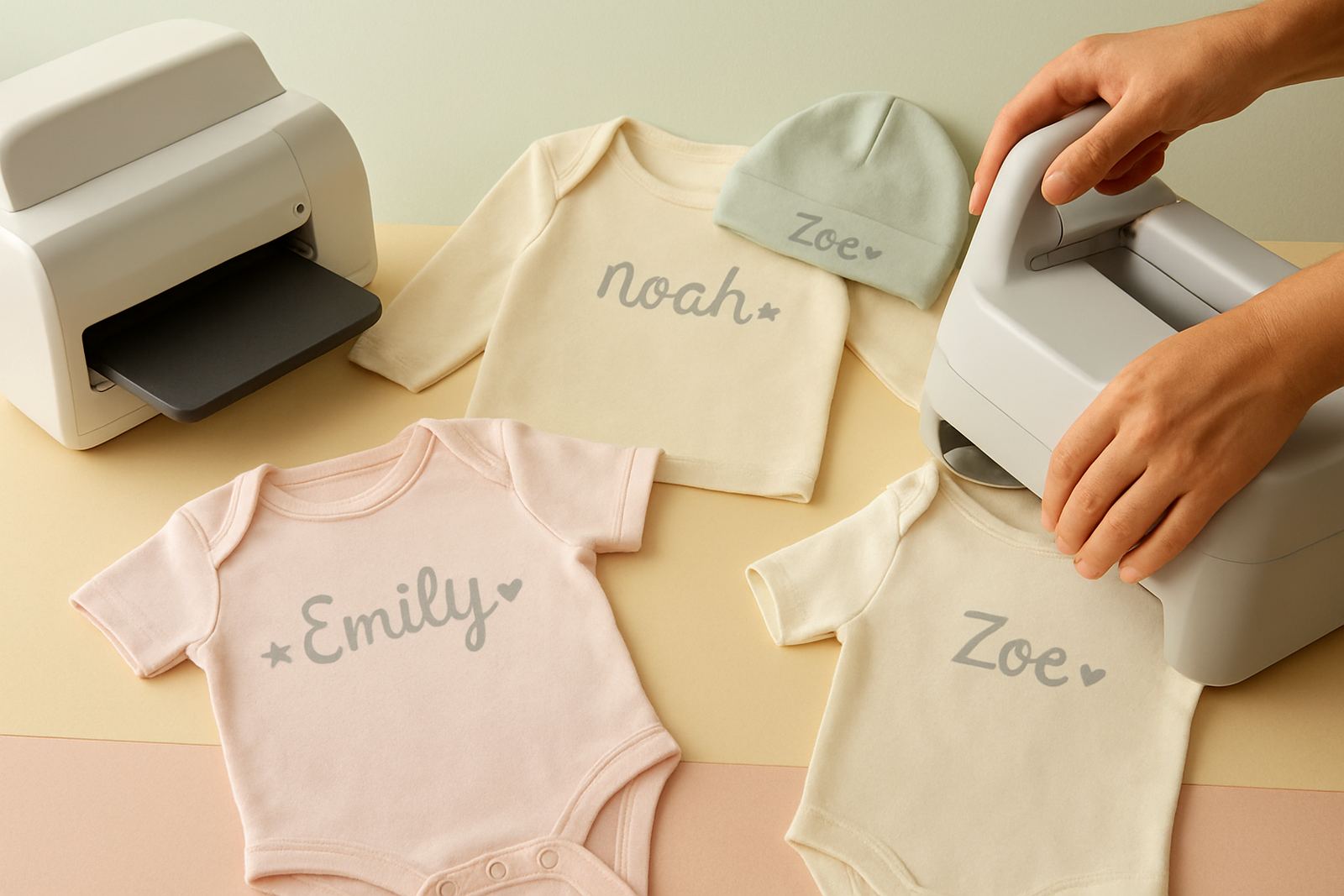
Babywear personalising often starts with a simple request: a name on a bib, a birth date on a blanket, or a small milestone graphic for a baby grow. Most clients want something that feels thoughtful without looking overdone, and that means the cut quality has to be neat enough for tiny lettering and fine detail. In Johannesburg, Pretoria East and the surrounding areas, we see a lot of orders for baby shower gifting, newborn announcements and first birthday keepsakes.
The work suits home studios, small print rooms and market sellers because each item is quick to prepare once the design system is in place. A reliable desktop cutter makes it easier to repeat names, hearts, stars and short phrases like welcome little one or blessed arrival. If you are doing this for customers, the main job is not only the cutting, it is making sure every item lands in the same place and the same size each time.
Typical Equipment for Bibs, Grows and Blankets
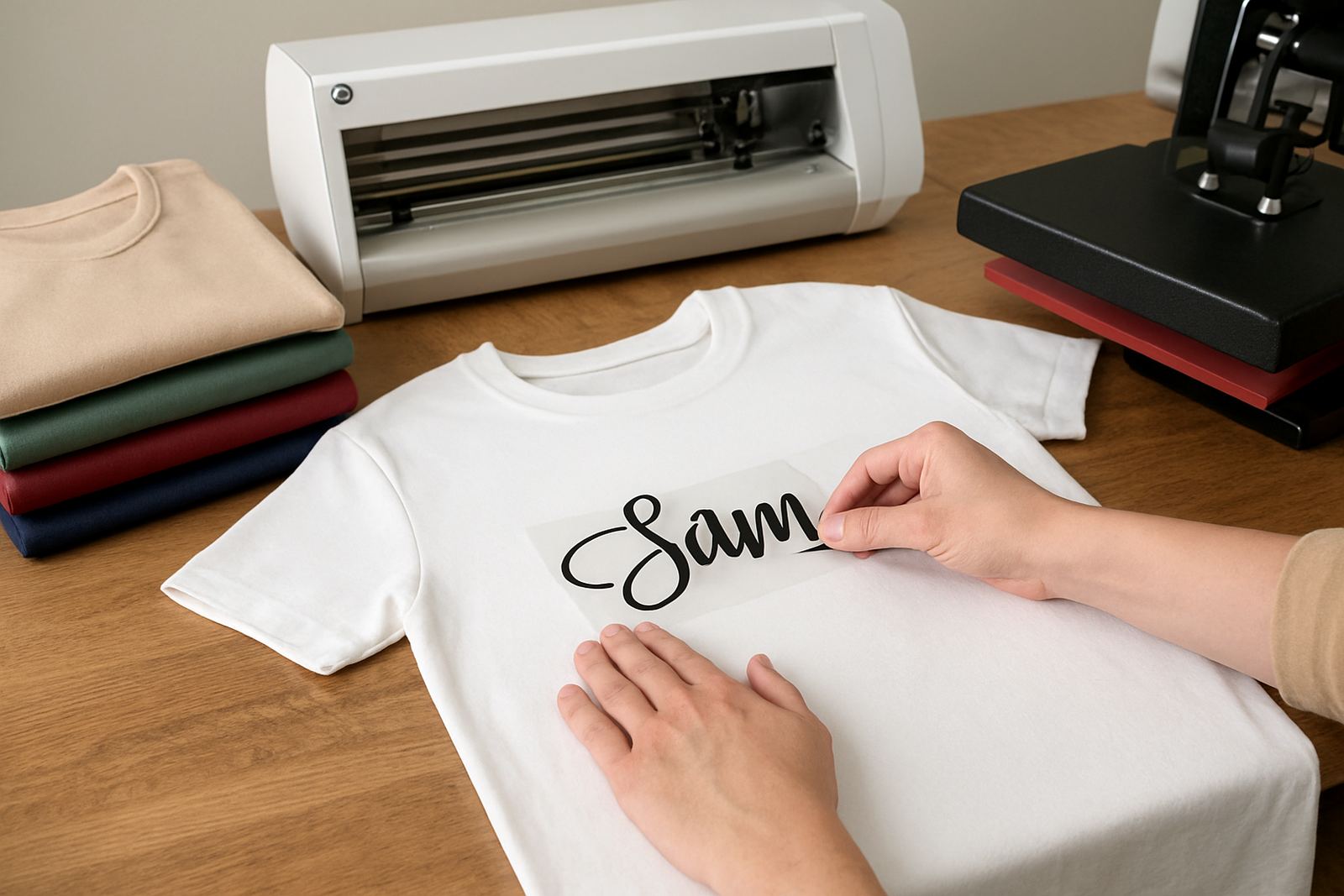
A sensible starter setup does not need to be complicated. For babywear, most small operators use a desktop vinyl cutter, a heat press or small clam press, a weeding tool, a Teflon sheet or pressing cover, and heat transfer vinyl in a few core colours. White, soft pink, light blue, gold, grey and black cover a lot of requests. For blankets and thicker fabric, you may also need a firmer pressing surface and a way to keep seams and edges level.
- Desktop cutter with a clean blade and stable pinch rollers
- Heat transfer vinyl for cotton and cotton blend garments
- Heat press with even pressure across small items
- Fine tweezers or hook tools for tiny letters and accents
- Test fabric pieces for checking time, heat and pressure before client work
If you are working from Kya Sand, Randburg or Midrand, it helps to keep your setup compact and easy to power down during load-shedding. Smaller machines and a simple workflow mean less time lost when the lights go off. For coastal humidity is less of a concern in Johannesburg, but material storage still matters. Keep vinyl flat and dry, and close rolls properly after use.
Planning Names, Milestones and Gift Sets
Babywear looks simple, but planning matters. A long name on a tiny bib can crowd the design, while a milestone phrase on a blanket can feel too loose if the spacing is wrong. Before cutting, check the item size and decide how much room you really have. On a newborn grow, the chest area is usually better for a small name or icon. On a blanket, you can place the design lower in one corner or centred near the edge, depending on how it will be folded and stored.
Good planning also means choosing the right font. Thick rounded lettering usually transfers better than very thin script on small garments. If you are making a gift set, keep the same visual style across the bib, grow and blanket so the set feels linked. That might mean one icon, one font and one accent colour rather than three different ideas all at once.
- Keep wording short for smaller garments
- Measure the print area before you open the software
- Use one strong feature, like a name or date, then keep the rest simple
- Leave enough space around seams, snap fasteners and curved edges
Common Mistakes That Waste Material
The most common mistake is cutting the design too small. Fine details look attractive on screen but can become a headache when you are weeding and pressing. Babywear also suffers when the heat settings are guessed instead of tested. Too much heat can flatten soft fabric or leave marks, while too little heat can cause lifting after the first wash. A quick test square on spare fabric saves money and frustration.
Another issue is layout. Many makers centre the design by eye, then discover the name sits too high or off to one side once the garment is worn. Use a ruler, guide marks or a simple jig so you can place each item consistently. It helps even more when you are filling a weekend order for a market in Sandton or a baby shower order going out to Roodepoort. One small mistake on five items becomes expensive very quickly.
- Do not use fonts that are too thin for the vinyl type
- Do not press over bulky seams or folded edges
- Do not skip test cuts when changing blade depth
- Do not stack finished items before they are fully cooled
Budget Ranges for a Small Babywear Side Hustle
If you are starting small, a workable budget can be kept sensible. A basic cutter setup for babywear can begin around R4 500 to R9 000, depending on machine size and what comes with it. Add a small heat press and you may be looking at R2 500 to R6 500 more. Starter rolls of HTV in a few colours often come in at R600 to R1 800, depending on quantity and finish. For a fuller setup with extra tools, a spare blade and better pressing control, a new operator might spend between R8 000 and R18 000.
For those already taking regular orders, it is worth budgeting for replacement blades, test material and a backup pressing mat. When a customer needs ten bibs for a shower and six grows for a newborn welcome, one failed batch can eat into your profit fast. A neat pricing structure helps. Many small sellers charge by item, by set, or by complexity, and should always factor in labour, vinyl use and pressing time. Don’t forget packaging, because baby gifts need to arrive clean and presentable.
Support That Helps You Keep Orders Moving
Babywear jobs are often small, but they still need machine consistency. If your cutter is skipping letters, pulling the vinyl or missing corners, it can hold up a full run of personalised gifts. That is where proper setup support matters. Our team assists with new machine setup, blade calibration, material testing, software connection help, cut quality troubleshooting, heat press check, routine machine cleaning, replacement parts help, remote support session and workflow help.
For businesses in Kya Sand, Randburg, Sandton, Midrand, Roodepoort and Pretoria East, that support can make the difference between a late order and an on-time handover. Whether you are selling from a home studio or supplying shops and market stalls nationwide, the goal is simple: clean cuts, reliable pressing and less wasted vinyl. If your babywear line is meant to be soft, sweet and repeatable, the machine setup has to back that up every day.