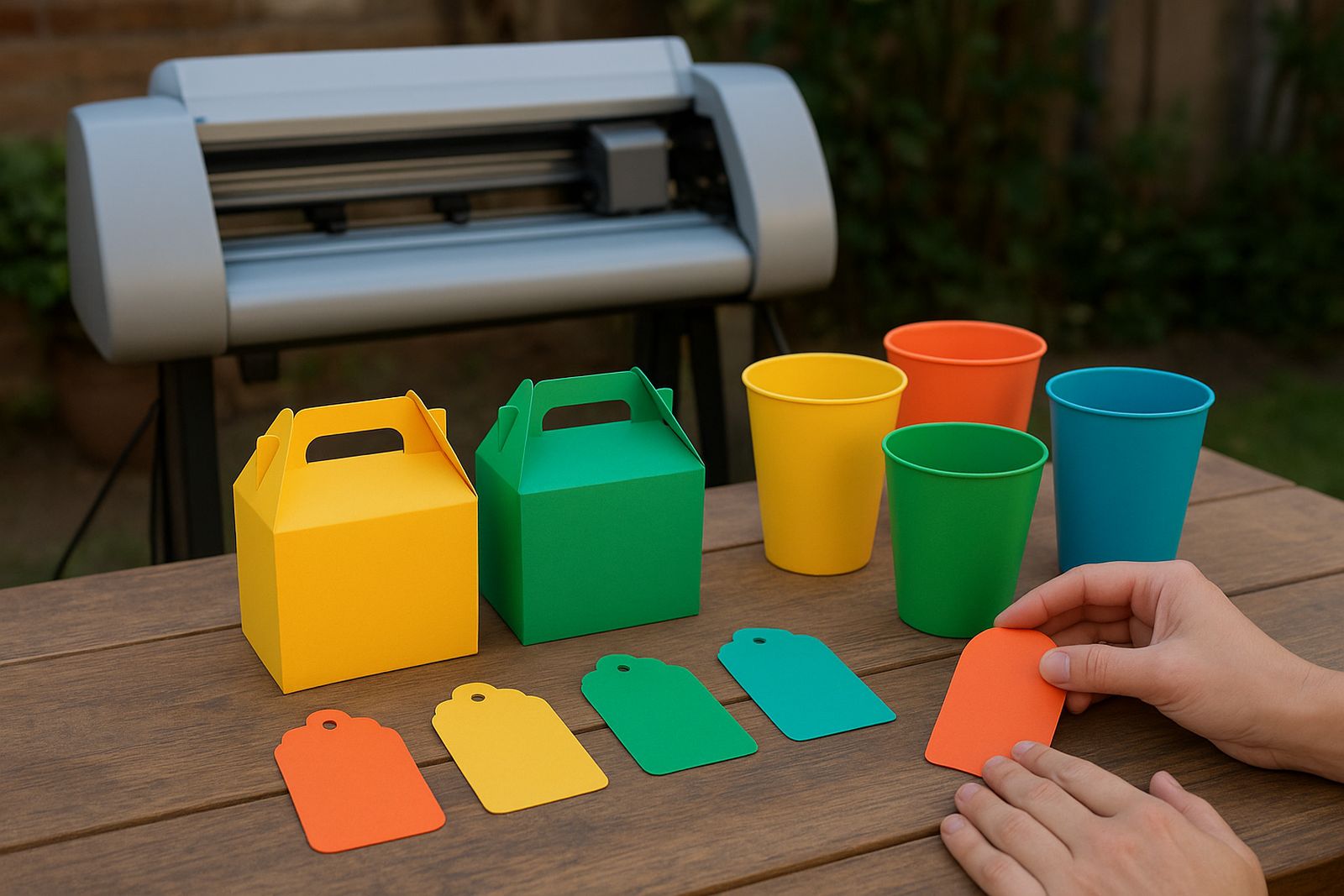
When Party Favours Need to Look Neat in Bulk
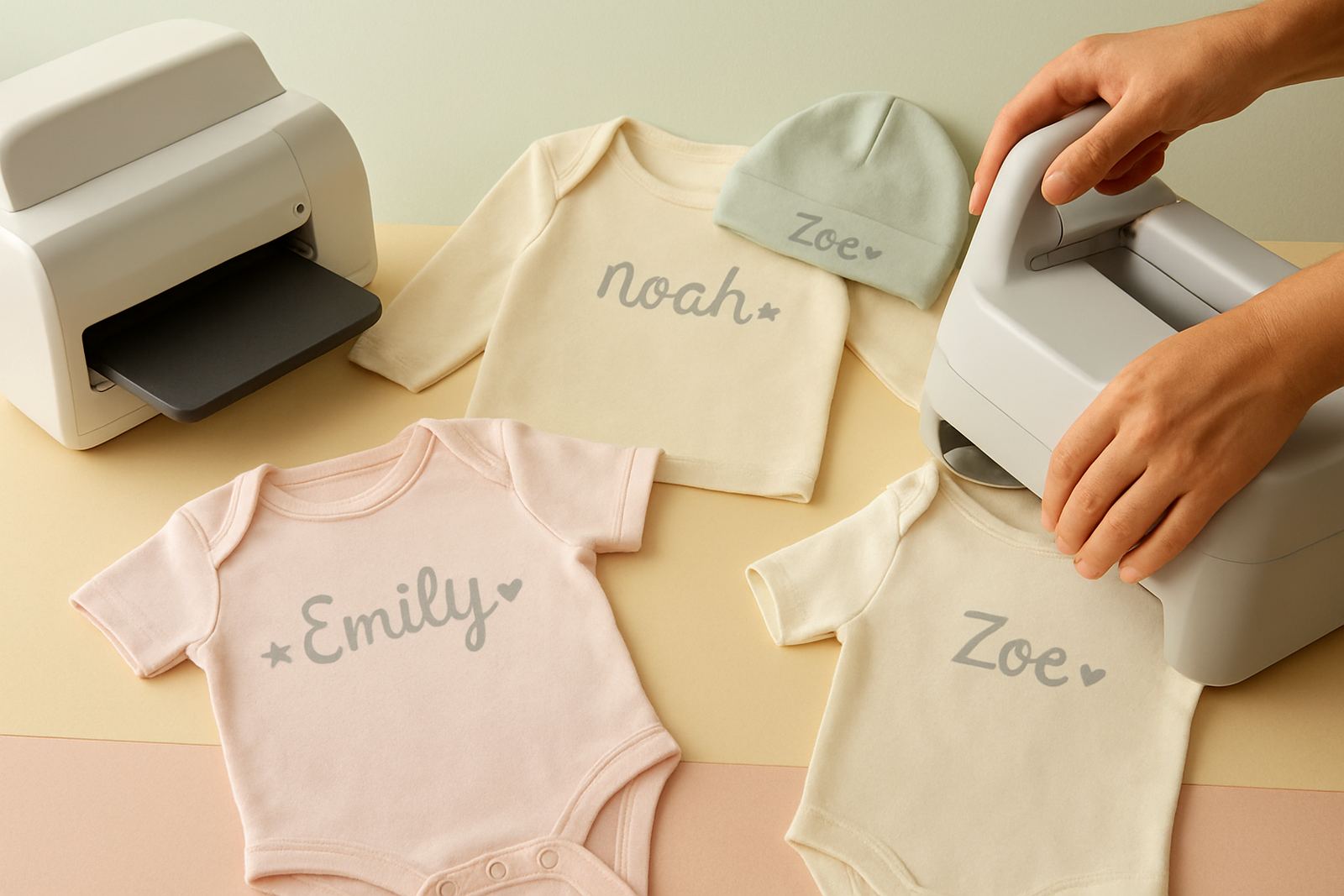
Party favours usually come down to three things: the item itself, the time available, and how many names, dates or table numbers need to be applied before the event starts. For a small birthday of 20 guests, one cutter and a heat press can get the job done in a day. For a shower of 80 or a festive year-end function, you need a cleaner workflow so labels, tags and gift boxes stay consistent from the first piece to the last.
Most clients in Johannesburg, Pretoria East and Midrand want a setup that can handle short runs without wasting material. That means a desktop vinyl cutter with enough cutting width for A4 and A3 style sheets, plus heat transfer vinyl for fabric bags or T-shirts if the favour table includes wearable items. If you are working from Kya Sand or Randburg, where space is often limited, a compact machine and a flat packing area make a big difference.
- Birthdays: names, ages, thank-you tags and themed icons
- Baby showers: baby names, dates, pastel labels and cup marks
- Weddings and engagements: table favours, monogram stickers and favour boxes
- Festive events: company end-of-year gifts, family hampers and seasonal tags
Typical Cutter Setup for Cups, Boxes and Tags
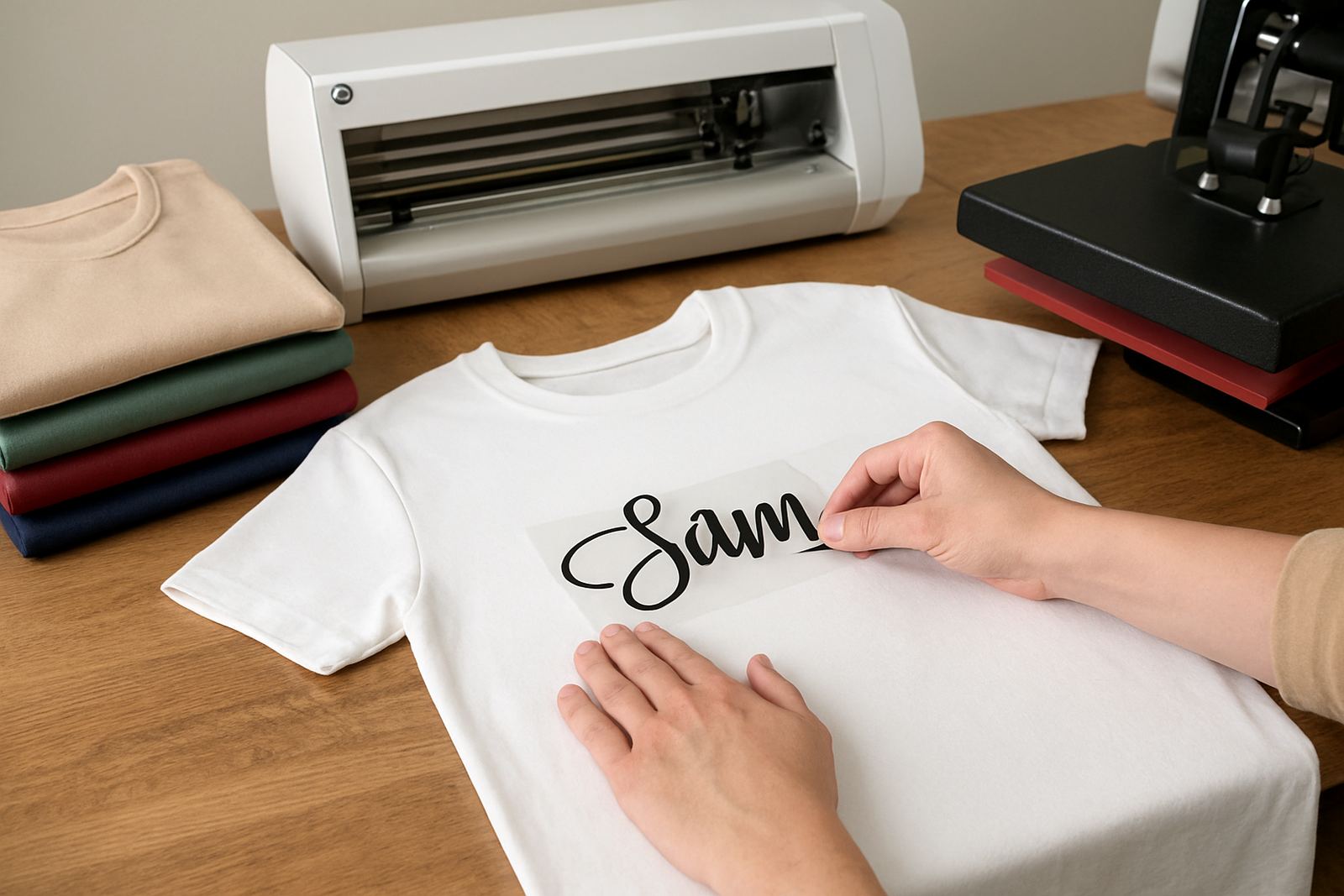
A practical favour setup starts with a desktop craft cutter, design software connection, standard cutting mats, a few spare blades and either adhesive vinyl or HTV depending on the surface. For cups and gift tins, adhesive vinyl is usually the easiest option. For cotton bags, aprons and fabric wraps, HTV gives a cleaner finish and holds up well if it is pressed properly.
For small production runs, the most useful extras are a scraper, weeding tool, ruler, transfer tape and a heat press with even pressure. If you are printing and cutting stickers for favour boxes, test the cut depth first. A blade that is too deep can cut through the backing paper and waste a sheet. If it is too shallow, weeding becomes slow and messy, especially when you are doing names one by one.
- Cutting width: enough for labels, name strips and small motifs
- Materials: adhesive vinyl, HTV, cardstock and sticker media
- Tools: scraper, weeding hook, tape measure, tweezers, spare blades
- Pressing gear: heat press for fabric items or firm hand application for cups and boxes
Planning the Layout Before You Cut Anything
Party favours look better when the whole set is planned before production starts. Start with the item sizes and work backwards. A cup wrap for a 250 ml cup is very different from a box label for a sweet bag or a 20 cm gift box. Measure the flat area on each item and leave a margin so the design does not wrap too far around a curve or sit too close to the fold line.
Names and dates should be grouped in batches. If you are doing 40 favours with 10 different names, make one master file and duplicate it carefully. That saves time and reduces mistakes. For event work in places like Sandton or Roodepoort where clients often want a polished look, keep font sizes easy to read at a distance. Thin script may look nice on screen but can be hard to weed and even harder to read on a small tag.
- Measure the item, not just the label size on paper
- Keep one version of the design for all repeats
- Leave space for folds, handles, lids and ribbon holes
- Use simple fonts for small text so the cut stays clean
Common Mistakes That Waste Material and Time
One of the most common mistakes is trying to cut every part of the favour design too small. Fine lines may look attractive, but on low-tack paper or on a warm day in Johannesburg they can lift, tear or shift during weeding. Another issue is not testing the heat setting on a sample bag or fabric scrap before pressing the full batch. A few seconds too long can leave marks and a few seconds too short can cause lifting at the edges.
People also underestimate how load-shedding can interrupt a run. If you are cutting in Kya Sand, Randburg or Pretoria East, it helps to plan the order of work so design prep can happen first, with cutting and pressing done once power is stable. Keep spare blades ready and clean the machine regularly. Dust and small vinyl offcuts can affect cut quality and slow the carriage down.
- Do a test cut before every new vinyl roll or cardstock pack
- Check heat and pressure on a sample item first
- Do not cram too many tiny letters into one favour label
- Store vinyl flat in a dry place, especially near the coast where humidity can affect it
Budget Ranges for Small Event Orders
For a hobbyist or small business owner, party favours can be started on a modest budget. A basic cutter setup for simple cups, labels and tags can begin around R4,500 to R8,500, depending on the size of the machine and the extras included. If you need a heat press for bags or fabric favours, expect the working budget to move into the R8,000 to R15,000 range. A more complete setup with better control, extra tools and spare consumables can sit between R15,000 and R25,000.
Material costs are usually manageable if you plan by batch. A single roll of vinyl can go a long way on birthday labels or small tags, while HTV use depends on design size and colour count. For customers around Midrand, Sandton and Roodepoort, the best value usually comes from keeping designs simple and using one or two colours rather than several layered finishes. It saves time and gives a cleaner result.
Support, Training and After-Sales Help for Favour Work
Party favour production often starts small and then grows fast once people see the work. That is where proper setup support matters. New machine setup, blade calibration, software connection help and workflow guidance all help reduce spoilage on early jobs. If a cutter is skipping letters or cutting too deep, the issue is often settings rather than the machine itself. A quick remote support session can save a whole batch.
For local creators around Johannesburg, Kya Sand and nearby areas, practical support is often as important as the machine price. You want to know how to test materials, how to clean the cutter, and how to keep repeat orders moving when a school event or shower order lands at short notice. Good habits early on keep costs down and customer complaints low. It's a lot easier to fix a workflow before the rush than during one.