
Weekend Market Brief From Midrand
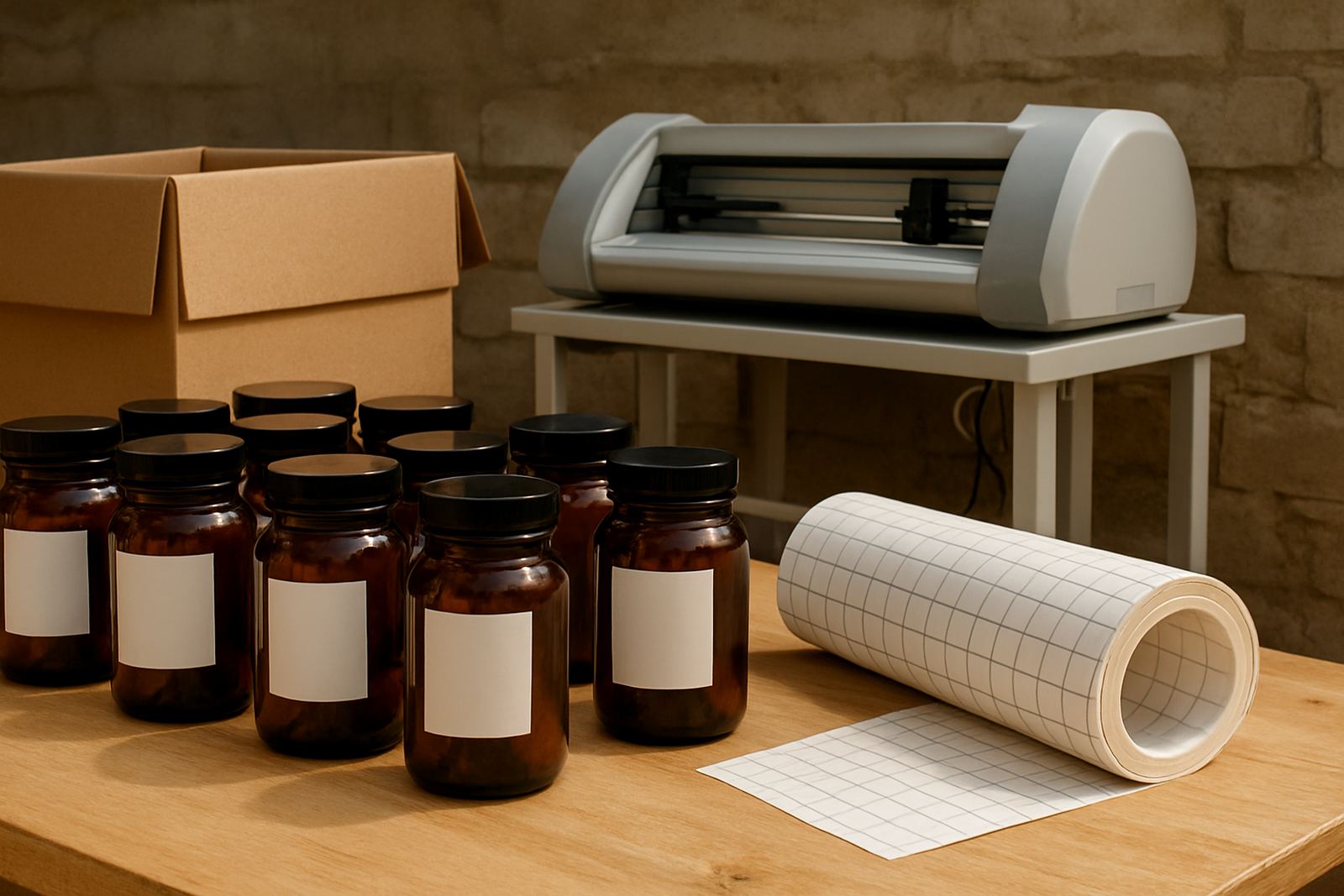
This project came from a small trader in Midrand who sells filled jars and scented candles at weekend markets around Johannesburg and Pretoria East. The customer needed a label set that looked consistent across different container sizes, gave the stall a more finished appearance, and could be applied in batches without slowing packing time.
The ask was practical. The labels had to read well from a short distance, stay neat on smooth glass and coated candle jars, and suit a mixed product range with size changes from item to item. The customer also wanted a finish that would suit indoor market stalls and covered pop-up spaces, where lights can make shiny surfaces harder to read.
We planned the job around fast handling and repeat use. That meant simple shapes, strong contrast, and cut sizes that would make sense when the seller was pricing new stock during a busy week. A small typo in planning notes, then corrected, reminded us to keep the pack easy to use not fussy.
Material Choice And Cut Specs
For the batch we used self-adhesive vinyl suitable for clean, smooth surfaces and frequent hand contact. The cut set included jar labels, candle front marks, batch stickers, and small product notes for scent or fill details. We kept the decal shapes plain so they would sit straight on curved containers and not lift on the edges too quickly.
- Vinyl type: self-adhesive gloss and matte mix for indoor market stock
- Largest label size: 90 mm x 60 mm
- Smallest label size: 35 mm x 18 mm
- Recommended surface: glass, coated card, and smooth painted lids
- Application method: dry apply with firm pressure and a clean cloth
- Use case: candles, jars, price dots, and stall signage extras
We also checked line thickness so the cutter could hold fine text without losing legibility. That matters on small items because a pretty label is no help if the scent name disappears when someone leans over the table at a noisy market.
Setup, Calibration, And Test Cuts
Before running the batch we carried out a simple machine check, blade calibration, and test cut on the same material used for the order. The aim was to keep edges clean and prevent tiny corner lifts, especially on the small text pieces. Midrand traders often work under time pressure, so we made sure the job could be repeated later with the same settings.
- Blade depth checked for clean release without scoring the backing too hard
- Cut pressure adjusted for thin text and medium-size label shapes
- Test squares and circles used to confirm corner lift was minimal
- Registration checked for repeat sets across the full batch
Because the seller packs stock at home and reloads for the market on Friday nights, we also looked at how the decals would separate from the backing sheet. The goal was fast sorting, less handling, and fewer errors when labeling jars in a hurry. The final cut path was tidy and there was very little waste.
Batch Supply For Market Stock
We supplied the cut decal batch ready for use, grouped by product type so the seller could work through stock in stages. The order covered the core jar and candle range, with spare pieces added for breakage or last minute pricing changes. This is useful for small sellers because market stock changes often, especially when a scent sells out or a jar size gets swapped.
The finished pieces were packed flat to avoid curling in transport from Kya Sand to Midrand. That is a small thing, but on a hot day or in humid coastal-style weather when stock sits in a car for hours, a flat pack saves a lot of trouble. Each set was kept separate for easier counting and reordering later if the seller needed more of the same layout.
- Cut decals supplied in grouped sets
- Spare labels included for stock losses and rework
- Packing kept flat for safer transport
- Sorted by product family for quick application
Timeline From Brief To Ready Stock
The full job took two weeks from first brief to ready-to-apply stock. Week one covered sizing, machine setup, test cuts, and a small sample review. Week two covered the full batch, finish check, and packing for collection. That schedule suited a small trader who was preparing for a weekend trading run and could not afford delays.
We kept communication direct and practical. Any changes to sizes were handled before the final cut so there was no waste and no confusion on the day. For a local seller, that kind of timing matters because a missed Friday pack can mean bare jars on Saturday morning and a lot of extra work before gates open.
Results On The Market Table
The finished decals gave the product range a cleaner, more organised look and made the jar and candle stock easier to price. The seller could label quickly, stack neatly, and keep the display looking consistent even when products moved around during the day. The difference was most visible on smaller items where handwritten marks can look messy from one batch to the next.
- Cleaner shelf and table presentation
- Faster stock prep before market day
- Better reading of scent and price details
- Less time spent relabelling damaged pieces
The client also found that the simple shapes made it easier to apply the decals without bubbles, which helped during busy setup times. For a side hustle or growing market business, that kind of saving is practical. It cuts the pressure on one person doing everything from packing to sales to cash-up.
What We Would Repeat For A Similar Job
For a similar Midrand market project, we would use the same approach: keep the design clear, confirm container sizes early, and test on the actual surface before the full run. That gives better control over fit and keeps the labels looking neat across mixed stock. We would also keep spare pieces in the batch because small traders often adjust stock just before trading.
If the seller expands into more scent lines or larger candle jars, we would plan a second size set rather than forcing one label to do too much. In South African weekend trading, flexibility helps a lot. It saves time, reduces waste, and makes it easier to stay ready for load-shedding shifts, transport delays, or a last minute rush before the market opens.
Key facts
| Project | Midrand market decal batch for jars and candles |
|---|---|
| Client type | Weekend market seller |
| Town | Midrand |
| Timeline | 2 weeks |
| Materials | Self-adhesive vinyl for indoor use |
| Services used | New Machine Setup, Blade Calibration, Material Testing, Cut Quality Troubleshooting, Workflow Help |