A Germiston brief for a one-off celebration run
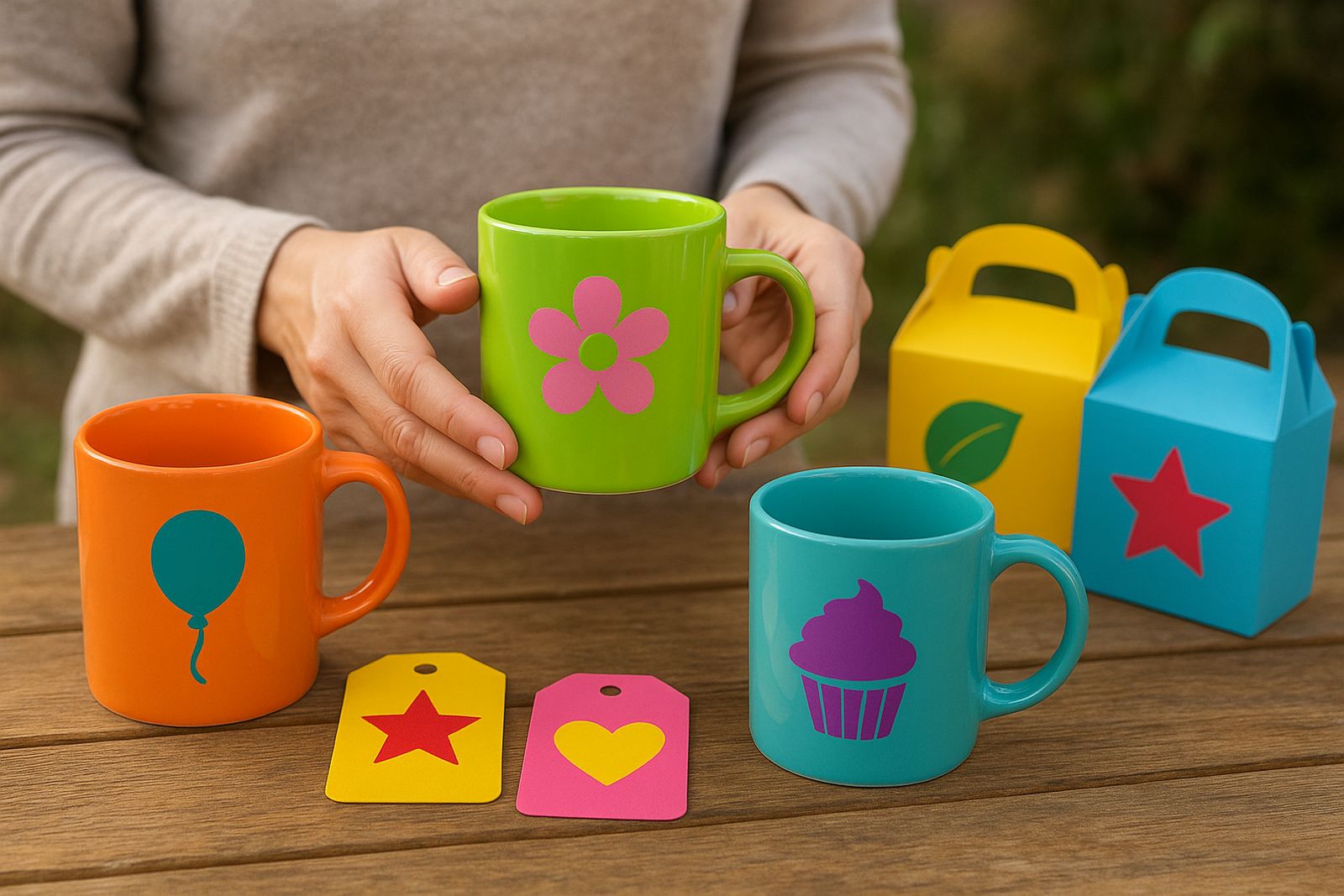
The client was a home-based crafter in Germiston preparing gift boxes for a family celebration and needed a simple way to make the boxes look polished, consistent and personal. The job included names, dates and small decorative vinyl details for lids and side panels, with enough flexibility to handle a few different box sizes in one batch.
The main brief was practical. The client wanted crisp lettering, reliable weeded cuts and a setup that could be used again for future birthdays, bridal showers and baby gifts. Because the work was happening from home, the equipment also had to fit on a small table, run quietly and not need a complicated install process.
- Project type: personalised gift boxes for a home crafter
- Town: Germiston, Gauteng
- Application: vinyl names, dates and decorative HTV elements
- Use case: small batch celebration boxes with repeatable layout
What had to work in a small home workshop
Space was tight, so the machine needed a compact footprint and a simple feeding path for standard craft vinyl and heat transfer material. The crafter also had to work around load-shedding, so the plan focused on short, efficient sessions rather than long production runs. That meant keeping the workflow straight forward: prepare the artwork, test the cut, check blade depth, then move into production only once the results were clean.
We also looked at the kind of finishing that gift box work needs. Thin script text can lift or tear if the blade is too deep, while thicker fonts can look clumsy if the pressure is set too high. The material had to stick well to board, card and coated surfaces without curling at the edges in Germiston heat.
- Constraint: limited table space and storage
- Constraint: short work windows because of power interruptions
- Constraint: mixed box materials with different surface finishes
- Constraint: need for clean edges on small text
Machine setup, blade calibration and material testing
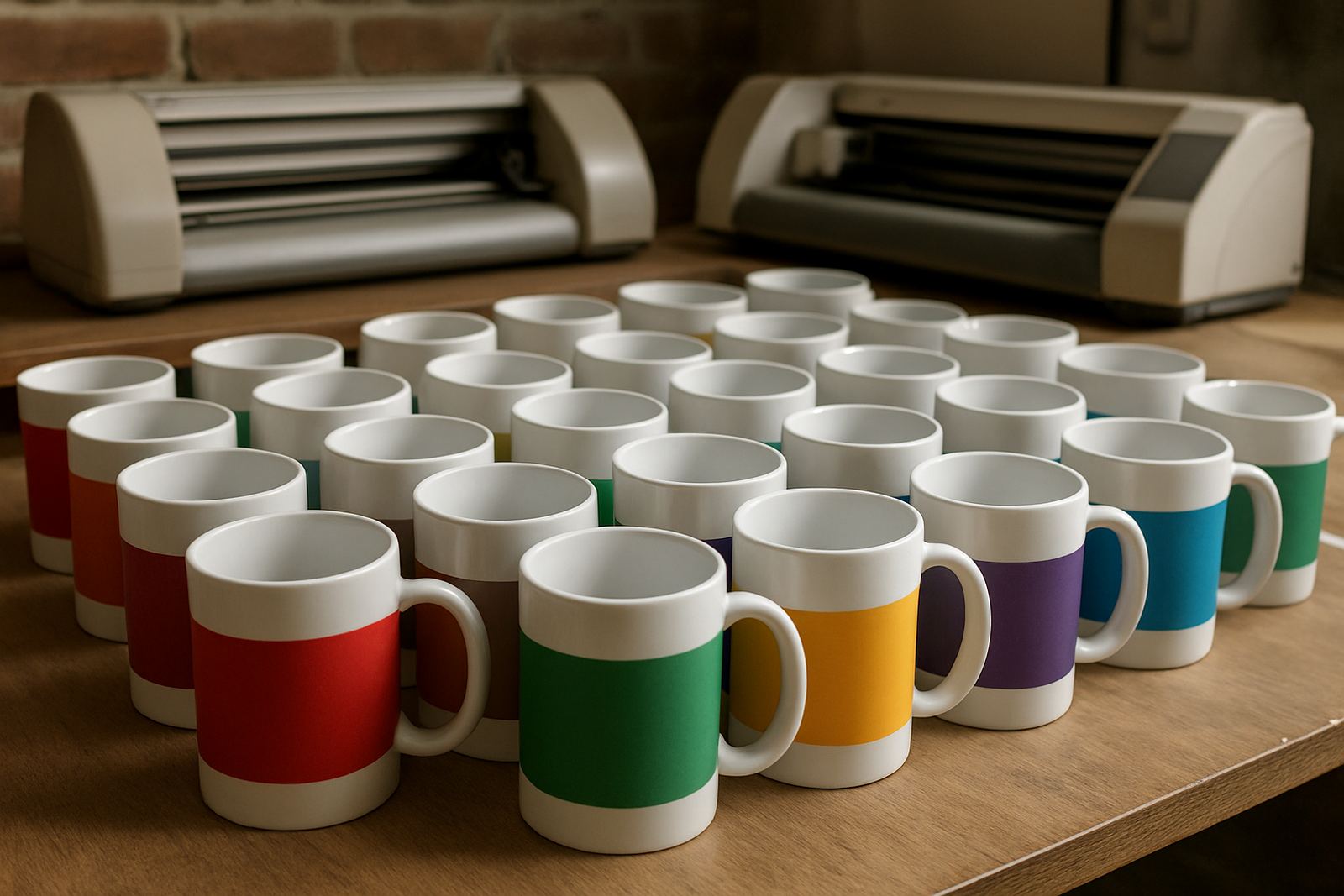
We supplied a desktop craft vinyl cutter suited to small batch hobby and side-line work, then handled the first setup with the client so they could get usable results from day one. The machine was calibrated for the specific blade, test cuts were run on both adhesive vinyl and HTV, and the software connection was checked on the client’s own computer before any production work started.
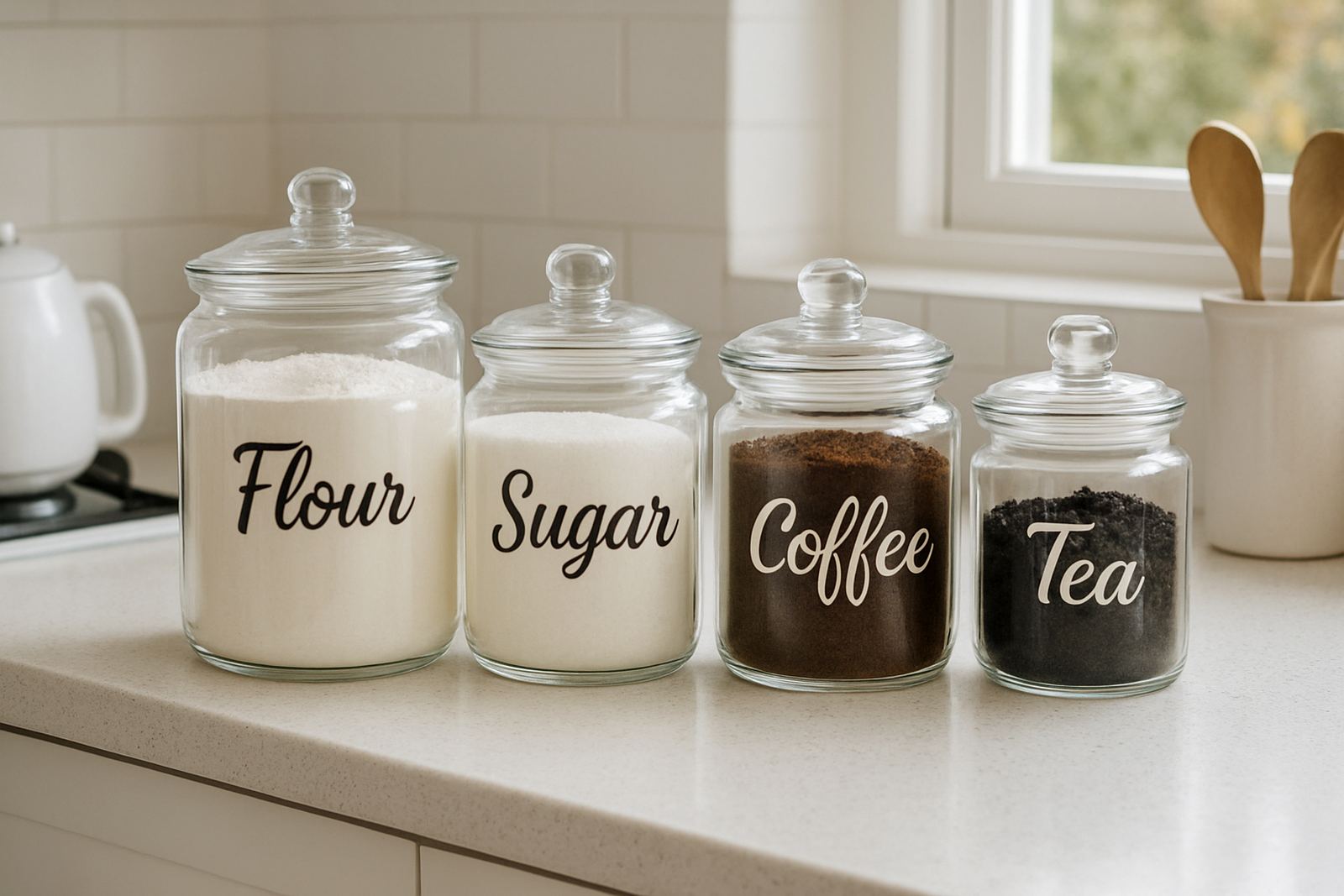
After that we moved through a few sample cuts on different gift box materials. Some boards take vinyl well with light pressure, while smoother wraps need a firmer clean cut and careful weeding. We tested name labels, a date strip and a small motif set at 25 mm, 40 mm and 60 mm wide to confirm that the fine detail held up. One small adjustment to the blade angle made a real difference, and it saved the client from wasting a whole roll of material, which matters when every sheet counts.
- Supplied: desktop craft cutter for home and small batch work
- Set up: software connection and test file load
- Calibrated: blade depth and cut pressure for vinyl and HTV
- Tested: lettering from 25 mm up to 60 mm wide
The workflow we used for the gift boxes
Once the test cuts were approved, we mapped a simple production flow that the client could repeat without confusion. Artwork was kept in small groups so names could be swapped out quickly, and each box label was cut in the same order to reduce mistakes. We also showed the client how to use a shallow offset for the tiny corner flourishes, which helped keep the edges neat on the final pieces.
The finished boxes needed to be handled carefully during application, especially on lids with a slight curve. For that reason we recommended a heat press check for the HTV components and a small hand tool set for applying the vinyl items by pressure. The result was a cleaner finish than using freehand methods only, and the client could repeat the same process for the rest of the order without starting over each time.
- Artwork grouped by name set for faster changes
- Small motif cuts kept separate from letter sets
- Vinyl applied with hand pressure on flat areas
- HTV checked with controlled heat on fabric tags and accents
Timeline and what came out of the project
The full project took two weeks from first contact to final production handover. Week one covered setup, calibration and material testing. Week two was used for workflow practice, cut quality troubleshooting and final output for the special celebration. The client left with a working process, not just a single result, which is what made the job worthwhile.
The outcome was a set of gift boxes that looked consistent across the batch, with clean corners, legible names and no obvious lift at the edges. The crafter could produce more boxes later using the same settings, which reduced guesswork and kept wastage low. For a small home business, that consistency is often more valuable than doing one perfect box, because the next order usually comes with a different name list and a tighter deadline.
- Timeline: 2 weeks total
- Week 1: setup, calibration and testing
- Week 2: workflow help and production support
- Result: repeatable process with lower material waste
Support after the first batch
After the first set of boxes was completed, the client needed a few practical touch-ups. We helped with replacement parts advice, then followed up with remote support on software settings and cut quality checks. That is often the part that makes the difference for a home crafter, because the job is rarely finished after the first run. There is always another event, another wording style or a different type of card stock.
If we were to do the project again, we would keep the same approach: start with test pieces, confirm the final sizes before cutting full sheets, and keep a simple reference sheet for blade depth and pressure. We would also recommend extra time for material testing if the boxes are being made in humid weather, since some adhesive backings behave differently in summer. A few minutes spent up front can save an hour later on, and that is true whether the order is for ten boxes or fifty.
- Support included remote follow-up and setup checks
- Advice given for future replacement parts
- Best next step: keep a settings sheet for each material
- Repeatable method ready for future celebration orders
Key facts
| Client type | Home crafter in Germiston |
|---|---|
| Project | Personalised gift boxes for a special celebration |
| Equipment supplied | Desktop craft vinyl cutter |
| Materials | Adhesive vinyl and HTV |
| Timeline | 2 weeks |
| Support included | Setup, calibration, testing, workflow help, remote support |